


While it got off to a rough start, with some of the lowest pre-order prices on singles we’ve ever seen, Star Trek is quickly proving itself a powerful Magic set now that it’s out in the wild. It turns out a lot of the new cards here, from the uncommons all the way up to the mythics, are playable, and pretty much every format has been impacted by the set as a result.
As is often the case, Standard is where most of these new MTG Star Trek cards are seeing play, with existing strategies benefiting from the boons they bring. Though you likely saw some of these playables coming, others are truly surprising, especially with how fast constructed Magic is in 2026.
Georgiou, Terran Emperor MTG
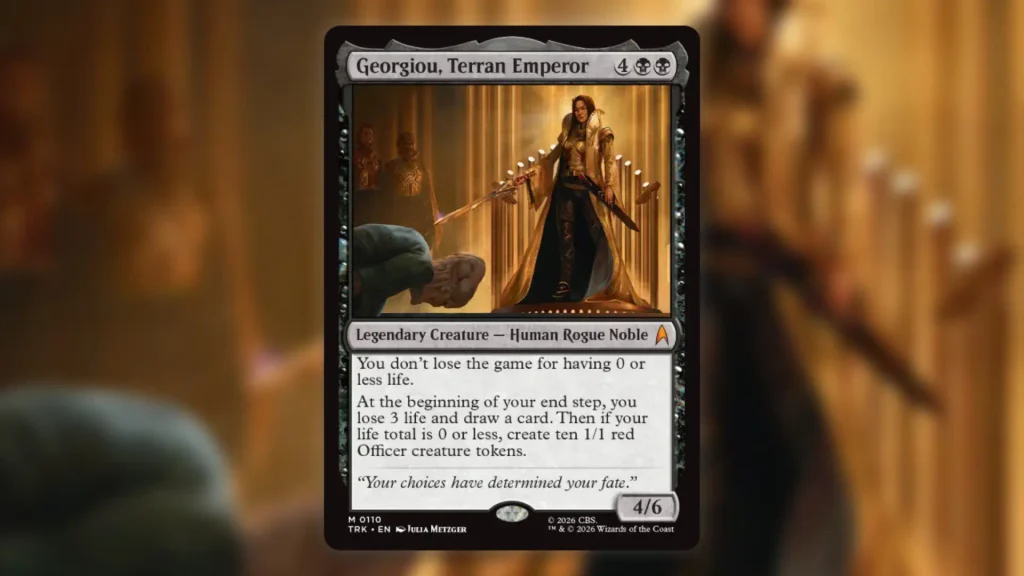
While Georgiou, Terran Emperor certainly looked like a powerful Commander card when it was first revealed, few would’ve expected it to see serious play in Standard. That’s exactly what’s happening right now, however, as the card has become a solid staple in Dimir Uldaros lists in the format.
Thanks to the deck’s core cards, Superior Spider-Man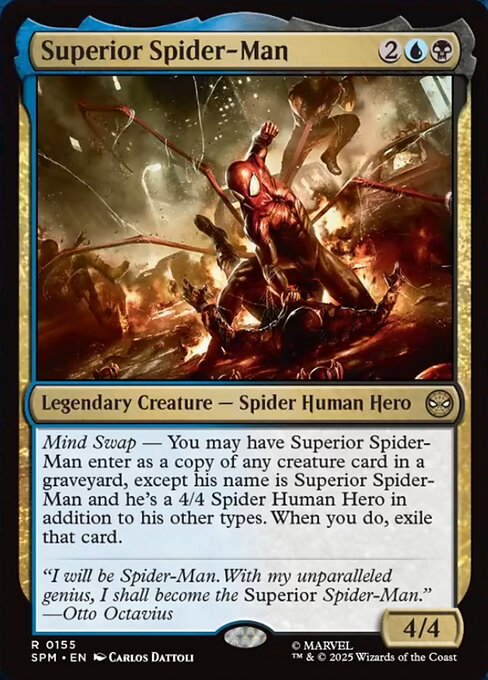 Superior Spider-ManMind Swap — You may have Superior Spider-Man enter as a copy of any creature card in a graveyard, except his name is Superior Spider-Man and he's a 4/4 Spider Human Hero in addition to his other types. When you do, exile that card. and Uldaros Theorix
 Uldaros TheorixFlying
When Uldaros Theorix enters, if you cast him, exile up to one target nonland card of each card type from your graveyard. Copy those cards. You may cast any number of spells with total mana value 6 or less from among the copies without paying their mana costs. (Permanent spells cast this way become tokens.), it’s trivial to get Georgiou into play without the tempo loss that casting a six-drop usually brings. This heavily punishes decks with little to no removal, like Mono-Green Landfall, since winning with Georgiou in play is extremely difficult.
What Georgiou excels at is winning the long game, both by feeding you cards and keeping you alive. In grindy matchups, you can take advantage of that token-making ability, too, especially with M.O.D.O.K. M.O.D.O.K.Flying, lifelink
Mental Organism — Pay 3 life: M.O.D.O.K. connives. Activate only during your turn. (Draw a card, then discard a card. If you discarded a nonland card, put a +1/+1 counter on this creature.)
Designed Only for Killing — Creatures your opponents control get -1/-1. around to manually spend your way down to zero. Georgiou gives Dimir Uldaros a new win condition that’s better in a vacuum than Doomsday Excruciator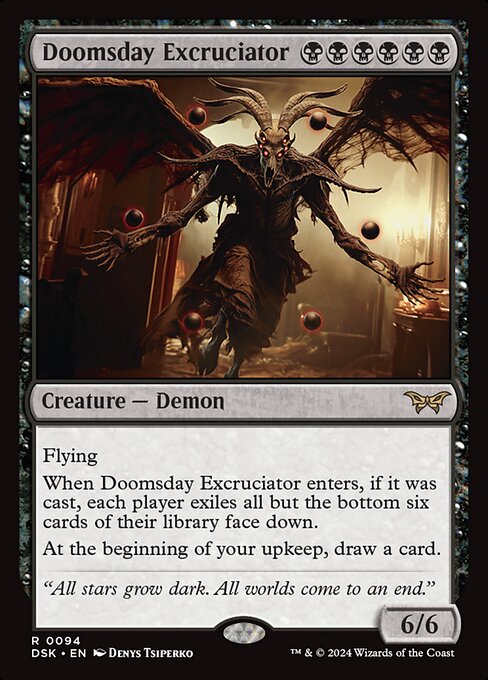 Doomsday ExcruciatorFlying
When this creature enters, if it was cast, each player exiles all but the bottom six cards of their library face down.
At the beginning of your upkeep, draw a card., which is a big boon to the deck’s playability.
Notably, Georgiou is also seeing a fair amount of play in Dimir Control for the same reason, serving as one of only two creatures in the deck alongside Emeritus of Ideation Emeritus of IdeationFlying, ward {2}
This creature enters prepared.
Whenever this creature attacks, you may exile eight cards from your graveyard. If you do, this creature becomes prepared.. Once opponents sideboard out their removal against Control, Georgiou’s typical risk factor is pretty much eliminated, making it an ideal finisher.
Salt Vampire MTG
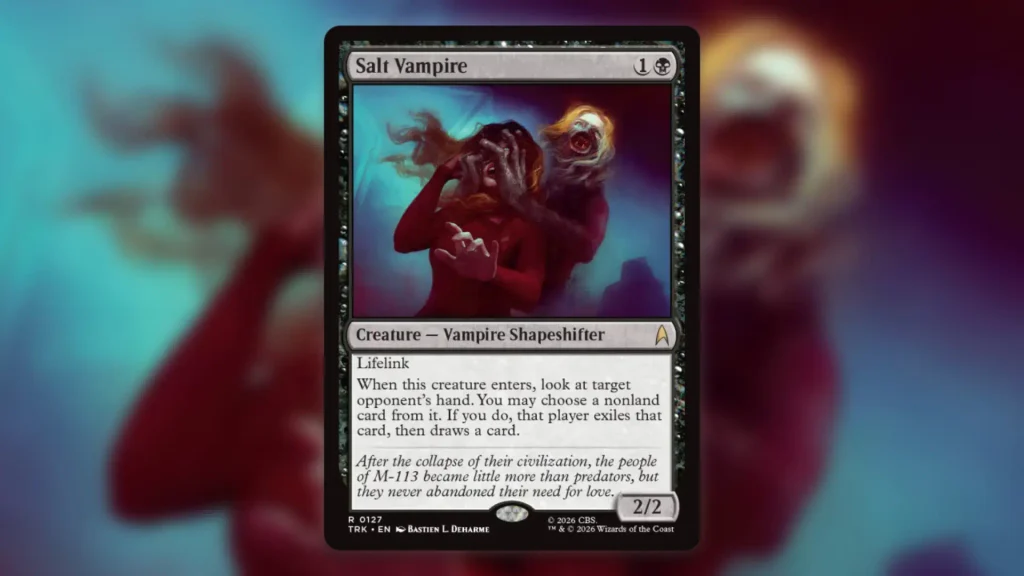
Many in the MTG community, ourselves included, had Salt Vampire pegged for constructed glory from day one. Given how good Thought-Knot Seer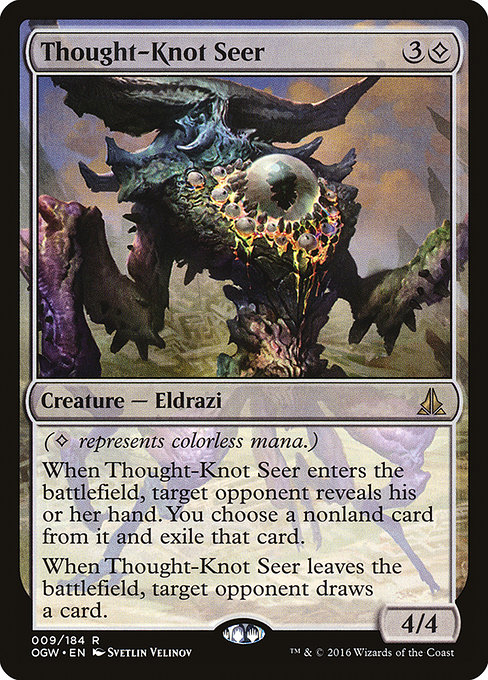 Thought-Knot Seer({C} represents colorless mana.)
When this creature enters, target opponent reveals their hand. You choose a nonland card from it and exile that card.
When this creature leaves the battlefield, target opponent draws a card. was in its heyday, getting pretty much the same effect for half the mana was enticing, to say the least.
Now that it’s here, Salt Vampire is doing a ton of work in Standard Dimir Midrange lists, where it’s a great piece of disruption that can help keep your opponent’s board clear by dealing with threats before they even enter play.
It’s also a fantastic creature to Ninjutsu back into your hand with Kaito, Bane of Nightmares Kaito, Bane of NightmaresNinjutsu {1}{U}{B} ({1}{U}{B}, Return an unblocked attacker you control to hand: Put this card onto the battlefield from your hand tapped and attacking.)
During your turn, as long as Kaito has one or more loyalty counters on him, he's a 3/4 Ninja creature and has hexproof.
+1: You get an emblem with "Ninjas you control get +1/+1."
0: Surveil 2. Then draw a card for each opponent who lost life this turn.
−2: Tap target creature. Put two stun counters on it., since you can then take another bite out of your opponent’s hand next turn.
Keeping your opponent’s creature count low this way is ideal for Dimir Midrange, which relies on dealing damage directly to power Enduring Curiosity Enduring CuriosityFlash
Whenever a creature you control deals combat damage to a player, draw a card.
When Enduring Curiosity dies, if it was a creature, return it to the battlefield under its owner's control. It's an enchantment. (It's not a creature.). That Salt Vampire has Lifelink is also highly relevant for the deck, as it allows it to race more effectively in the mirror, or against aggressive brews like Boros Pixie.
In addition to its Dimir Midrange play, Salt Vampire is probably seeing the most diverse Standard use of any MTG Star Trek card. A wide range of strategies, from Jund Sacrifice to Dimir Uldaros, are running the card in good numbers. It’s even popping up in Orzhov Lifegain, as a generically strong Lifelink threat that slots nicely into the deck’s low curve.
Captain Jean-Luc Picard MTG
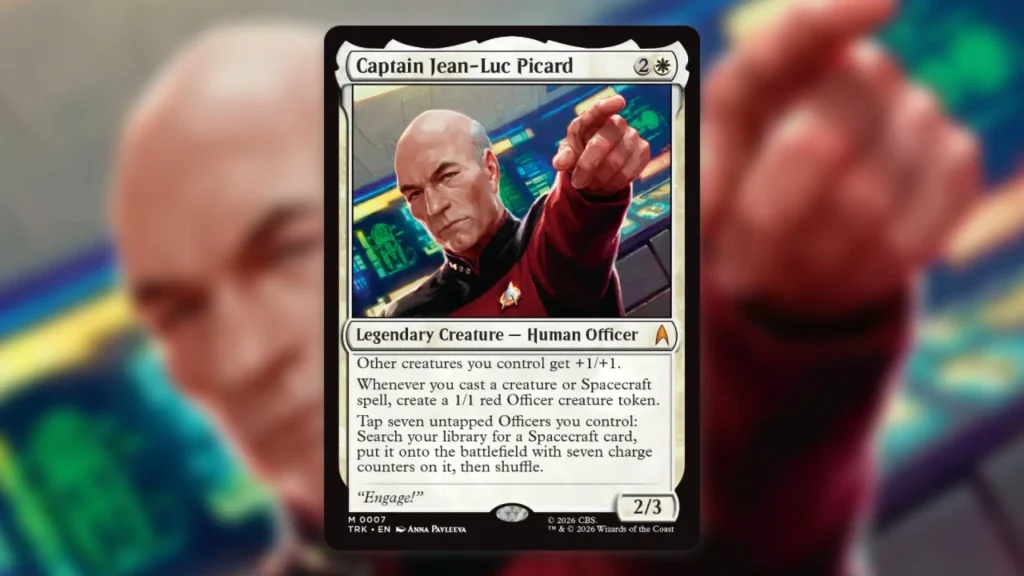
Selesnya Michelangelo is a relatively recent breakout deck in Standard, and Captain Jean-Luc Picard has quickly become a core part of it. While this deck is mainly about going tall with counters from the titular Turtle and such, Picard opens up an alternate, go-wide avenue.
With full playsets of Llanowar Elves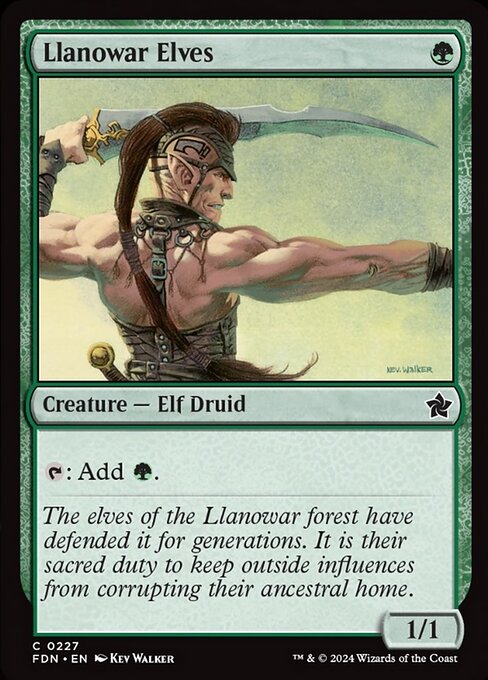 Llanowar Elves{T}: Add {G}., Gene Pollinator
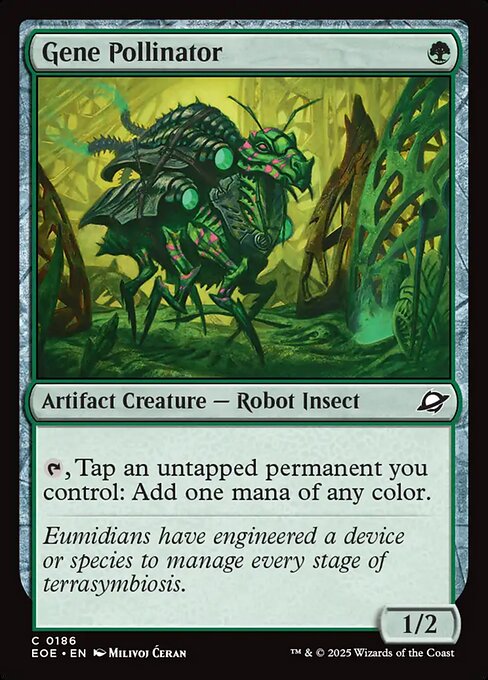 Gene Pollinator{T}, Tap an untapped permanent you control: Add one mana of any color., and Pawpatch Recruit
 Pawpatch RecruitOffspring {2} (You may pay an additional {2} as you cast this spell. If you do, when this creature enters, create a 1/1 token copy of it.)
Trample
Whenever a creature you control becomes the target of a spell or ability an opponent controls, put a +1/+1 counter on target creature you control other than that creature. in the deck, it’s trivial to trigger Picard and get an Officer army going. Picard also makes these one-drops, which tend to be low-impact late in the game, more substantial stats-wise, letting them get some reasonable trades in.
Picard’s easy token generation also pairs perfectly with the deck’s big swing cards, specifically Ouroboroid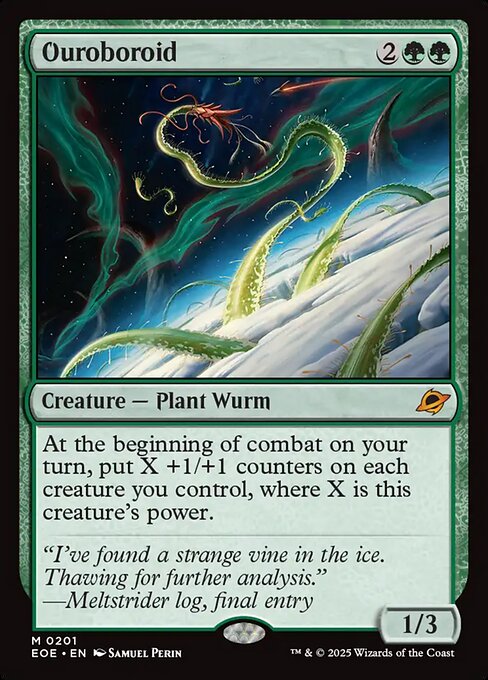 OuroboroidAt the beginning of combat on your turn, put X +1/+1 counters on each creature you control, where X is this creature's power. and Practiced Offense
 Practiced OffensePut a +1/+1 counter on each creature target player controls. Target creature gains your choice of double strike or lifelink until end of turn.
Flashback {1}{W} (You may cast this card from your graveyard for its flashback cost. Then exile it.). Not only does it ensure you have a ton of bodies to benefit from these buffs, but it also buffs Ouroboroid, netting you a bigger counter payoff right out of the gate.
On top of its solid use in Selesnya Michelangelo, Picard is starting to see testing in Boros Pixie as well, as another way to apply pressure alongside fellow Captain James T. Kirk Captain James T. KirkWhenever Captain Kirk enters or attacks, choose one. If you have no cards in hand, choose one or more instead.
• Discard a card, then draw a card.
• Create a 1/1 red Officer creature token.
• Creatures you control get +1/+0 until end of turn.. While no decks are really making use of that second Spacecraft ability yet, with how well Deep Space 9 Deep Space 9When Deep Space 9 enters and at the beginning of your upkeep, exile the top four cards of your library. Put all permanent cards exiled this way onto the battlefield.
Station (Tap another creature you control: Put charge counters equal to its power on this Spacecraft. Station only as a sorcery.)
9+ | Creatures you control get +3/+3. is doing at the moment, it may not be long before the two come together in the format.
Q, Stacking the Deck MTG
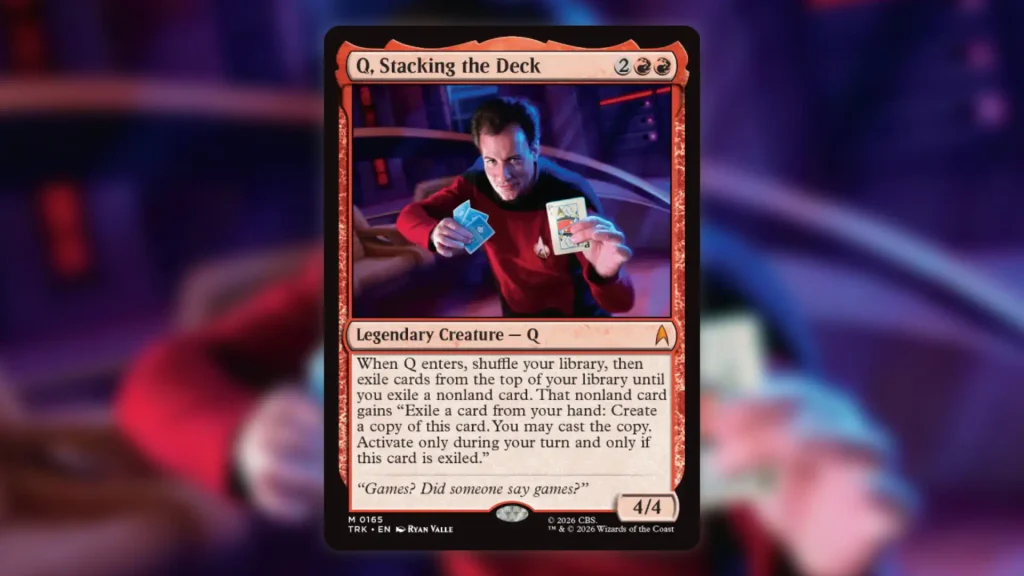
Rounding out our look at Star Trek Standard contenders, we have a literal wildcard in the form of Q, Stacking the Deck. It turns out novelty Commander brews aren’t all this wacky red legend has to offer, as it’s also established itself as a tech piece in the powerful Jund Sacrifice decks in the format.
In this deck, Q essentially serves as a grindy late-game value engine, giving the deck more play against Control and the like. Most of the cards you can hit with Q are great to cast repeatedly, particularly Biotech Specialist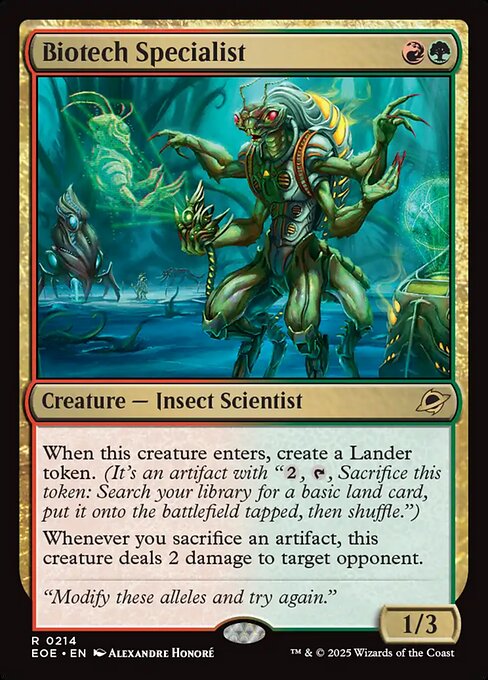 Biotech SpecialistWhen this creature enters, create a Lander token. (It's an artifact with "{2}, {T}, Sacrifice this token: Search your library for a basic land card, put it onto the battlefield tapped, then shuffle.")
Whenever you sacrifice an artifact, this creature deals 2 damage to target opponent. and Rottenmouth Viper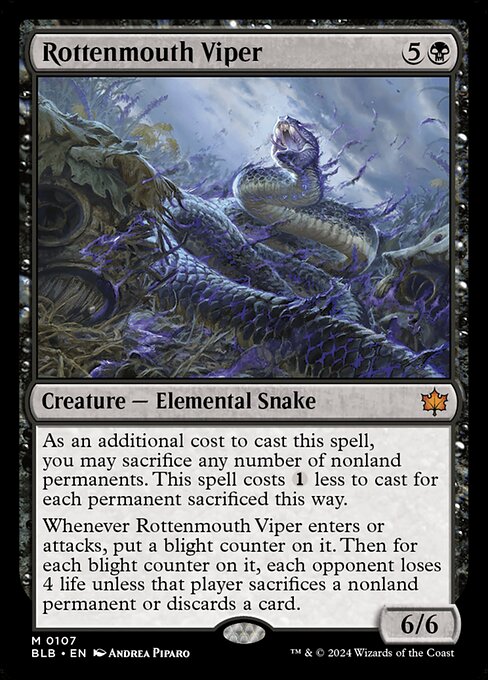 Rottenmouth ViperAs an additional cost to cast this spell, you may sacrifice any number of nonland permanents. This spell costs {1} less to cast for each permanent sacrificed this way.
Whenever this creature enters or attacks, put a blight counter on it. Then for each blight counter on it, each opponent loses 4 life unless that player sacrifices a nonland permanent of their choice or discards a card.. Even just hitting interaction like Torch the Tower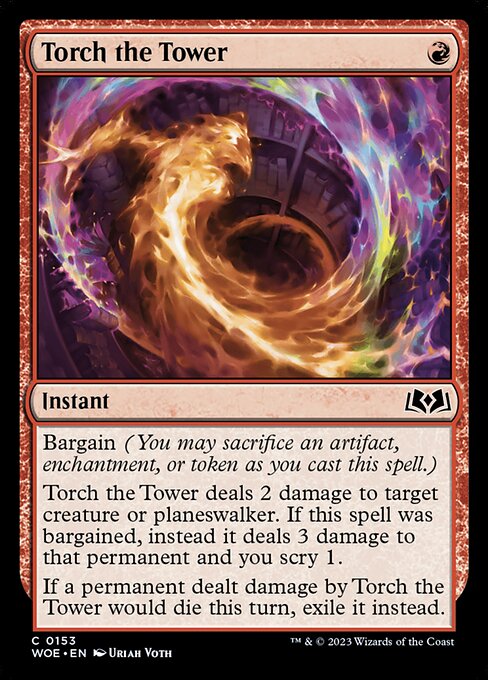 Torch the TowerBargain (You may sacrifice an artifact, enchantment, or token as you cast this spell.)
Torch the Tower deals 2 damage to target creature or planeswalker. If this spell was bargained, instead it deals 3 damage to that permanent and you scry 1.
If a permanent dealt damage by Torch the Tower would die this turn, exile it instead. is great in the late game, however, as you’d rather have that than a land in most cases.
What makes Q particularly nice here is its inevitability: even if it gets removed, the cast ability is tied to the card it exiled, so there’s no turning that off. It’s also easily accessible even as a one-of, since Jund Sacrifice already runs a full playset of Lively Dirge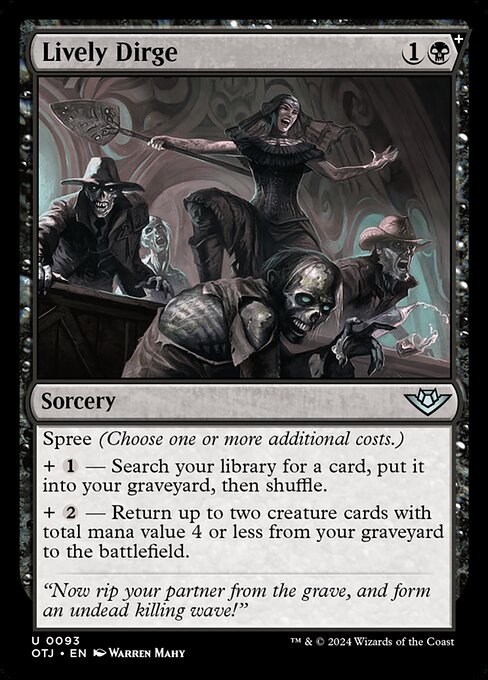 Lively DirgeSpree (Choose one or more additional costs.)
+ {1} — Search your library for a card, put it into your graveyard, then shuffle.
+ {2} — Return up to two creature cards with total mana value 4 or less from your graveyard to the battlefield., which can get it into play from the deck for just five mana.
While Jund Sacrifice is the only real deck running Q so far, I think that could easily change soon. Its success here proves it’s a serious value engine under that whimsical facade, which could earn it slots in all manner of red decks before long.
Stick with us here at mtgrocks.com: the best site for Magic: The Gathering coverage. Be sure to check out our deckbuilder for your next big brew, and our brand new MTG Rocks Podcast! MTGRocks’ editorial and corrections policy lets us create content you can trust.