



While Magic: The Gathering has changed in countless ways since its inception in 1993, some key elements have survived relatively unscathed. Perhaps most impressive among these are the games core turn-taking rules, which, for the most part, function the same way now as they did back then. Players today still move through the different phases and steps in the good ol’ fashioned way.
Magic is nothing if not a game about change and evolution, however, and eventually that foundation was bound to get caught in the crossfire. Over the past few sets, Wizards of the Coast has been subtly reducing the role of the upkeep step, a feature of MTG turns since the very beginning. While this doesn’t sound like a big deal on the surface, it has wide-ranging implications, particularly at the competitive level.
The Quiet Reduction Of The MTG Upkeep Step
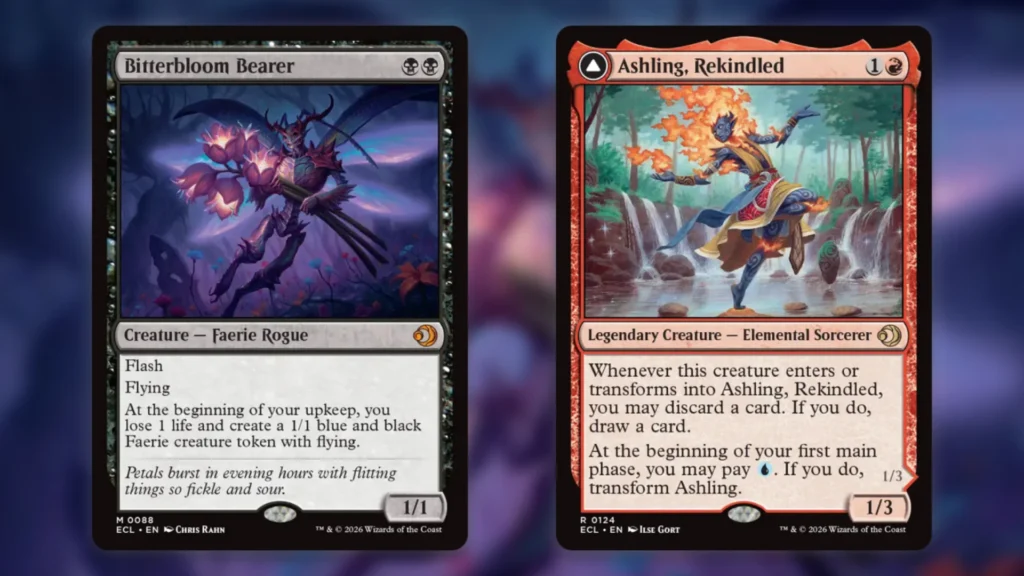
The scaling-down of the MTG upkeep step hasn’t been officially announced. It is, however, very much visible if you know where to look. In a lot of recent card designs, effects that would previously have triggered “at the beginning of your upkeep” now trigger “at the beginning of your first main phase” instead. We really started seeing an increase in these effects in Modern Horizons 3, with cards like Static Prison and Ripples of Undeath. Since then, they’ve been a regular fixture in each new Standard set.
Interestingly, however, it appears Wizards hasn’t adopted this new approach wholesale just yet. New cards with upkeep triggers are still being printed, alongside their shiny new first main phase cousins. You can see this even in next year’s Lorwyn Eclipsed, with Bitterbloom Bearer and Ashling, Rekindled. This means that, for now at least, upkeeps aren’t totally gone. Instead, it could be some kind of A/B testing to see which style players prefer.
Either way, these changes are far from incidental. In Mark Rosewater’s recent Blogatog posts, he makes it clear that he, and Magic R&D at large, prefer using first main phase triggers to upkeep triggers. He even notes that, if they were designing Magic from scratch, they wouldn’t include the upkeep step at all. The shift we’re seeing towards first main phase triggers in sets isn’t happenstance, then. Rather, it’s this design philosophy being implemented.
While it appears we’ll get to enjoy the delights of the upkeep step a little while longer, in light of recent developments, we all may need to adjust to a world without upkeeps before long.
A Risky Move
The implications of diminishing upkeep step triggers in MTG are subtle, but still highly relevant. At a base level, it changes the order of operations for your turn. With upkeep triggers, players are forced to resolve their effects before they’ve drawn their card for the turn. In some cases, this makes little difference. With cards like the recent Ultimate Green Goblin, however, it pushes you to make a decision with imperfect information. In this case, you need to choose a card to discard before you know what you’re going to draw next.
Cards like this create a tricky, skill-testing dynamic. You need to really know your deck, and your chances of drawing a particular card, to get the most out of it. If Ultimate Green Goblin’s trigger was shifted to first main phase, however, that element would disappear. You’d have full knowledge of your hand going in, which would make the decision on what to discard much easier. With Wizards moving away from upkeeps, there’s an unfortunate risk that effects like this, which elevate Magic’s skill ceiling, become a thing of the past.
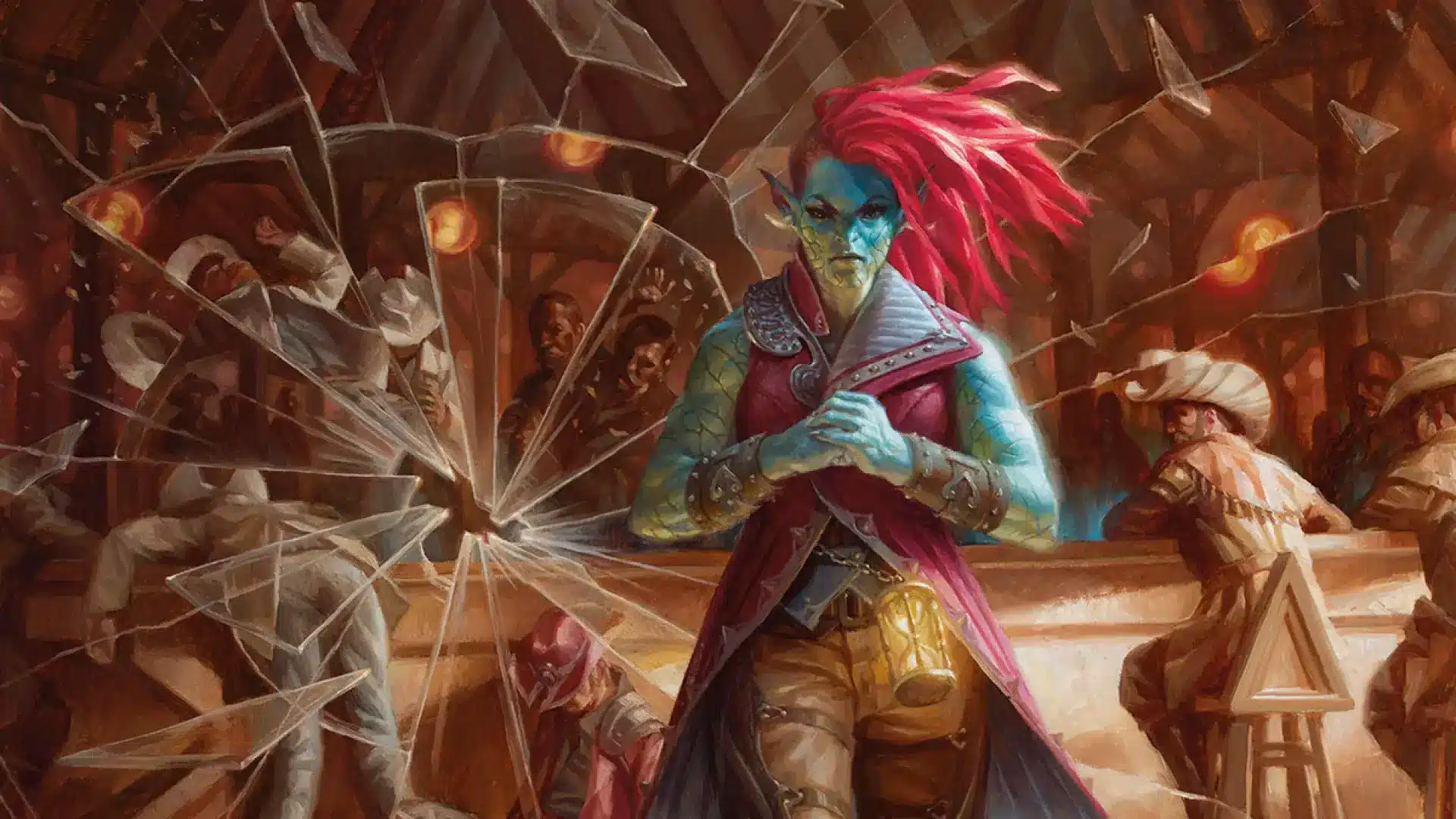
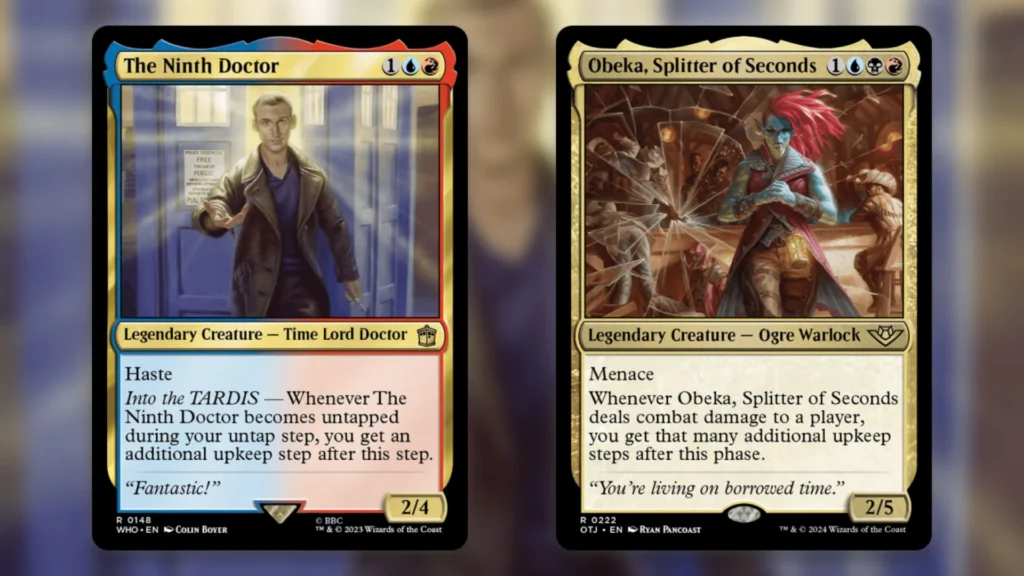
Getting rid of upkeep effects has some other interesting downsides, too, notably affecting Commanders in the “Upkeeps Matter” genre. Admittedly, there are only two of these in the game, The Ninth Doctor and Obeka, Splitter of Seconds. The latter is reasonably popular, however, and stirred up a lot of financial attention around the release of Thunder Junction. If upkeep effects are phased out of the game entirely, this pair will effectively cease to get new support. It’s not the end of the world, but it’s unfortunate to see an interesting Commander archetype get its wings clipped.
Every Cloud
On the other side of the coin, the move away from upkeep step triggers could have major benefits for MTG. For starters, it would remove a potential stumbling block for new players. While the other steps in the beginning phase, untap and draw, are intuitive due to having set actions attached, the upkeep is much more nebulous.
Because of this, missed upkeep triggers are an extremely common phenomenon in Magic. Even among high-level players, memory aids like dice on top of decks are often used to ensure a trigger isn’t missed. According to Rosewater, this is likely down to players rushing through the start of their turn to draw their card. This issue is, almost certainly, much worse for new players. Ditching upkeep triggers, while unfortunate for the enfranchised, is definitely beneficial to that audience.
There’s also an argument that giving players more information before their triggers actually leads to more skill-intensive gameplay. It’s an argument Rosewater has made several times on Blogatog recently, and there’s definitely some logic to it. With more information to work with, players can make better decisions, which in turn should lead to better games. Many in the comments disagree with this assertion, but it does have some weight to it.
In any case, it certainly appears that upkeep effects are, if not quite on the way out, on the way down at least. While it’s sad to see such a long-standing part of the game fade away, hopefully Wizards can fill the void with something better afterwards.
Stick with us here at mtgrocks.com: the best site for Magic: The Gathering coverage. Be sure to check out our deckbuilder for your next big brew!