


For many players, becoming immersed in a new Constructed format can be a daunting task. Finding a deck to play that is fits your liking can be tough, and finding one that also doesn’t break the bank can be even harder. In a format like Pioneer, most of the top decks in the format are pretty pricey. Paying for the necessary dual Lands for Rakdos midrange or Izzet Phoenix can be a struggle, and some individual cards like
Sheoldred, the Apocalypse
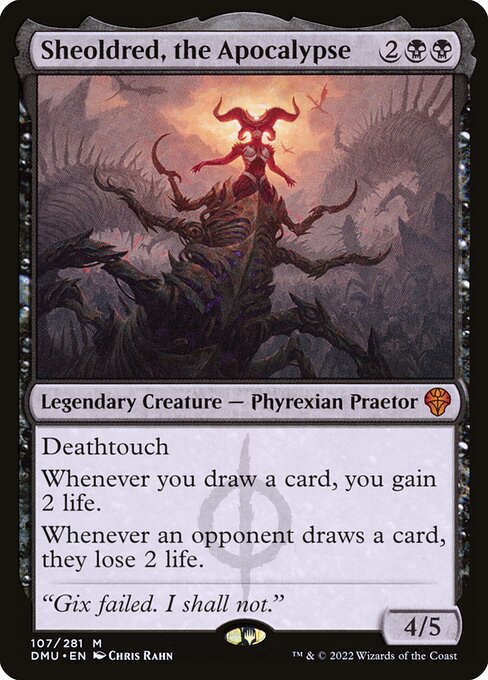 Sheoldred, the Apocalypse
Deathtouch
Sheoldred, the Apocalypse
Deathtouch
Whenever you draw a card, you gain 2 life.
Whenever an opponent draws a card, they lose 2 life.
cost a ton by themselves.
While there are a couple more budget-friendly options, such as mono-red aggro or mono-blue Spirits, most of them are aggressively slanted, which isn’t everyone’s cup of tea. In a recent Magic Online Pioneer Challenge, however, a mono-white deck built around a plethora of non-Creature Artifacts and
Metalwork Colossus
 Metalwork Colossus
This spell costs {X} less to cast, where X is the total mana value of noncreature artifacts you control.
Metalwork Colossus
This spell costs {X} less to cast, where X is the total mana value of noncreature artifacts you control.
Sacrifice two artifacts: Return this card from your graveyard to your hand.
got 17th, and the deck is extremely budget-friendly. In paper, the deck is under $100, which is quite nice for a Pioneer deck. For anyone looking to get into Magic Online, the deck is UNDER NINE TICKETS ($9 online) making it extremely easy to build.
Unlike decks like mono-red aggro and mono-blue Spirits, the archetype also has a great Rakdos midrange matchup, making it perfect for anyone sick of losing to Sheoldred. This strategy is certainly unique, so let’s dive right in and take a look at what makes this archetype so intriguing.
Cheap Artifacts

In order to maximize Metalwork Colossus and make it a reliable card to cast, you need to play a decent number of non-Creature Artifacts during the early turns of the game. You also don’t want to fall too far behind, especially against aggressive decks. Both
Portable Hole
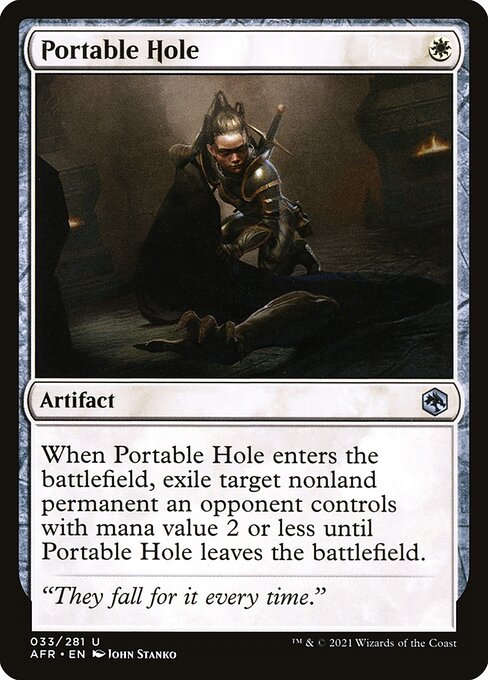 Portable Hole
When this artifact enters, exile target nonland permanent an opponent controls with mana value 2 or less until this artifact leaves the battlefield.
and
Glass Casket
Portable Hole
When this artifact enters, exile target nonland permanent an opponent controls with mana value 2 or less until this artifact leaves the battlefield.
and
Glass Casket
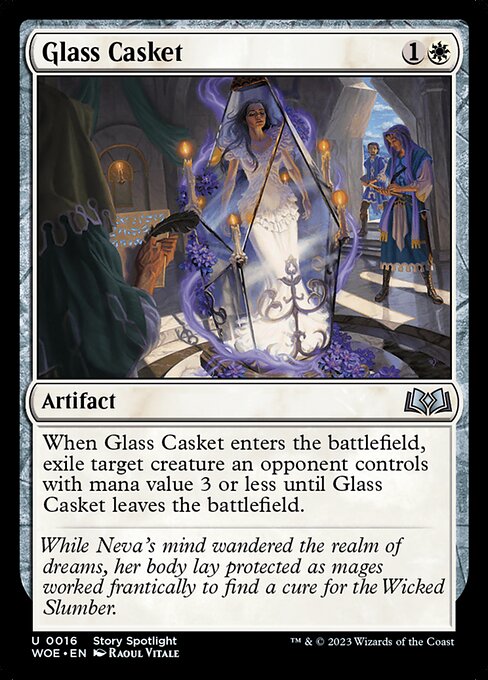 Glass Casket
When this artifact enters, exile target creature an opponent controls with mana value 3 or less until this artifact leaves the battlefield.
fill this role quite nicely. To help advance your mana development, this deck also makes use of a full playset of
Renegade Map
Glass Casket
When this artifact enters, exile target creature an opponent controls with mana value 3 or less until this artifact leaves the battlefield.
fill this role quite nicely. To help advance your mana development, this deck also makes use of a full playset of
Renegade Map
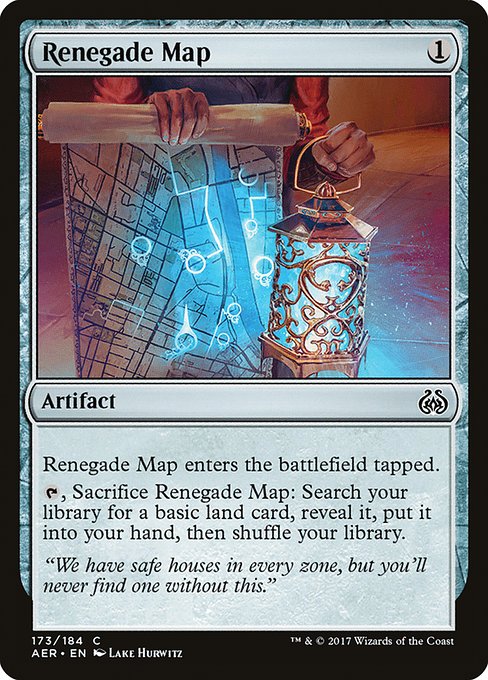 Renegade Map
This artifact enters tapped.
Renegade Map
This artifact enters tapped.
{T}, Sacrifice this artifact: Search your library for a basic land card, reveal it, put it into your hand, then shuffle.
. In the early game, you can sacrifice Renegade Map to search for Lands as necessary. Later on, you can always sacrifice excess copies to return Metalwork Colossus from your graveyard to your hand if it dies.
This ability of Metalwork Colossus is what gives the deck inevitability against decks with removal that doesn’t exile. Cards like
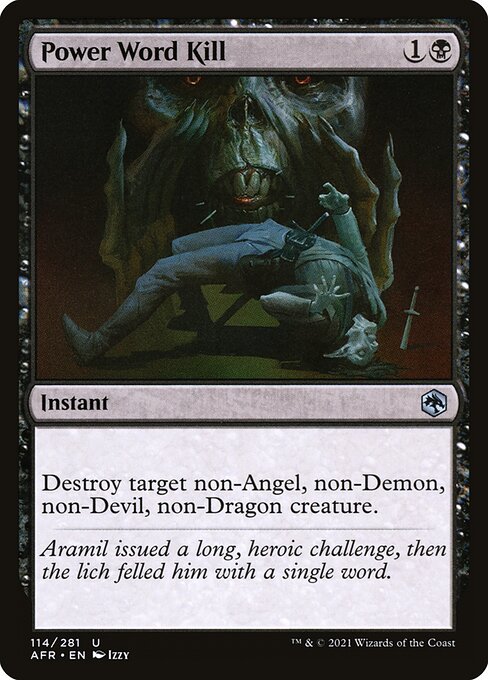
Power Word Kill
 Power Word Kill
Destroy target non-Angel, non-Demon, non-Devil, non-Dragon creature.
out of Rakdos or various Counterspells out of Azorius control won’t keep the Metalwork Colossus train stopped for long. To help ensure that you have a consistent flow of Artifacts to sacrifice, this deck also makes use of cards like
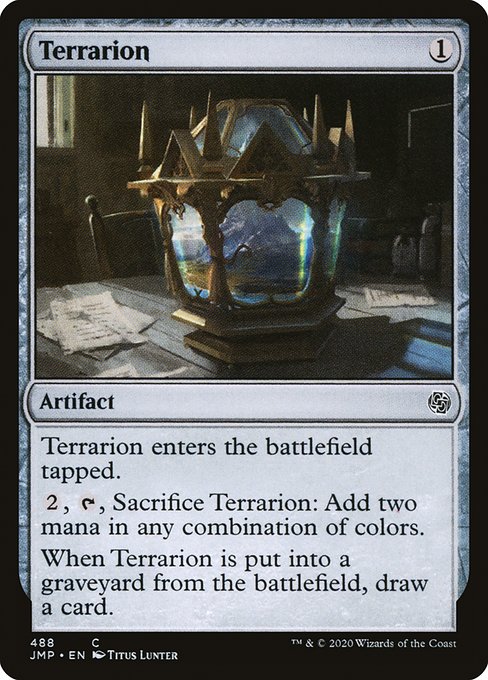
Terrarion
Power Word Kill
Destroy target non-Angel, non-Demon, non-Devil, non-Dragon creature.
out of Rakdos or various Counterspells out of Azorius control won’t keep the Metalwork Colossus train stopped for long. To help ensure that you have a consistent flow of Artifacts to sacrifice, this deck also makes use of cards like
Terrarion
 Terrarion
This artifact enters tapped.
Terrarion
This artifact enters tapped.
{2}, {T}, Sacrifice this artifact: Add two mana in any combination of colors.
When this artifact is put into a graveyard from the battlefield, draw a card.
. Terrarion helps make Metalwork Colossus cost less mana, then can be sacrificed later as necessary and drawing you a card to replace it at virtually no cost.
Finally, in order to make sure Metalwork Colossus can get through a sea of blockers, this deck plays
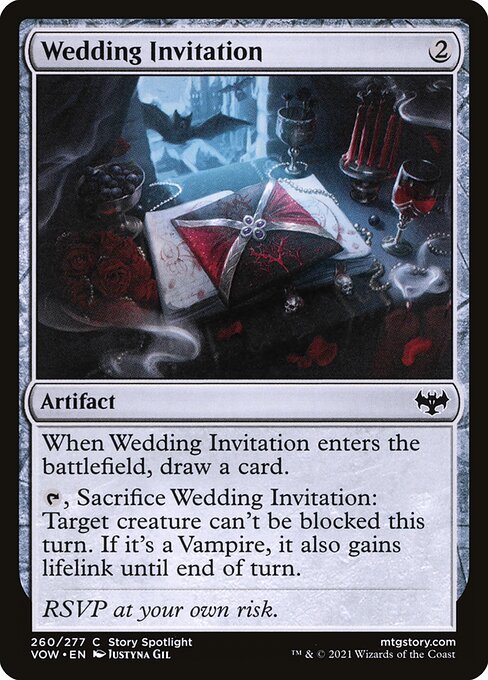
Wedding Invitation
 Wedding Invitation
When this artifact enters, draw a card.
Wedding Invitation
When this artifact enters, draw a card.
{T}, Sacrifice this artifact: Target creature can't be blocked this turn. If it's a Vampire, it also gains lifelink until end of turn.
and
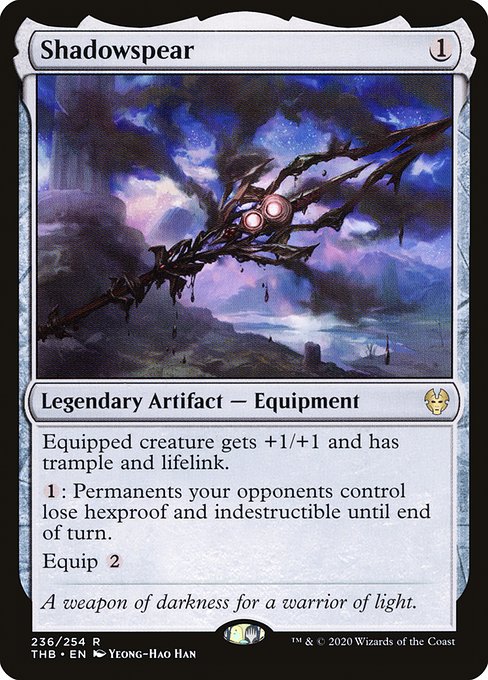
Shadowspear
 Shadowspear
Equipped creature gets +1/+1 and has trample and lifelink.
Shadowspear
Equipped creature gets +1/+1 and has trample and lifelink.
{1}: Permanents your opponents control lose hexproof and indestructible until end of turn.
Equip {2}
. While there’s only one copy of Shadowspear and two copies of Wedding Invitation, there are multiple copies of
Inventor’s Fair
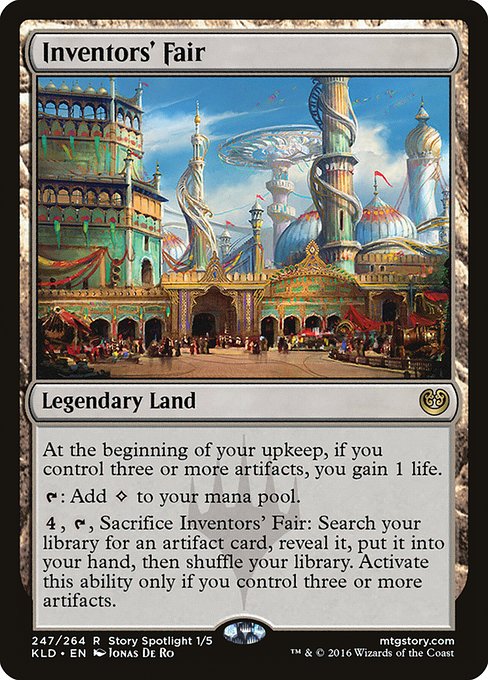 Inventor’s Fair
At the beginning of your upkeep, if you control three or more artifacts, you gain 1 life.
Inventor’s Fair
At the beginning of your upkeep, if you control three or more artifacts, you gain 1 life.
{T}: Add {C}.
{4}, {T}, Sacrifice Inventors' Fair: Search your library for an artifact card, reveal it, put it into your hand, then shuffle. Activate only if you control three or more artifacts.
that can help search for them, as well as cards like
Ingenious Smith
 Ingenious Smith
When this creature enters, look at the top four cards of your library. You may reveal an artifact card from among them and put it into your hand. Put the rest on the bottom of your library in a random order.
Ingenious Smith
When this creature enters, look at the top four cards of your library. You may reveal an artifact card from among them and put it into your hand. Put the rest on the bottom of your library in a random order.
Whenever one or more artifacts you control enter, put a +1/+1 counter on this creature. This ability triggers only once each turn.
that can dig for them.
Read More: Abandoned MTG Kindred Archetype Ready to Dominate Once Again!
Mana Producers

In addition to playing cheap interactive Artifacts, another way this deck can play Metalwork Colossus ahead of schedule is by playing non-Creature Artifacts that also tap for mana. Cards like
Cultivator’s Caravan
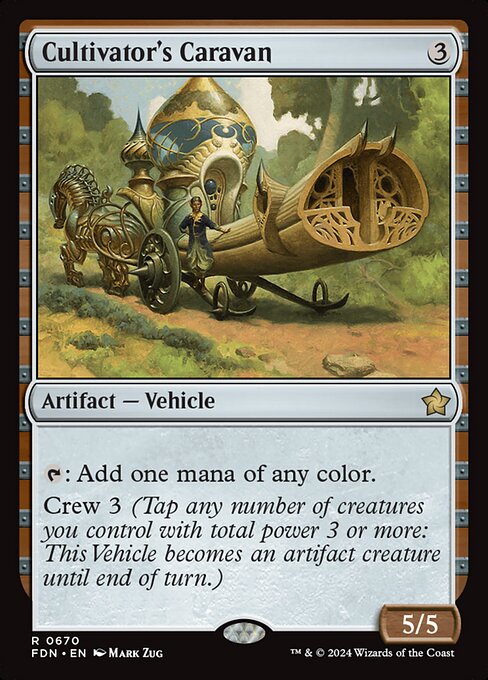 Cultivator’s Caravan
{T}: Add one mana of any color.
Cultivator’s Caravan
{T}: Add one mana of any color.
Crew 3 (Tap any number of creatures you control with total power 3 or more: This Vehicle becomes an artifact creature until end of turn.)
come a long way in helping you cast Metalwork Colossus. The card naturally makes Colossus cost three less mana, but it can also produce mana that can be used to help cast Colossus, too. It’s quite common to play Caravan and immediately play a one-drop Artifact alongside it.
Additionally, using Colossus, a big Ingenious Smith, or your Companion
Jegantha, the Wellspring
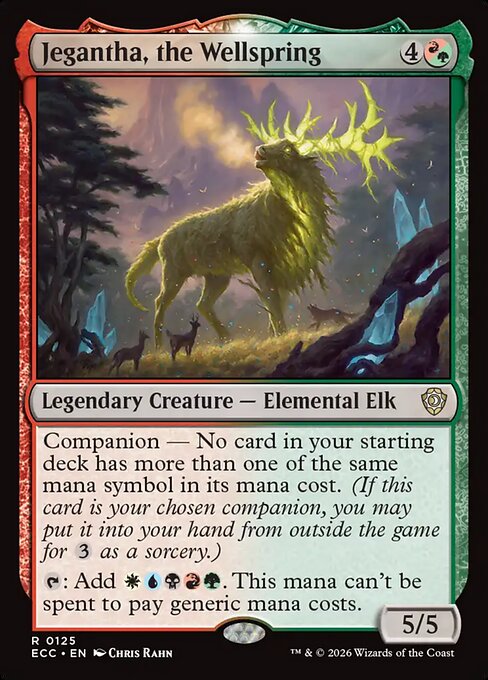 Jegantha, the Wellspring
Companion — No card in your starting deck has more than one of the same mana symbol in its mana cost. (If this card is your chosen companion, you may put it into your hand from outside the game for {3} as a sorcery.)
Jegantha, the Wellspring
Companion — No card in your starting deck has more than one of the same mana symbol in its mana cost. (If this card is your chosen companion, you may put it into your hand from outside the game for {3} as a sorcery.)
{T}: Add {W}{U}{B}{R}{G}. This mana can't be spent to pay generic mana costs.
to Crew Caravan can help you win races and beat board wipes like
Supreme Verdict
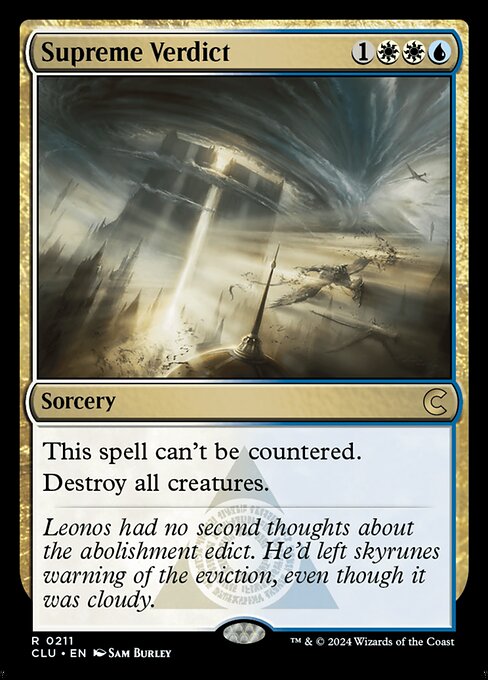 Supreme Verdict
This spell can't be countered.
Supreme Verdict
This spell can't be countered.
Destroy all creatures.
. Caravan does a lot of work in this deck, and it helps you curve nicely into
The Mightstone and Weakstone
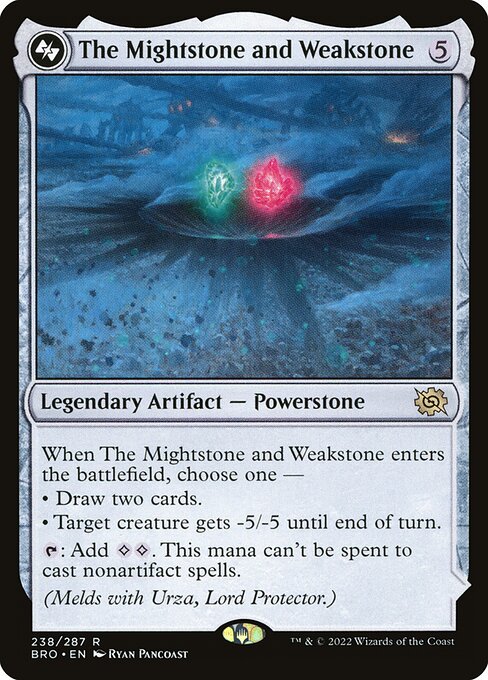 The Mightstone and Weakstone
When The Mightstone and Weakstone enters, choose one —
The Mightstone and Weakstone
When The Mightstone and Weakstone enters, choose one —
• Draw two cards.
• Target creature gets -5/-5 until end of turn.
{T}: Add {C}{C}. This mana can't be spent to cast nonartifact spells.
(Melds with Urza, Lord Protector.)
, arguably the best card in the whole deck.
The Mightstone and Weakstone is an incredible card in this archetype, and a huge reason why this archetype can succeed. Obviously, the card helps a ton towards casting Metalwork Colossus, virtually paying for seven of the eleven mana needed to cast Colossus. Both abilities are also very strong. Giving a Creature -5/-5 is good enough to deal with almost any problematic Creature, including Sheoldred. In attrition-based matchups, drawing two cards is a good option to have instead. Both Caravan and The Mightstone and Weakstone act as the glue that hold the deck together.
Read More: New MTG Modern Deck Destroys Massive Event With Land Destruction!
Cool Synergies

One of the struggles with this archetype in general is beating removal that exiles Metalwork Colossus. Cards like
The Wandering Emperor
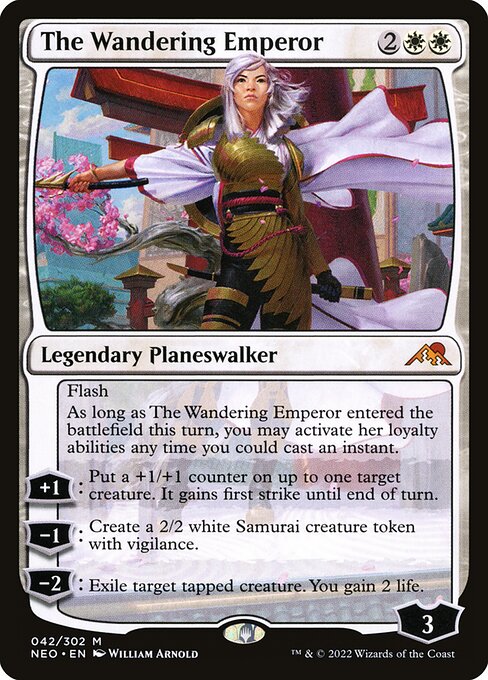 The Wandering Emperor
Flash
The Wandering Emperor
Flash
As long as The Wandering Emperor entered this turn, you may activate her loyalty abilities any time you could cast an instant.
+1: Put a +1/+1 counter on up to one target creature. It gains first strike until end of turn.
−1: Create a 2/2 white Samurai creature token with vigilance.
−2: Exile target tapped creature. You gain 2 life.
can be devastating. Fortunately, this deck has some tricks up its sleeve to help beat these types of cards. First of all, even if you spend no mana to cast Metalwork Colossus, its mana cost is still 11. This makes
Sanctum of Ugin
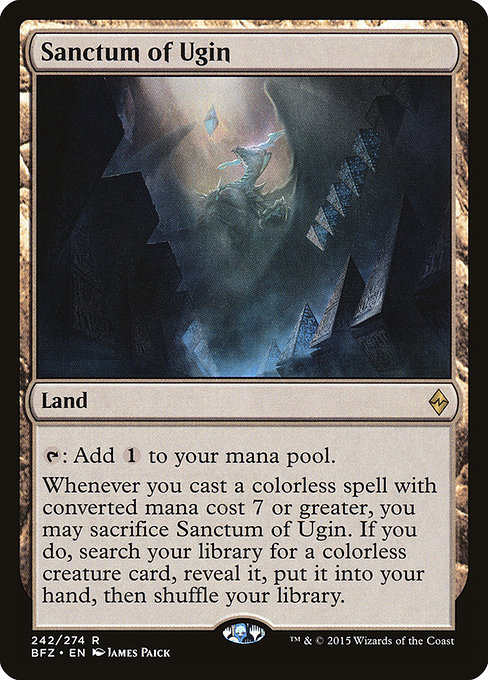 Sanctum of Ugin
{T}: Add {C}.
Sanctum of Ugin
{T}: Add {C}.
Whenever you cast a colorless spell with mana value 7 or greater, you may sacrifice this land. If you do, search your library for a colorless creature card, reveal it, put it into your hand, then shuffle.
a great tool for the deck, letting you grab a second copy of Colossus to add extra pressure to the board. This way, even if one Colossus gets exiled, you still have a ten-power Creature left over to bash with.
Touch the Spirit Realm
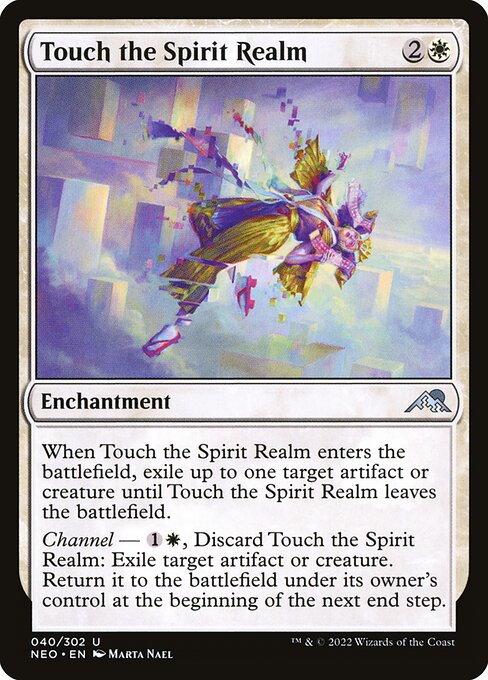 Touch the Spirit Realm
When this enchantment enters, exile up to one target artifact or creature until this enchantment leaves the battlefield.
Touch the Spirit Realm
When this enchantment enters, exile up to one target artifact or creature until this enchantment leaves the battlefield.
Channel — {1}{W}, Discard this card: Exile target artifact or creature. Return it to the battlefield under its owner's control at the beginning of the next end step.
can help with exiling removal as well, while filling multiple other roles. The card can be cast like normal, acting as an
Oblivion Ring
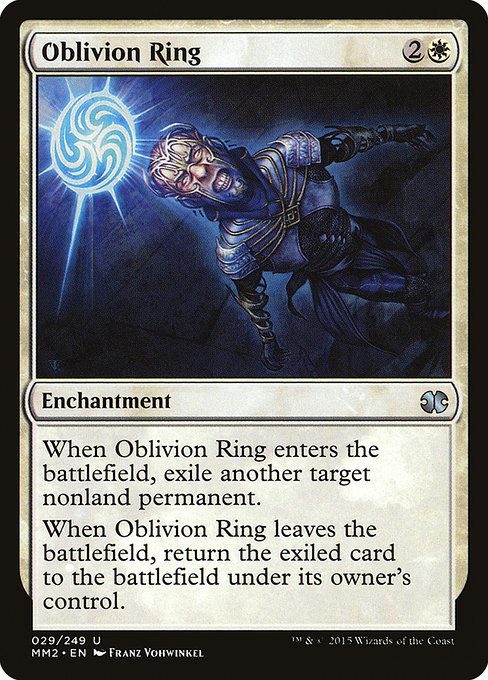 Oblivion Ring
When this enchantment enters, exile another target nonland permanent.
Oblivion Ring
When this enchantment enters, exile another target nonland permanent.
When this enchantment leaves the battlefield, return the exiled card to the battlefield under its owner's control.
for problematic Artifacts and Creatures[/tooltips], such as
Cavalier of Thorns
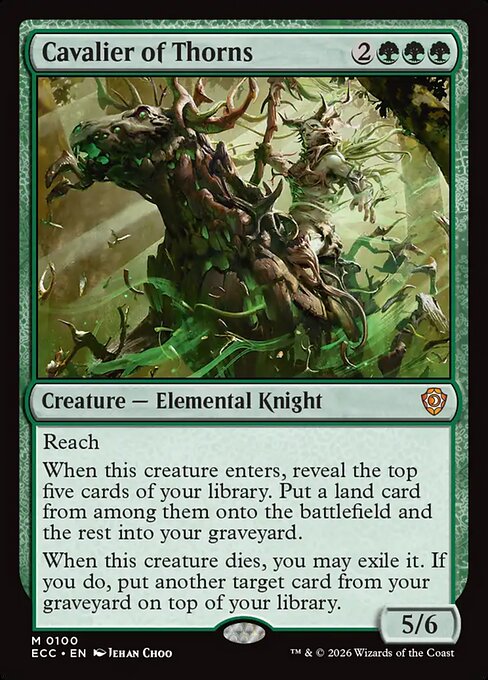 Cavalier of Thorns
Reach
Cavalier of Thorns
Reach
When this creature enters, reveal the top five cards of your library. Put a land card from among them onto the battlefield and the rest into your graveyard.
When this creature dies, you may exile it. If you do, put another target card from your graveyard on top of your library.
or
Old-Growth Troll
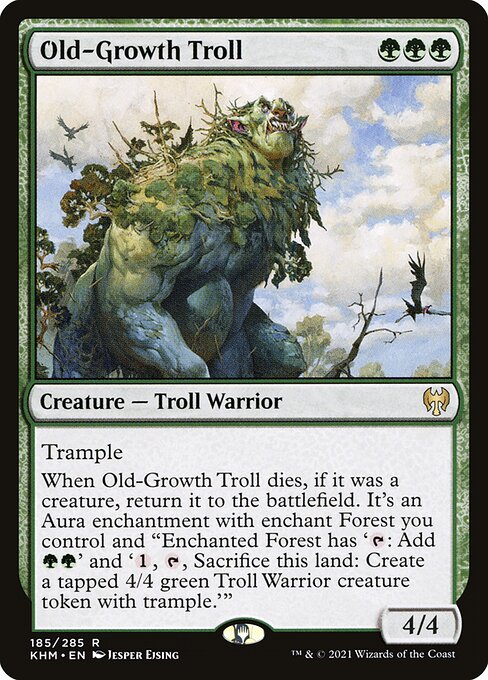 Old-Growth Troll
Trample
Old-Growth Troll
Trample
When Old-Growth Troll dies, if it was a creature, return it to the battlefield. It's an Aura enchantment with enchant Forest you control and "Enchanted Forest has '{T}: Add {G}{G}' and '{1}, {T}, Sacrifice this land: Create a tapped 4/4 green Troll Warrior creature token with trample.'"
out of mono-green Devotion. However, the real strength lies in being able to blink out Colossus and return it to play at the beginning of the next end step, completely unharmed. You can even blink non-Creature Artifacts like The Mightstone and Weakstone to generate extra value or protect them from the likes of
Boseiju, Who Endures
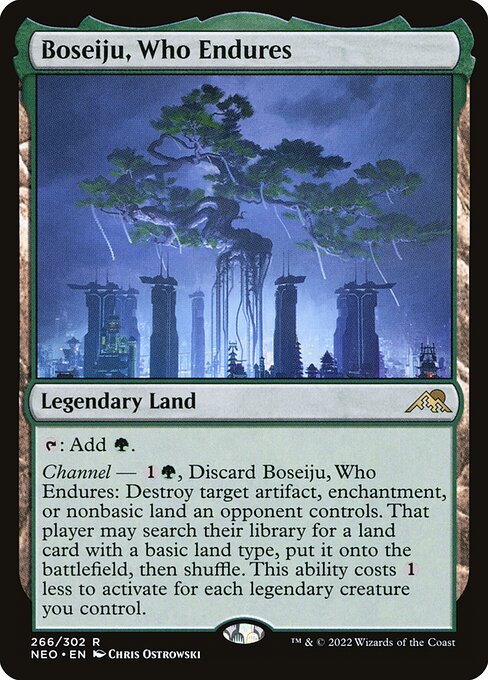 Boseiju, Who Endures
{T}: Add {G}.
Boseiju, Who Endures
{T}: Add {G}.
Channel — {1}{G}, Discard this card: Destroy target artifact, enchantment, or nonbasic land an opponent controls. That player may search their library for a land card with a basic land type, put it onto the battlefield, then shuffle. This ability costs {1} less to activate for each legendary creature you control.
.
Read More: New Archetype Utilizes Forgotten Gems from Old Broken Standard Deck!
Strengths and Weaknesses
This deck definitely has some weaknesses, but there are a handful of very strong matchups. Take it from the innovator of the deck themselves: this deck has quite a strong Rakdos midrange matchup. While many budget aggro decks struggle against Rakdos’s recipe of cheap interaction alongside Sheoldred and
Fable of the Mirror-Breaker
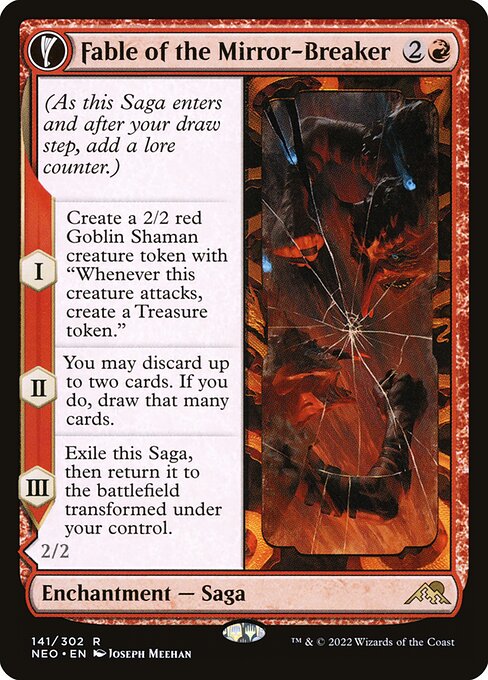 Fable of the Mirror-Breaker
(As this Saga enters and after your draw step, add a lore counter.)
Fable of the Mirror-Breaker
(As this Saga enters and after your draw step, add a lore counter.)
I — Create a 2/2 red Goblin Shaman creature token with "Whenever this token attacks, create a Treasure token."
II — You may discard up to two cards. If you do, draw that many cards.
III — Exile this Saga, then return it to the battlefield transformed under your control.
, this deck goes way over the top. Both Touch the Spirit Realm and The Mightstone and Weakstone answer any problematic threats along the way, and Metalwork Colossus is a nearly unbeatable threat. Similarly, Izzet Phoenix has a very difficult time dealing with a resolved Colossus, and its clock is typically rather slow.
Where this deck tends to struggle is either against decks like Azorius control that play
Farewell
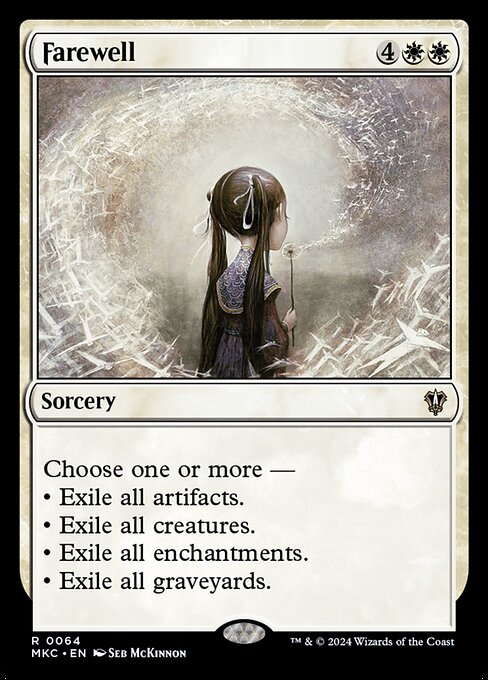 Farewell
Choose one or more —
Farewell
Choose one or more —
• Exile all artifacts.
• Exile all creatures.
• Exile all enchantments.
• Exile all graveyards.
or Gruul midrange that plays Artifact removal and The Akroan War. The copies of Portable Hole and Glass Casket help a lot against other Creature-heavy decks, though Boros Convoke has a tendency to go wide very quickly. Additionally, combo decks like
Lotus Field
 Lotus Field
Hexproof
Lotus Field
Hexproof
This land enters tapped.
When this land enters, sacrifice two lands.
{T}: Add three mana of any one color.
combo can pose a struggle, though adding extra copies of
Damping Sphere
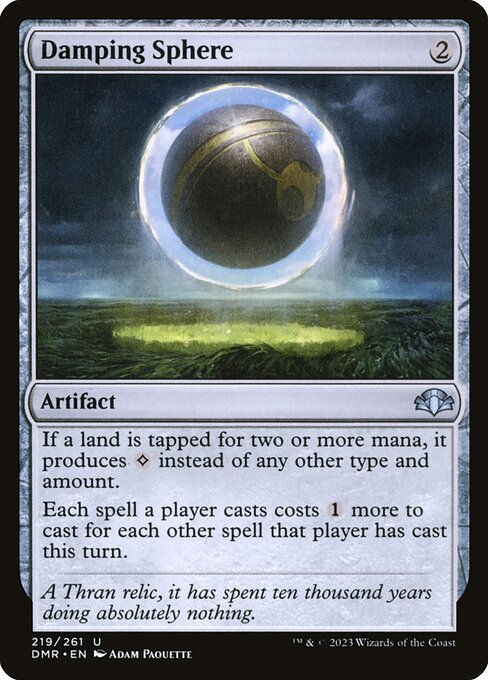 Damping Sphere
If a land is tapped for two or more mana, it produces {C} instead of any other type and amount.
Damping Sphere
If a land is tapped for two or more mana, it produces {C} instead of any other type and amount.
Each spell a player casts costs {1} more to cast for each other spell that player has cast this turn.
can help a little bit.
This strategy may be a bit off the wall, and it’s unlikely to skyrocket to being a tier one archetype any time soon. That being said, it’s a reasonable choice in a Rakdos-heavy metagame, and its budget-friendly nature both in paper and online makes it an intriguing choice. If you’re looking for something unique, cheap, and fun to play in Pioneer, consider giving this deck a try.
Read More: MTG Land Hosers Can Singlehandedly Swing Games in Your Favor!