


For many MTG players, Secrets of Strixhaven is the best set we’ve seen this year. Between the new Commander precons and the incredible Mystical Archive hits, many players are paying more attention than usual. Thanks to this, all eyes are on the Secrets of Strixhaven prerelease events, which start this weekend.
Depending on how full your prerelease is, the stakes at hand could be quite high. With tons of packs up for grabs, it may be in your best interest to go into this event with a game plan. Fortunately, thanks to Wizards of the Coast, we were able to attend the Secrets of Strixhaven Early Access Event on MTG Arena. After cracking some prerelease pools and playing multiple drafts, we’re here to help you get prepared for Secrets of Strixhaven.
Converge, and Fixing, is Cracked
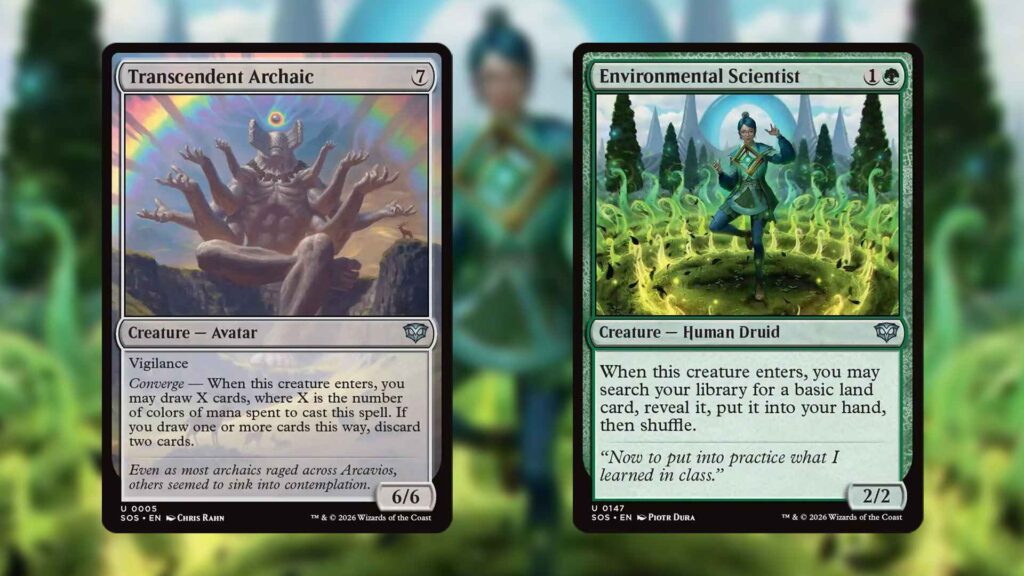
While the five Colleges represent the core supported archetypes for Secrets of Strixhaven, the sixth secret archetype appears to be quite impressive this time around. Based around the Archaics of the plane, Converge encourages players to play as many colors as they can. If they do, the Archaic cards they cast will grant larger payoffs.
That said, among the Converge cards, there are a few that might be traps. Archaic’s Agony only seems good if you’re consistently paying all five colors to cast it, and Arcane Omens feels like a sideboard card for slower matchups. With this in mind, focusing on the Converge Rares, alongside Sundering Archaic, Snarl Song, and Transcendent Archaic, will give you better payoffs.
The biggest draw towards this archetype is how many gold cards are in Secrets of Strixhaven. Thanks to many of the Strixhaven Campuses sharing a color as-is, splashing between archetypes like Prismari and Quandrix, for example, already works well. If that weren’t enough, these two archetypes also want to go late, supporting the slower Converge strategy.
On top of all the gold cards, Secrets of Strixhaven also has tons of fixing, which is great for Converge decks. While green will always have the best options here, offering cards like Studious First-Year and Environmental Scientist, fixing isn’t just limited to this color. Whether it’s Goblin Glasswright in red, a colorless mana rock Potioner’s Trove, or the cycle of Surveil Lands, getting a strong multicolor manabase is surprisingly easy.
Thanks to this, even if you aren’t focusing on Converge cards, 3-4 color decks always felt extremely powerful when I was playing with or against them. This versatility also means that gold cards that are strong without synergistic support, like Stress Dream and Proctor’s Gaze, might be extremely high picks in draft. Because of all this, if Converge looks like its realistically open, it could be worth switching into.
Boros, but Ignoring Lorehold, is Also Extremely Good
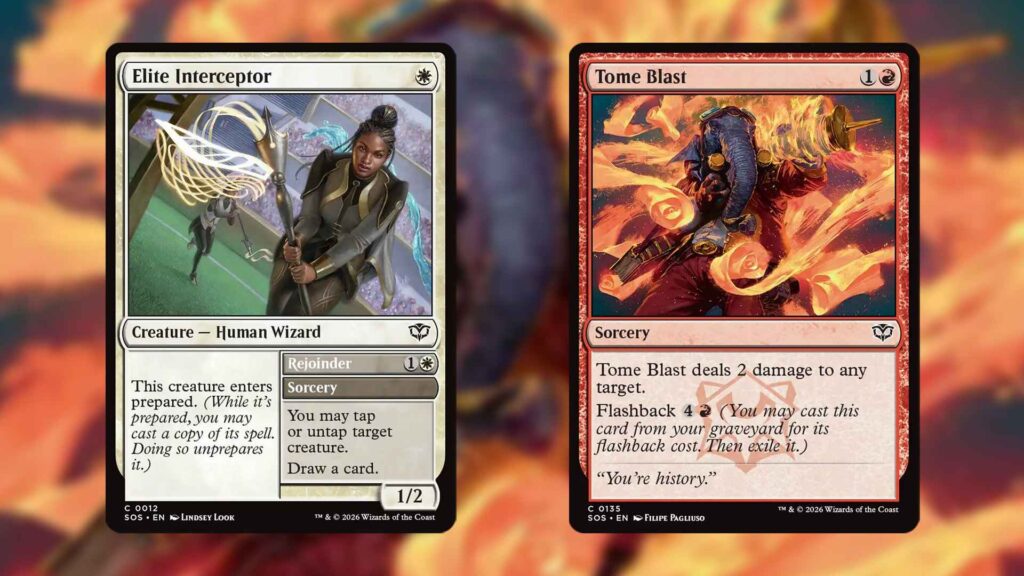
Despite looking flashy on the surface, it appears that the Flashback Lorehold synergy is a bit of a trap. While the payoffs here can be great, you do need a specific subset of cards to get things working. Thankfully, while Flashback strategies might not be perfect, Boros isn’t a complete write-off.
From what we’ve seen in the early access event, it appears that traditional Boros Aggro is the way to go in this color pair. Curiously, cards from Silverquill, such as Graduation Day, help a lot here, especially alongside a suite of aggressive red cards. With Tome Blast, Ancestral Anger, and Elite Interceptor in this mix, this archetype can be a real force to be reckoned with.
While having an aggressive option is always great, the duality of early Secrets of Strixhaven might be a little worrying. Dragons of Tarkir, an infamously bad Draft set, only had Boros Aggro and Five-color Soup as the viable archetypes. History certainly seems to be repeating itself a bit here, but it’s too early to tell for sure.
Play More Instants and Sorceries Than Usual
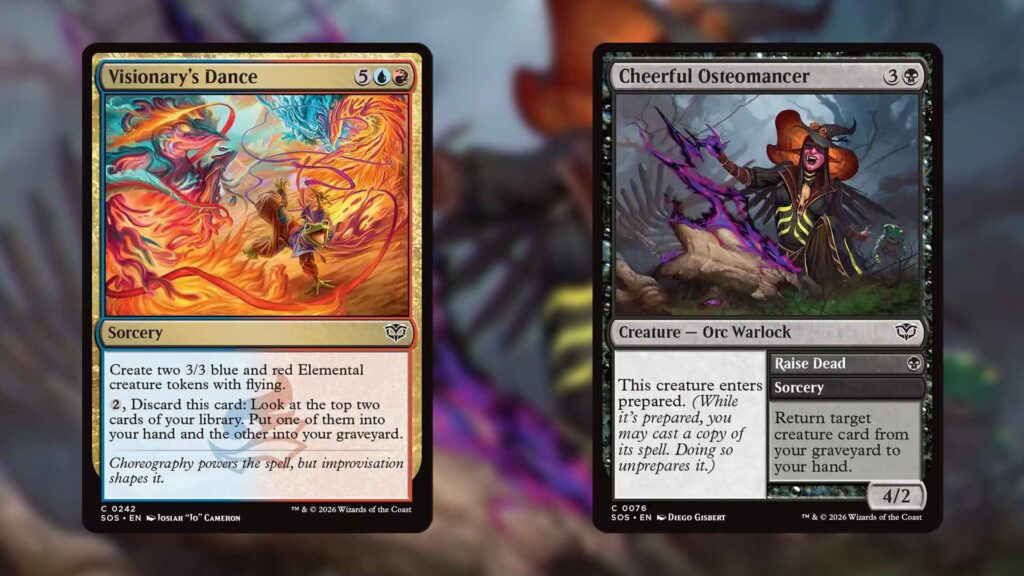
While not true for every archetype, my most successful Drafts in the Early Access event had an unusual amount of instants and sorceries in the main deck. Typically, 40-card decks want to aim for about 17 creatures and 6 noncreature spells, give or take a few cards in either category. I found myself running 10 noncreature spells in a majority of my more successful runs.
This is mostly because many of the synergies in Secrets of Strixhaven need instants and sorceries to work. This is especially true for Prismari and Silverquill, which both need to cast instants and sorceries to trigger their featured abilities. That said, there are multiple cards in the set, between Prepare creatures and cards like Visionary’s Dance, that can play the role of both creature and instant or sorcery. This can allow you to play a normal amount of creatures, but make sure you have enough instants and sorceries to make your abilities work.
Card Advantage Matters A Lot
Secrets of Strixhaven, overall, feels like a very grindy set. While it’s certainly possible to draft or build an aggressive Silverquill deck, most games tend to go long, especially in Prerelease. Due to this, cards that are normally unplayable, like Wisdom of the Ages, appear to be a bit better than expected this time around.
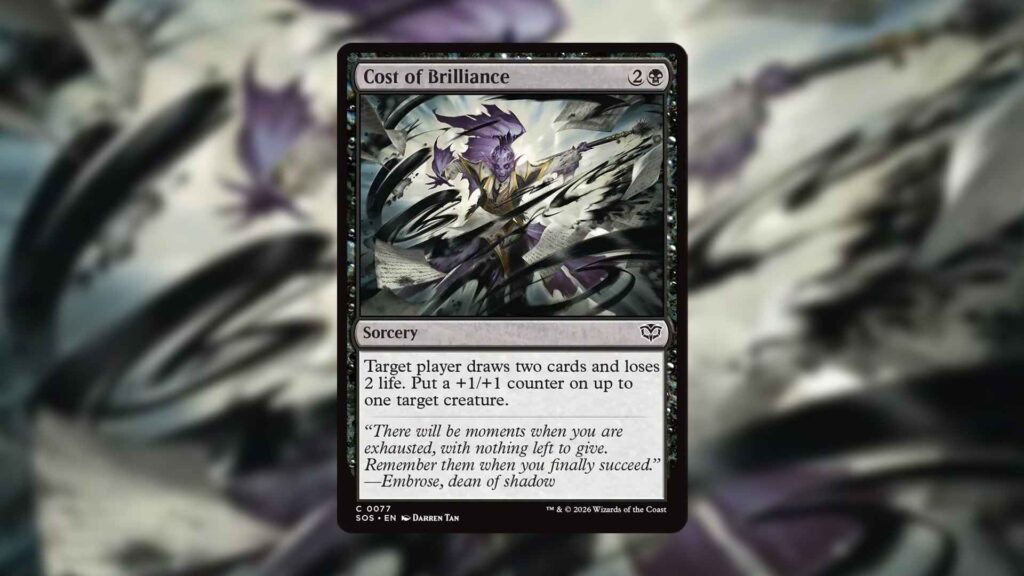
Similarly, cards like Cost of Brilliance are absolute gold mines. Between drawing cards, triggering Repartee, and buffing your board, this common does absolutely everything. It’s reminiscent of Final Fantasy’s extremely strong Combat Tutorial, but the set’s synergies actually care about it this time.
What College to Play?
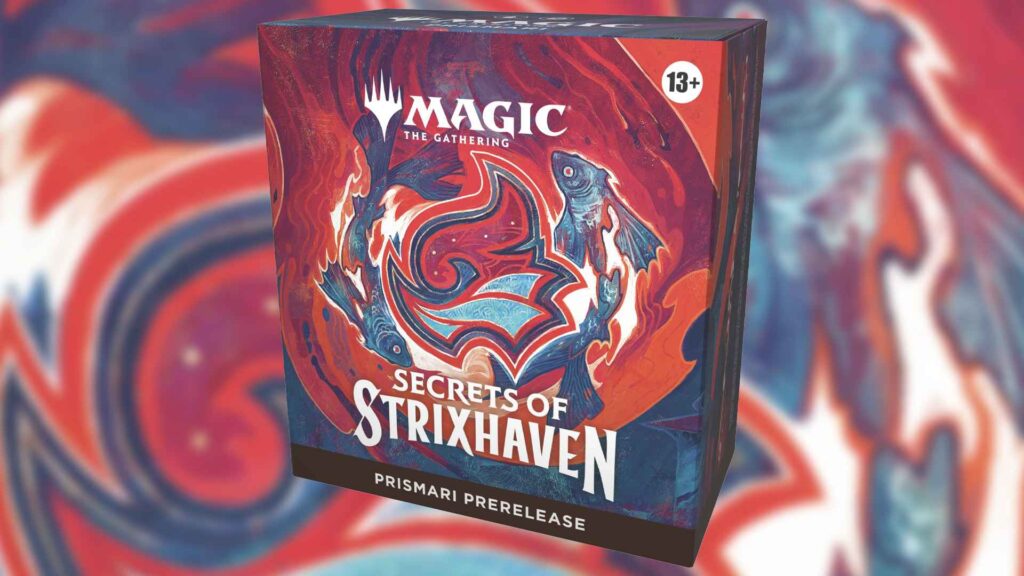
As a callback to the original Strixhaven: School of Mages prerelease, MTG players can choose between five different themed Prerelease kits that feature the various Campuses. Each of these kits will offer five of the six usual play boosters and one College-themed booster tailored towards your pick.
In my personal opinion, Prismari and Silverquill seem like the best picks for the Secrets of Strixhaven prerelease. Both of these archetypes offer powerful game plans that can play well in other archetypes if your five play boosters open better in other colors.
Quandrix, meanwhile, is in a bit of a strange spot, despite being the best option to build a Converge deck around. Many of the cards in this deck care about casting X spells, but, to be frank, X value cards in this set aren’t very strong. Because of this, while the Increment cards can do a lot of work, any of the X-value oriented Quandrix payoffs are left feeling lacking. While I still think Quandrix is a decent pick, it’s a little behind Silverquill and Prismari.
Thanks to being more synergy-dependent, Witherbloom and Lorehold seem like the riskiest picks for Secrets of Strixhaven prerelease. Witherbloom really needs to have both lifegain enablers and payoffs to work, and all of Lorehold’s decks, aggressive or Flashback oriented, need a specific set of cards to work well. Because of this, the cards you open here can struggle to play in other Colleges, making deckbuilding more difficult.
All in all, while each college in Secrets of Strixhaven has its own quirks and features, it’ll always depend on what you open. Bomb rares and mythics are always worth watching out for, especially if you’ve got enough support to work around them. Still, hopefully these tips, tricks, and notes will help you get the edge to help you come out on top on Friday.
Stick with us here at mtgrocks.com: the best site for Magic: The Gathering coverage. Be sure to check out our deckbuilder for your next big brew, and our brand new MTG Rocks Podcast!