




One of the things that I enjoy the most about MTG is its complexity, which helps make it replayable. For new players looking to get more involved in the beloved game, though, learning the ropes can be quite intimidating. MTG’s wide variety of formats, each with their own distinct ruleset and play patterns, doesn’t help.
This can make picking a format for MTG players to learn as beginners difficult, but we’re here to try and help. Hint: learning MTG by playing Commander is probably the worst way to go about things.
MTG Sealed
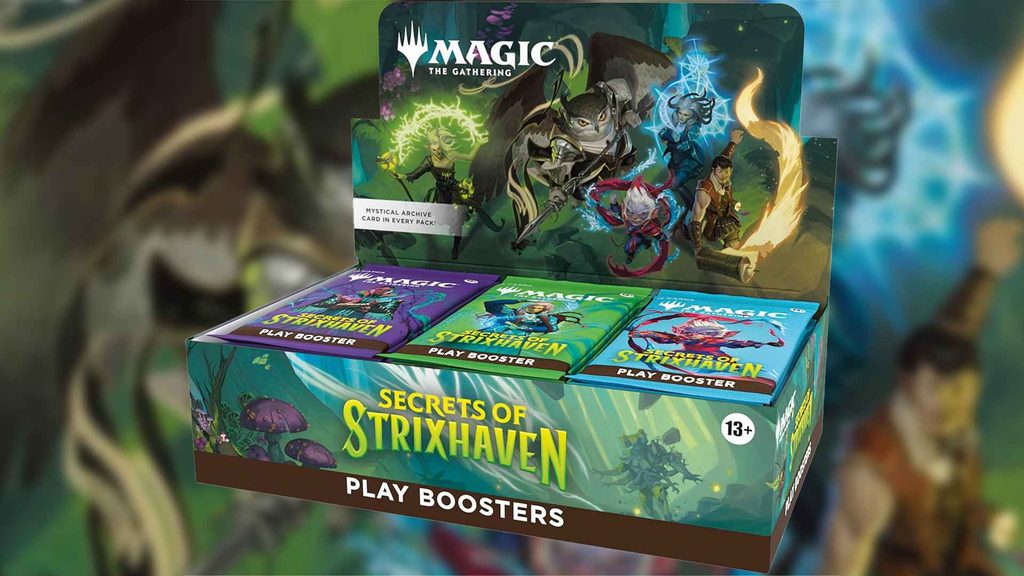
For new players who don’t have a collection, Sealed is an easy format to pick up and play for the first time. In this format, you’ll get 6 Play Boosters to open and use the contents of those packs, plus any number of Basic lands, to build a 40-card deck. It’s just like Prerelease!
Since all the cards you get to play with are provided, Sealed is great for players who don’t have many cards of their own yet. You’re also generally playing with a smaller pool of cards that share a lot of the same effects, so understanding one mechanic will help you play with a lot of cards.
Sealed events also traditionally use packs from exclusively the newest MTG set, so you aren’t forced to be familiar with cards from prior sets. This is a big deal considering how massive MTG’s card catalog is.
Since all players in a Sealed event are working with this small subset of cards, it shouldn’t feel like your opponents have a big advantage you don’t. Obviously, each player’s booster contents are a little different, but there’s no notion that others simply “paid to win.”
Notably, even if you don’t finish with a good record, you still get to keep the cards from the 6 packs you opened. This way, you can build a collection over multiple Sealed events. Add to that the fact that most local game stores give out additional packs as prize support to the top players, and you have a nice incentive to try to get better.
The only real downside to MTG Sealed is that, while the entry point is very friendly for new players, mastering Sealed is incredibly difficult. Like Limited, Sealed is arguably one of the most difficult formats in MTG because of the extra deck-building element. The good news is that, if you master Sealed, the rest of Magic should come extremely easily to you.
MTG Pauper
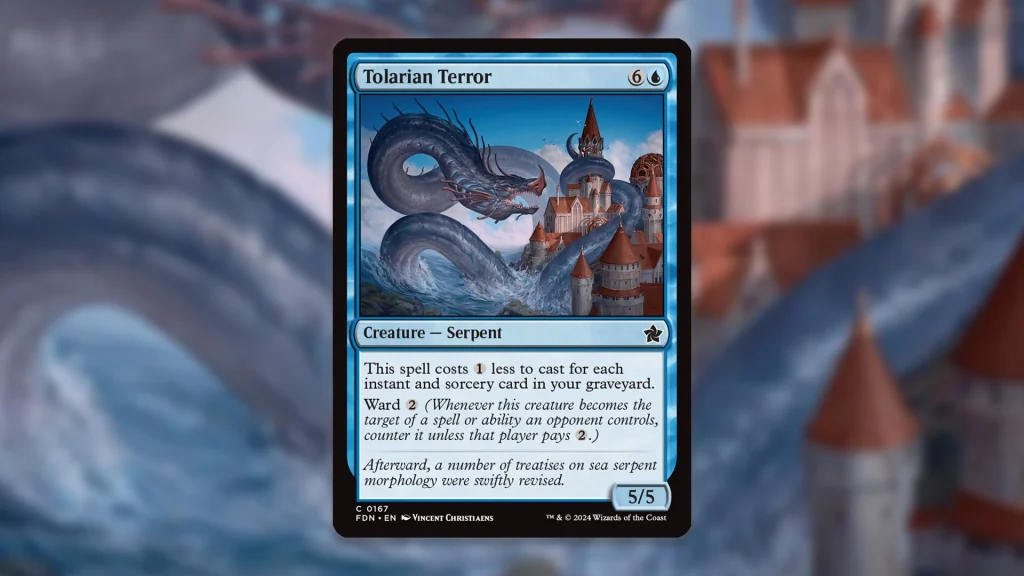
Unlike Sealed, Pauper requires you to construct a 60-card deck ahead of time. Its legal card pool also includes designs from throughout MTG’s entire history, so learning the format’s ins and outs definitely takes more time than Sealed.
On the bright side, commons are the only type of cards that are legal in Pauper, which keeps the format extremely cheap. While other MTG formats require players to spend $500+ to build a deck, the most expensive Pauper decks generally only cost $100 to put together.
One of the worst feelings a newer player can have is buying a deck and finding out they don’t enjoy it as much as they thought they would, and Pauper’s low barrier to entry reduces that risk. It also makes it much easier to buy multiple decks, so you can get the hang of different strategies.
After you pick up a deck you enjoy, you won’t have to worry about paying extra for additional products when you enter a tournament at your LGS, either. Sealed events typically cost more to enter than Constructed events like Pauper, since you also have to pay for the packs you open. So, once you pick your Pauper deck, you can actually save money on events in the long run.
Obviously, choosing a deck is naturally an intimidating process, but sites like MTGGoldfish can give you a snapshot of the top options. This way, you aren’t going in blind, and can get a sense of things ahead of time.
The MTG community is generally pretty accommodating, so you may be able to borrow a few different decks for an event and find one that you like before building it. If playing a constructed format is your jam, Pauper is our recommendation because of how cheap it is.
MTG Kitchen Table
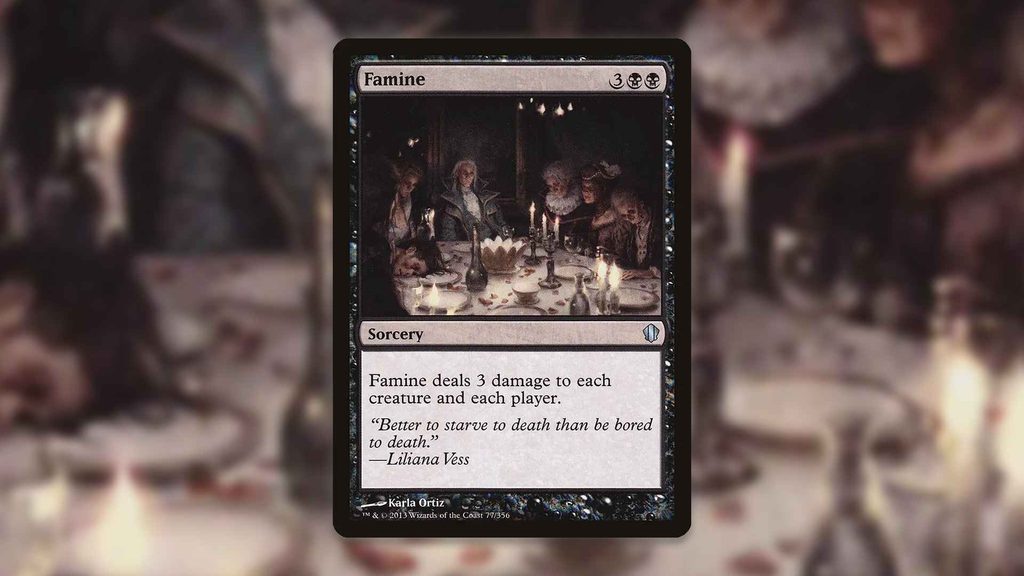
For new MTG beginners who are completely unfamiliar with the rules, starting with any sanctioned format may be too difficult. If you just want to jam some games with the cards you opened in some packs, Kitchen Table Magic is the best starting point.
The term “Kitchen Table” isn’t exactly well-defined, but it really boils down to just sitting around with your friends and jamming cards as you see fit. No cost, no stakes, and no specific format guidelines to follow.
This way, you have the opportunity to learn about MTG rules, such as how priority works, without fear of consequences. You also get to play with creatures with different stat lines to get a grasp of how combat math works, and learn common keywords like Trample or Lifelink.
Kitchen Table play also lets players alter the rules for their enjoyment. Want to raise life totals to make games go longer, or play with more than four copies of a card in a deck so you draw it more often? As long as everyone agrees, go right ahead!
Kitchen Table is ultimately the most popular way to play MTG by far, since it’s easily adaptable to a play group’s interests. At the end of the day, if you just want to have fun, this is a good place to start.
MTG Commander: Bad Idea
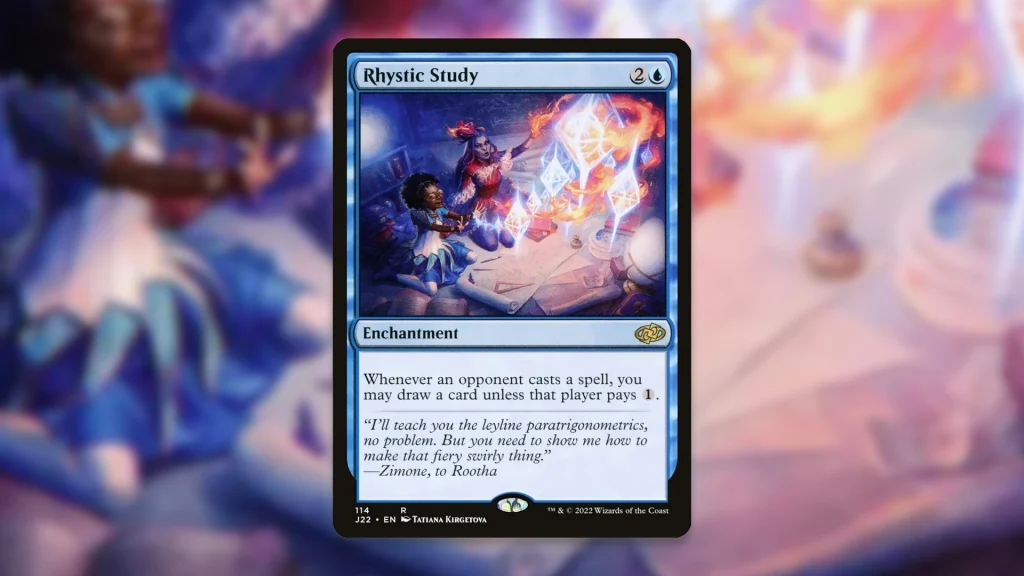
Outside of Kitchen Table play, Commander is likely the most popular format in MTG in paper. Despite this, though, it doesn’t actually make for a good environment for beginners.
Right off the bat, outside of a specific ban list, every card ever printed is legal. Given that the format encourages creative deckbuilding and has thousands of legendary creatures that can be chosen as Commanders, keeping up with what your opponents play is a nightmare.
This issue is only exacerbated by the fact that Commander pods typically feature four players. You’re forced to keep track of an array of board states as a result, making it hard to navigate combat and not miss things.
With the new bracket system in place in Commander, you also need to make sure the deck you bring matches up with your opponents’ from a power level perspective. For someone just starting out, this isn’t always an easy task.
If you do decide to give Commander a try as an MTG novice, your best bet is probably to have all players bring preconstructed decks, or precons. Precons are typically pretty cheap, and usually don’t feature any infinite combos or otherwise super confusing designs. Leveling the playing field should give you a better experience.
Still, Commander is far from the simplest way to play MTG, and thus can be inhospitable to a beginner. We highly recommend Sealed, Pauper, or Kitchen Table play for those looking to get more involved in Magic. Then, once you grasp the basic rules, grab some drinks and jam Commander with the friends who convinced you to play MTG in the first place.
Stick with us here at mtgrocks.com: the best site for Magic: The Gathering coverage. Be sure to check out our deckbuilder for your next big brew, and our brand new MTG Rocks Podcast! MTGRocks’ editorial and corrections policy lets us create content you can trust.