




Secrets of Strixhaven’s spoiler season kickoff is finally here, and this set looks absolutely bonkers. Between an indirect return of Magic’s most broken spells and Dragons giving spells broken mechanics, Secrets of Strixhaven looks like a major turning point for MTG.
If that weren’t enough, there are some crazy things happening with Planeswalkers here, too. Including one new character and an alternate reality twist on an old favorite, Secrets of Strixhaven is going to be a set to remember.
MTG Improvisation Capstone
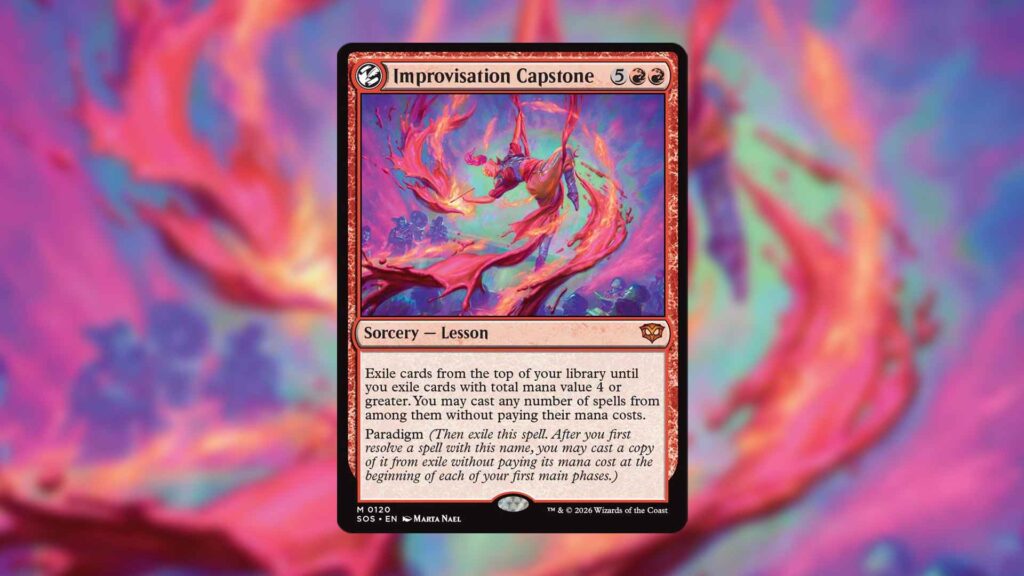
So long as you can survive the turn where you initially cast this card, Improvisation Capstone might be the best late-game engine in the entire game. Casting multiple free spells per turn will quickly bury your opponent in card advantage, making the seven mana easily worth spending. This card does do a lot less than a seven-mana spell should on impact, however, giving your opponent a window to close the game before things roll out of control.
In slower formats, like Commander, Improvisation Capstone should easily become a super staple. The card should reasonably improve any red deck at a Bracket 3 level, especially since you can cast spells over a mana value of four. The card could even easily create a new control or combo deck in Standard, depending on how quickly this card can resolve.
This seems like the most powerful card in Secrets of Strixhaven so far, but a whole cycle of Paradigm cards has been confirmed to appear in the set. These have the potential to warp entire metagames around them, so they will certainly be the cards to watch for in MTG Secrets of Strixhaven spoiler season.
MTG Prismari, the Inspiration
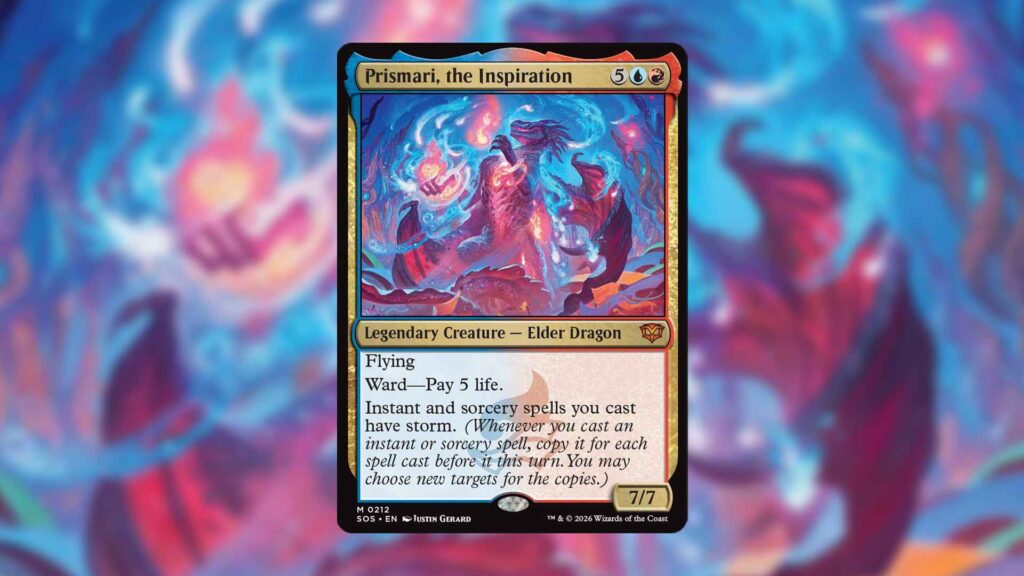
If you were looking for a massive finisher for your Commander Spellslinger deck, you’ve just found it. Giving all of your instants and Sorceries Storm allows Prismari, the Inspiration to make even the cheapest spells a big deal. Whether you refill your hand with a Consider, or you take out the entire table with Lightning Bolt, this card looks absolutely terrifying in Commander, especially if you can cheat it in.
Of course, like any MTG card with a massive payoff like this, there is a catch. While you don’t need to jump through hoops to get the Storm payoff, you do need to pay a lot of mana to cast this creature. Many of Commander’s most efficient removal spells, like Swords to Plowshares, can easily dispatch the dragon on the cheap, which makes picking and choosing your spot with this creature difficult. The Ward isn’t too helpful here, either, since decks that pressure life totals wouldn’t be playing a massive Dragon in the first place.
This, alone, rules Prismari out of fair play in constructed formats. Cheating this Dragon in, however, could easily end games of MTG in a flurry, which will make this card worth experimenting with.
MTG Quandrix, the Proof
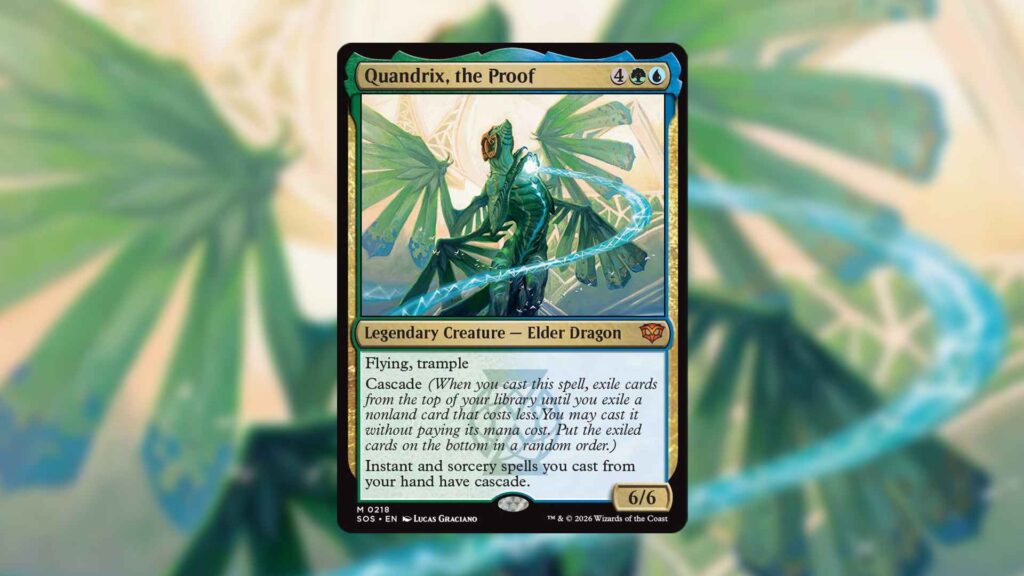
In addition to giving your Instants and Sorceries Cascade, Quandrix comes with a Cascade trigger itself. This, alone, makes Quandrix, the Proof extremely scary. Cascading into something that can generate mana, like Hidden Strings or Turnabout, for example, can easily set up a combo win with a High Tide-esque strategy. Thanks to the intricacies of Cascade, Quandrix can generate a ton of value for just one mana, too. Cascading into Ancestral Vision off a Consider draws four cards, restocking your hand in a flash.
Considering that big Cascade spells routinely see play in formats as old as Legacy, Quandrix, the Proof could really see play anywhere. At minimum, this will be an extremely scary Commander, but I wouldn’t be surprised to see this card show up in multiple competitive formats, as well.
MTG Silverquill, the Disputant
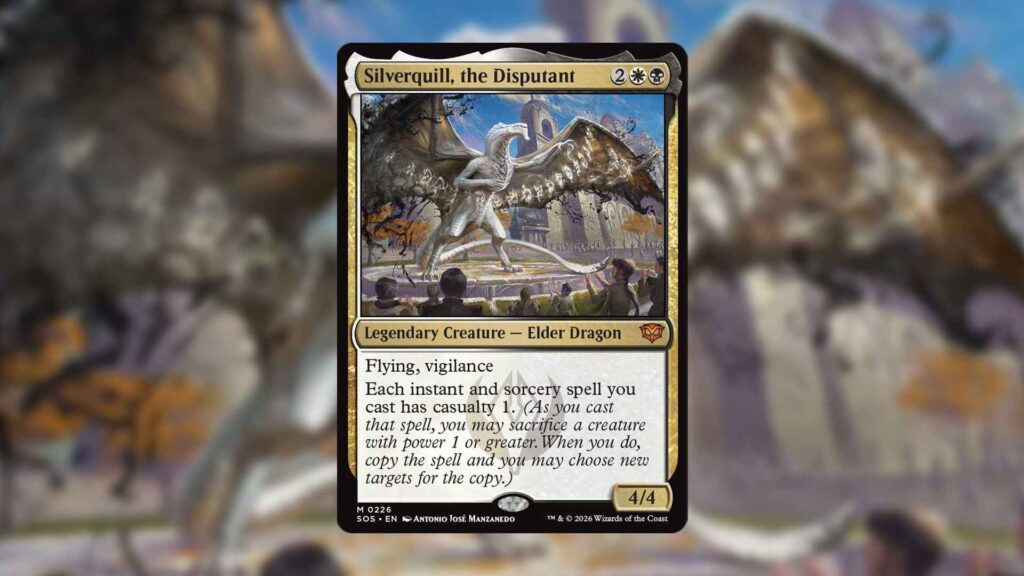
The last of the Elder Dragons that we haven’t seen before, Silverquill, the Disputant offers the least impressive ability of the bunch, but makes up for it in a modest mana value. Available for four mana, Silverquill seems more likely to make a meaningful impact on 60-card constructed formats, but even then, it might not be good enough.
In many MTG decks, Causality 1’s cost is rather high. While trading a small creature for an extra spell can easily be worthwhile, Silverquill is a card that requires building around. This could easily create tons of value in an Aristocrats deck, for example, but sacrificing creatures in an aggressive strategy can be quite painful.
Without the Causality payoff, Silverquill is just a mediocre Dragon. Like all of the other Elder Dragons, this card will easily be a Commander hit, but could struggle to see play outside of that.
MTG Professor Dellian Fel
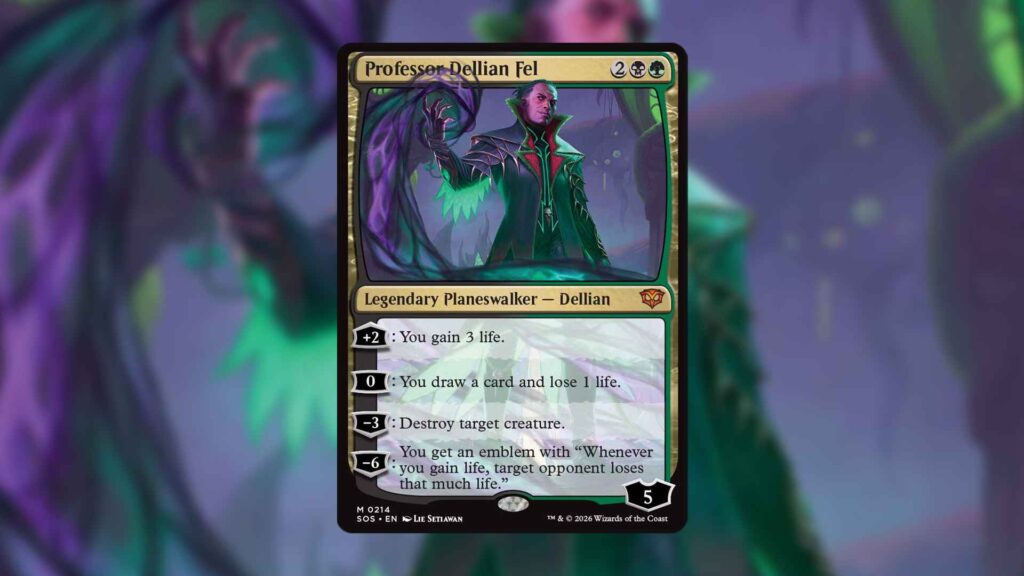
As MTG’s first new Planeswalker character since Kaito in Kamigawa: Neon Dynasty, Professor Dellian Fel’s debut needed to be flashy. While the Planeswalker certainly has potential, assessing this card does seem to be a bit difficult.
This Planeswalker comes with a ton of Loyalty, meaning that taking Dellian out will be a chore. The card is able to dodge Sear with ease, giving it a strong position in a red-heavy Standard meta. Dellian also creates a Sanguine Bond Emblem after one uptick, easily setting up life drain infinites in Commander.
The other three modes for Delian, however, aren’t super exciting. His zero ability is decent, giving him a potential spot in the sideboard of Golgari Cub shells in Standard and Pioneer. The -3 ability is necessary on Planeswalkers like this, giving them needed versatility, despite being kind of mediocre. The +2 can synergize with the new Golgari Infusion mechanic, but will only be good for stabilizing once you have the board under control. These all kind of make Dellian seem par the course for a Planeswalker, which has not been good enough to see play lately. The card does prove to be quite effective at grinding, however, which could potentially make Delion playable in Standard if it ever slows down.
MTG Ral Zarek, Guest Lecturer

Ral Zarek, Guest Lecturer, offers a first look at a Reality Shifted Planeswalker, and it has some pretty interesting applications. For the most part, this Planeswalker will excel at setting up graveyard decks, Surveilling cards to reanimate with his -2 ability. The discard certainly seems quite weak here, but it is an interesting option to strip the last card out of an opponent’s hand. This can play double-duty occasionally, dumping a big creature for you to reanimate.
The ultimate is the really exciting thing here, offering the potential to skip five of your opponent’s turns. This is an obvious callback to Ral’s first Planeswalker appearance, doing the exact opposite thing. Sadly, the starting Loyalty makes hitting this ability really difficult, as even Doubling Season only gets this Planeswalker to six Loyalty. Sadly, despite the card’s interesting applications, I don’t think this Planeswalker will see ample play in Standard’s lightning-fast environment.
MTG Grave Researcher
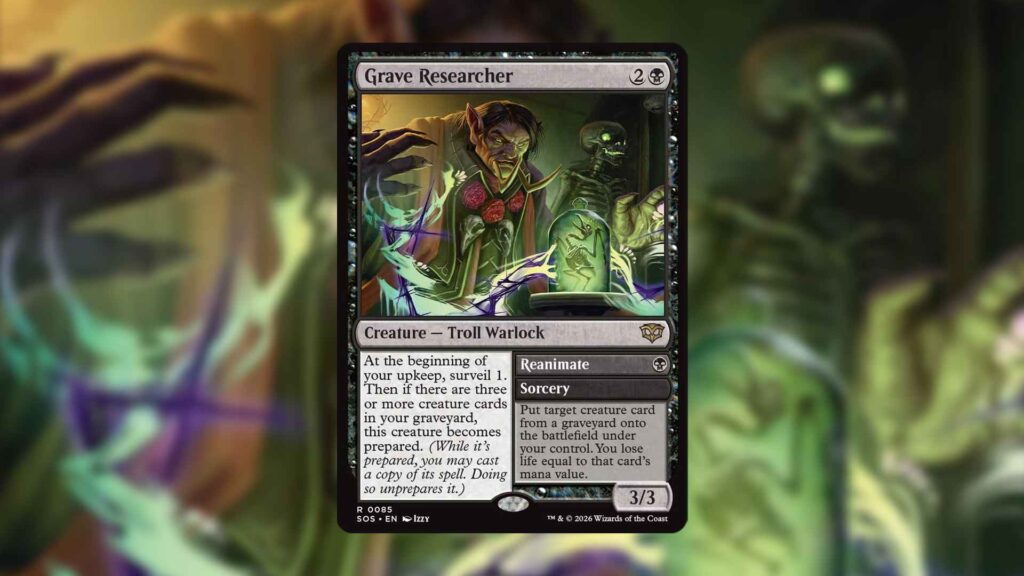
If you can get it rolling, Grave Researcher offers one of the best Secrets of Strixhaven payoffs we’ve seen so far. Finally giving a function to the perplexing Prepared mechanic, Grave Researcher can, essentially, cast Reanimate every turn, so long as you have three or more creature cards in your graveyard. Whether you focus on self-mill like Stitcher’s Supplier, or discard engines like Artist’s Talent and Cool but Rude, getting three creature cards in your graveyard is easy. Grave Resarcher even helps do this himself, Surveiling at the beginning of your Upkeep.
That, sadly, is the one big downside of this card. Not only do you need three creatures to start Reanimating threats, but this card needs to survive to your Upkeep to get your big payoff. This makes Grave Researcher an auto-add in any graveyard-based Commander deck, but it spells trouble for the card’s competitive viability. Generally, cards that don’t give immediate upside are tough to justify, but Grave Researcher’s sheer payoff could make it worth running anyway.
MTG Emeritus of Ideation
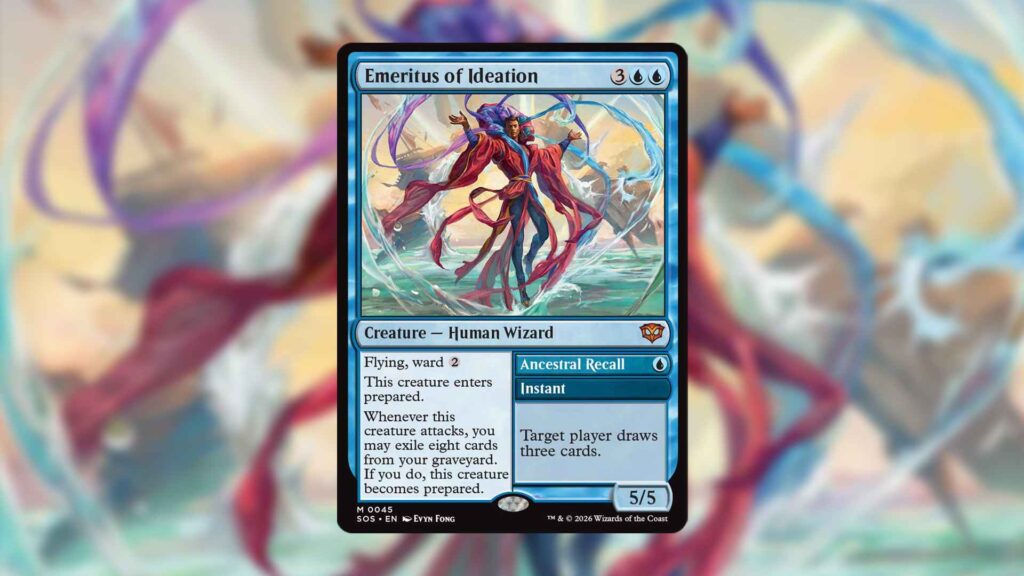
Now that we know what Prepare actually does, we can take a more accurate look at Secrets of Strixhaven’s Headliner card. Emeritus of Ideation does look incredibly powerful, but, as many players expected, the allure of casting Ancestral Recall isn’t as straightforward as it seemed.
Because Emeritus of Ideation does come Prepared, you can cast Ancestral Recall once this card enters play. You will need an extra mana to do that, which basically makes this a six-mana flier that draws three cards. The Ward 2 does give the card some protection if you want to try and untap with Recall, but this will be a kill-on-sight creature if you can’t get the payoff right away.
In constructed, Emeritus of Ideation could have some real legs in weaker formats like Standard. Sadly, at the time of writing, Quantum Riddler might just do this card’s job better. Thanks to its ability to supercharge your hand for cheap with Warp, Quantum Riddler will have a lot more play than Emeritus. Despite that, I could see Emeritus being a one-of in Nature’s Rhythm decks, potentially, especially since there’s little use for the graveyard in those strategies.
In Commander, if you can Prepare Emeritus of Ideation multiple times, or copy Ancestral Recall’s cast, this could easily run away with the game. Flickering Emeritus will also reset its Prepare trigger, allowing you to cast multiple Recalls without exiling your graveyard. Sadly, Quantum Riddler is still better for flickering, which makes this card’s playability somewhat suspect.
MTG Joined Researchers

Joined Researchers is a difficult card to evaluate, but it could prove powerful in aggressive decks that can get ahead of the opponent early. In strategies like Boros Dragons that need to deal a few points of damage to cross the finish line, the cards that Secret Rendezvous gives to your opponent mean a lot less. You’ll also be dumping your hand quickly, making it easier to Prepare Joined Researchers. The card certainly has merit in Commander, thanks to Secret Rendezvous’s political potential, but constructed is up in the air.
MTG Eiganjo Dynastorian
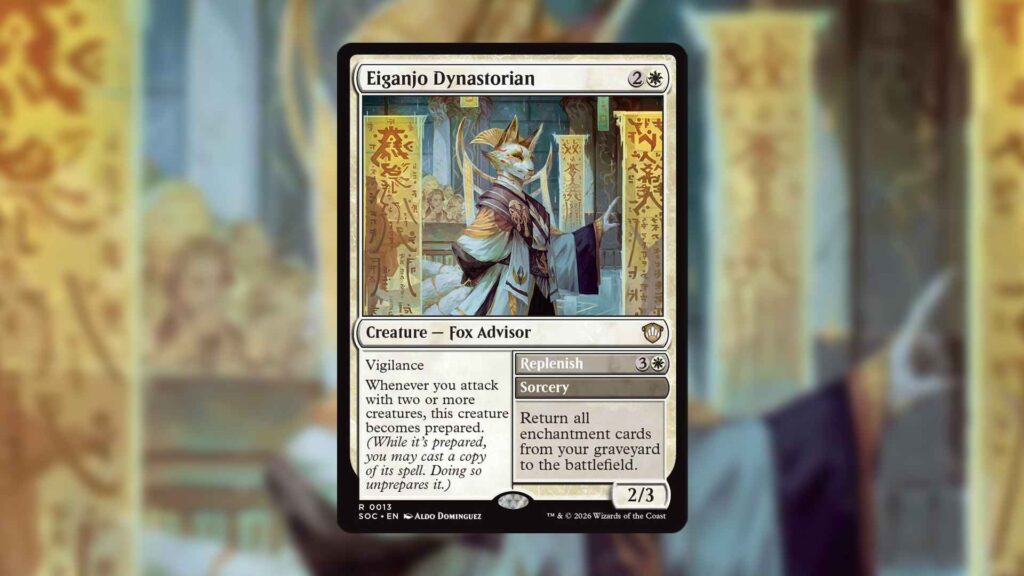
Next up in our list of Prepare cards, we have a Commander-legal inclusion that casts one of the most broken Enchantress cards of all time. Casting Replenish will make Eiganjo Dynastorian an instant addition to enchantment-heavy MTG decks, but its Prepare effect is a bit of a nonbo.
Most Enchantress decks do not want to attack with creatures. It’s far easier to win the game by assembling a bunch of pillowfort pieces, like Solitary Confinement, and drawing through your entire decks for some sort of combo win. Eiganjo Dynastorian encourages players to play a more interactive version of Enchantress, which isn’t difficult to satisfy. Including just a few creature-based payoffs can allow you to reset from a board wipe, which does make building around this Fox Advisor worth it.
MTG The Dawning Archaic
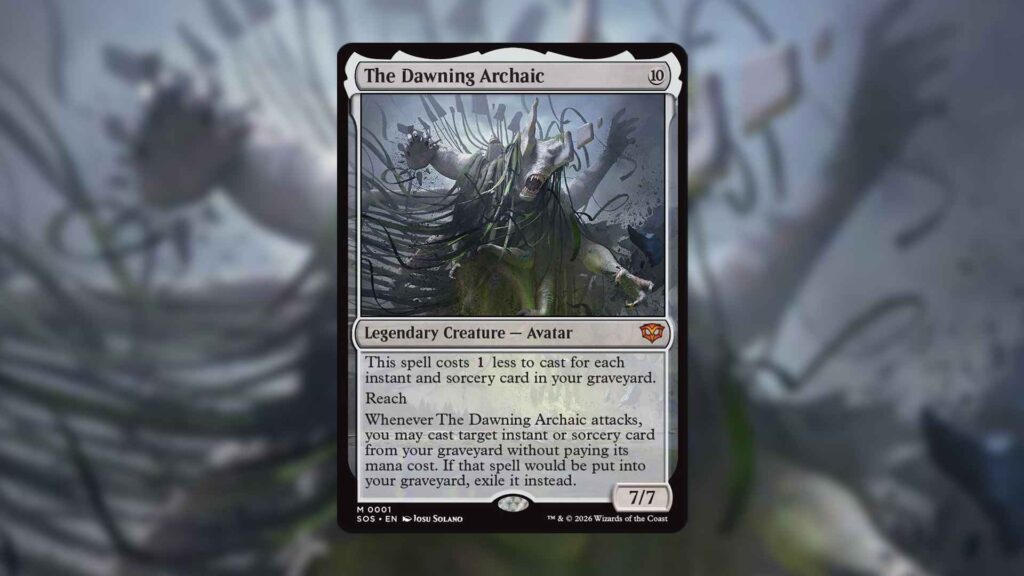
The Dawning Archaic offers players a puzzle to solve with an absolutely absurd reward. Casting this 10-mana behemoth for a reasonable casting cost is not an easy feat, but the creature offered here makes it genuinely worth trying.
While The Dawning Archaic easily slots into a spellslinger Commander deck, the creature could be good enough to see competitive play, as well. Izzet Spellementals, in particular, already want instants and sorceries in their graveyard to cheat out cards like Eddymurk Crab, giving the card an instant home. If Izzet Lessons needs an additional finisher, it’s not unrealistic to power this creature out for zero mana with the power of Artist’s Talent by its side.
More often than not, however, you might be taking a turn off to get this card into play. Things can go especially poorly if graveyard hate is prevalent in the format, but you can always just Rummage The Dawning Archaic away. While this makes The Dawning Archaic’s Standard pedigree hard to predict, the card could even see play in older formats like Modern. It’ll depend entirely on how easy it is to get this card out cheaply and how quickly it can enter play while still impacting the game.
MTG Pensive Professor
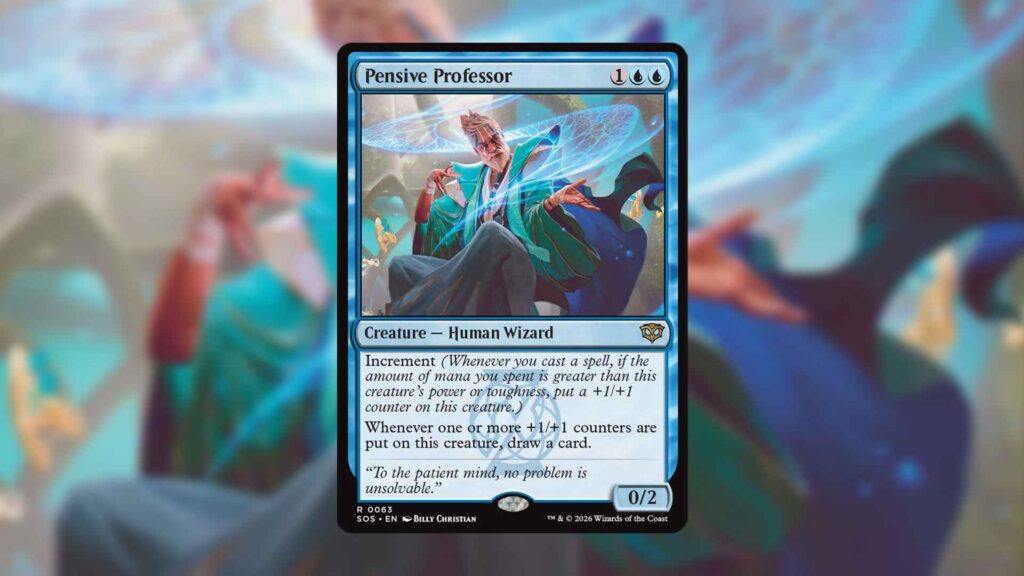
Showing off the new Quandrix Increment mechanic, Pensive Professor seems like an excellent addition to any +1/+1 counters decks in Commander. Even if you aren’t triggering Increment itself, this creature can easily refill your hand in a focused strategy. With Ms. Bumbleflower, for example, you can essentially draw an extra card each time you cast a spell.
Pensive Professor even creates infinite combos with cards released in Magic’s most recent set. Alongside Lyla, Holographic Assistant, this Human Wizard can draw your entire deck. Sadly, this doesn’t translate well to competitive, since Pensive Professor doesn’t make an immediate impact.
MTG Conciliator’s Duelist
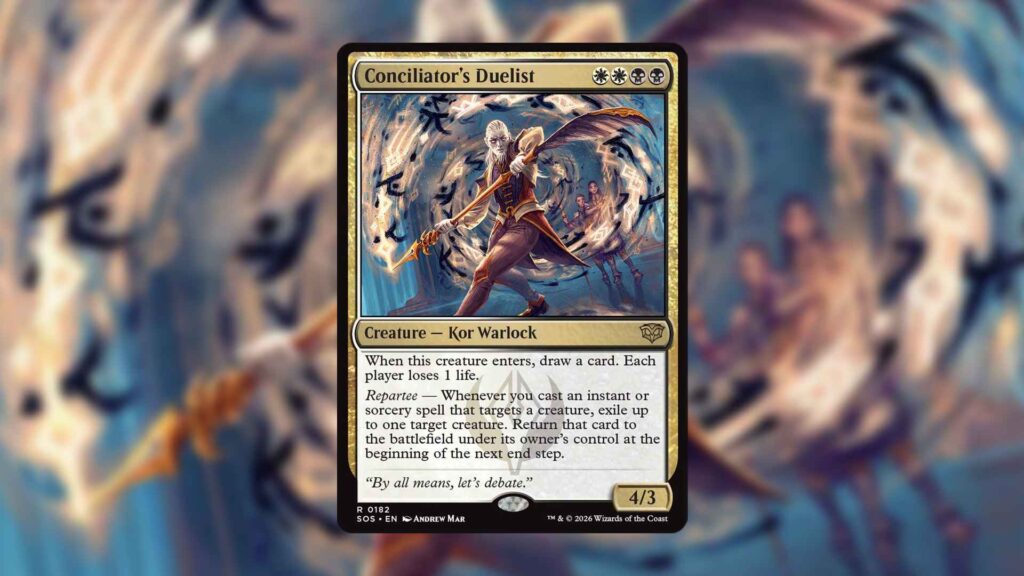
Conciliator’s Duelist is quite a powerful card, but the mana value it demands is steep. The Repartee ability here is extremely powerful, allowing this Duelist to easily slot into Blink Commander decks. Combine it with the entry ability, and you can turn any targeting instant or sorcery into a cantrip at absolute worst.
While the card has a great floor, the ceiling for Conciliator’s Duelist is even better. The blink ability can be used to fade blockers, permanently remove token creatures, and save your valuable creatures from removal. Considering all this, the WWBB mana value does seem appropriate, but that might sadly kill its playability. While there could be room for this in Standard, casting this creature and holding up a targeted spell is a difficult accomplishment.
MTG Exhibition Tidecaller
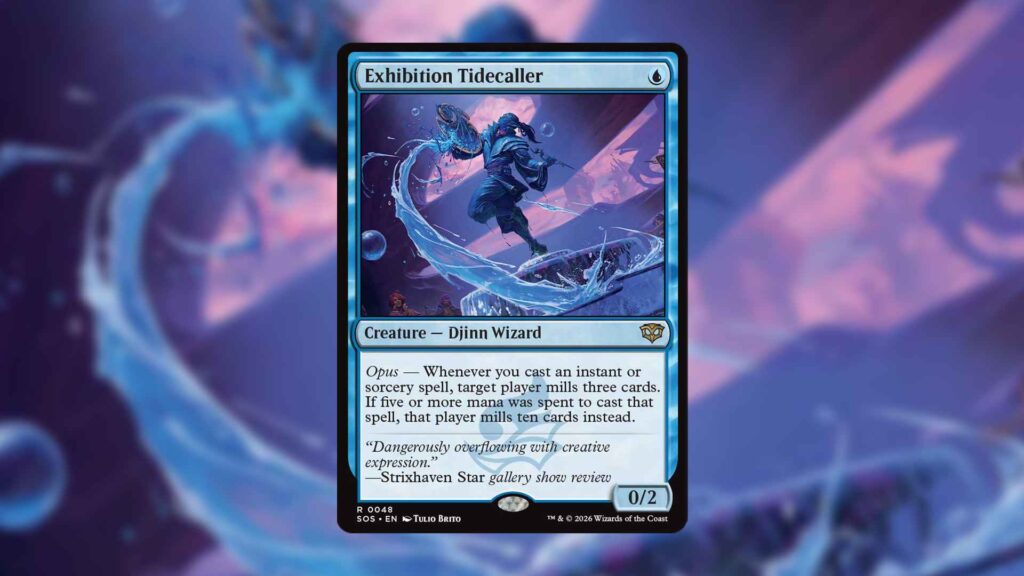
Modern’s most bizarre tier two niche deck may have just gotten a massive upgrade. Exhibition Tidecaller offers a new take on the Crab cards, offering a one-mana 0/2 that can mill opponents. This time, casting an instant or sorcery will mill a player three cards.
Outside of the Crabs themselves, Modern Mill only really plays instants and sorceries, making Exhibition Tidecaller something worth experimenting with. The mill 10 can occasionally come up, too, since Archive Trap will trigger Opus when it’s paid for in full. You can also use Tidecaller to fuel graveyard strategies aggressively, which could give it some play in reanimator strategies. All in all, this card is almost certain to see some play somewhere.
MTG Hardened Academic
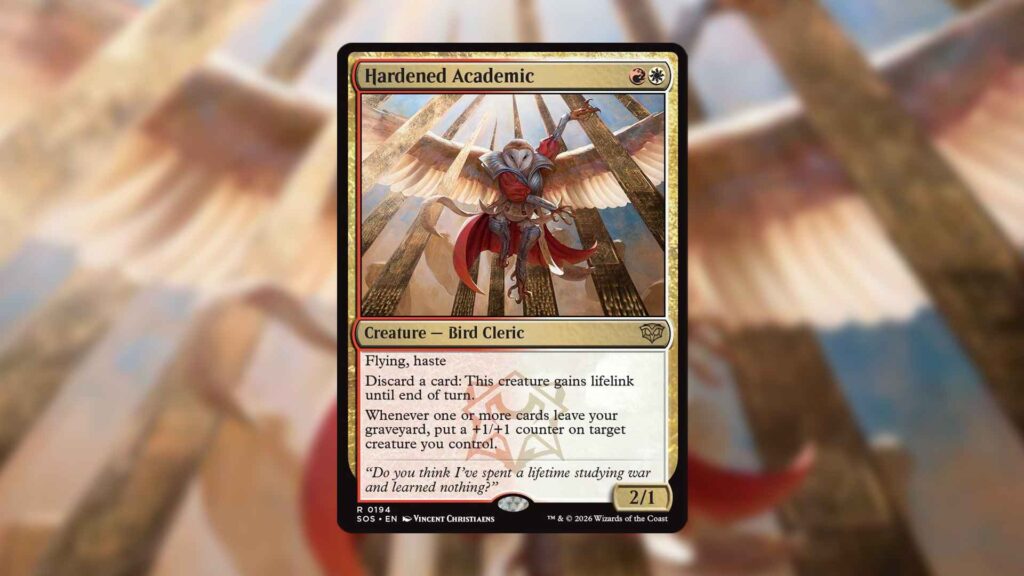
Hardened Academic has the potential to be an extremely strong card, but you do need to enable it. A Flying Haste creature might be enough on its own in some cases, but this Bird Cleric will easily get out of control if you can trigger its second ability.
Thanks to its color identity, it’s clear that Hardened Academic is intended to synergize with Flashback decks, but Standard does have the tools to make this card completely pop off. Partner Hardened Academic with Ketramose, The New Dawn, and you can grow your Academic while drawing extra cards. You can even discard extra draws to offset Ketramose’s life loss while triggering cards like Cool, but Rude, and Monument to Endurance. The only thing really holding this card back is its color identity, since many of the existing decks that want this card don’t play white.
MTG Wisdom of the Ages
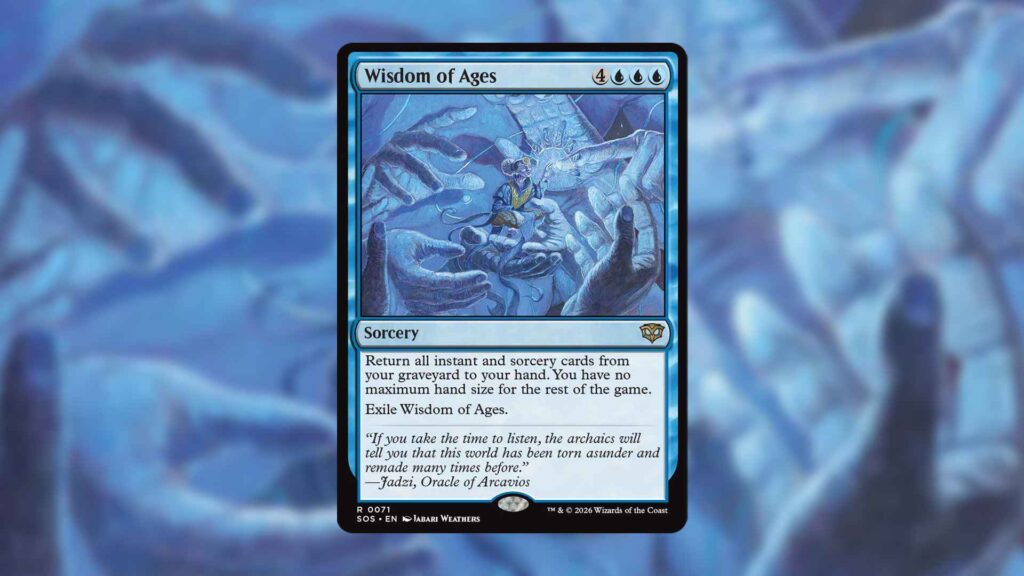
We’ve seen a few cards like Wisdom of the Ages before and, sadly, they’ve often failed to make a meaningful impact. Returning all of your instants and sorceries back to your hand should easily set up a win on the following turn, but for seven mana, you should just be trying to win the game outright. The inability of this card to impact the board on entry makes it extremely difficult for me to see Wisdom of the Ages as a competitive card. It is a great catch-up spell in Commander, though.
MTG Studious First-Year
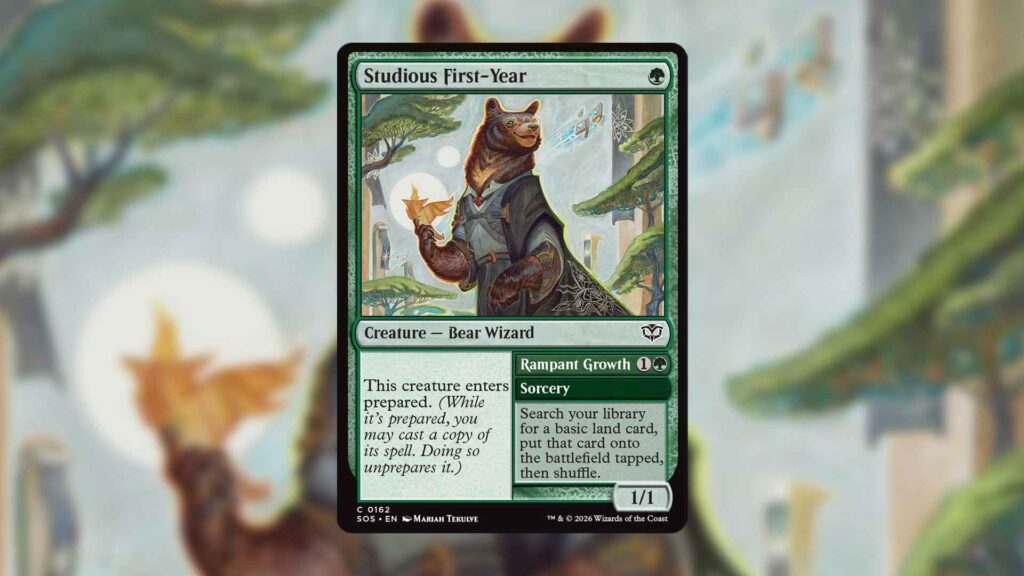
While Studious First-Year is the least exciting of the Prepare cards we’ve seen, it seems like an easy addition to a lot of Green decks. A blocker that ramps you, while fixing your mana, is fantastic for a Common. The Bear can do even more heavy lifting in Bear Typal or +1/+1 counter strategies that make its body matter. So long as you get the Rampant Growth off, Studious First-Year doesn’t come with the fragility of a mana dork, either, making it very interesting for any budget green deck.
MTG Graduation Day
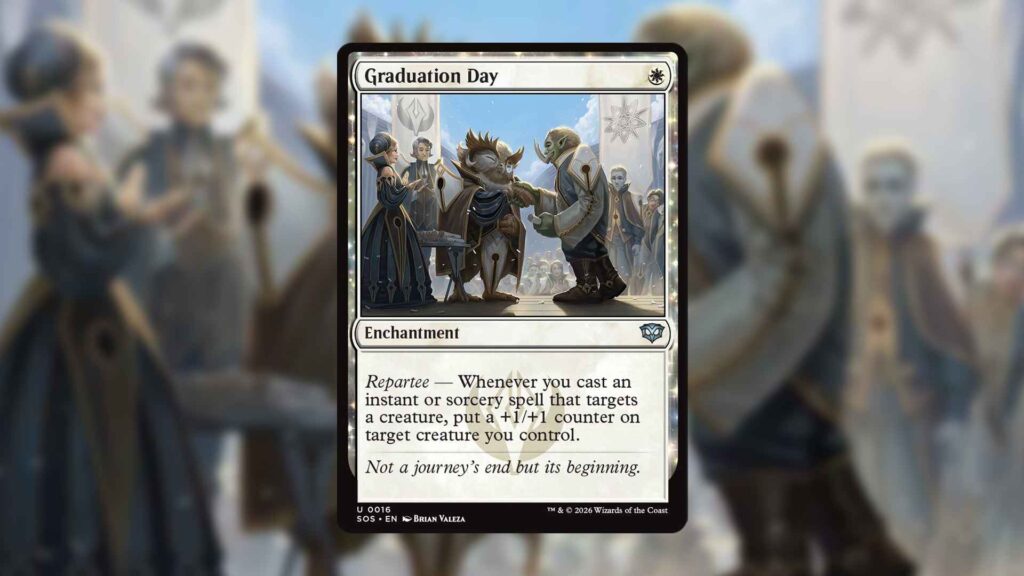
While not too exciting, Graduation Day does offer an upgrade to any deck using lots of targeted instants and sorceries. While Heroic decks, like Feather, the Redeemed can easily take advantage of this, this will also trigger when targeting your opponent’s creatures. This makes the card particularly scary in Limited, allowing your creatures to outsize your opponents whenever you cast removal.
All of that said, Graduation Day is a do-nothing enchantment on its own, but the extremely affordable mana value does help offset this cost. This seems like a spell that some Commanders will do great things with, but I’m unsure if it will break into competitive play.
MTG Pest Mascot
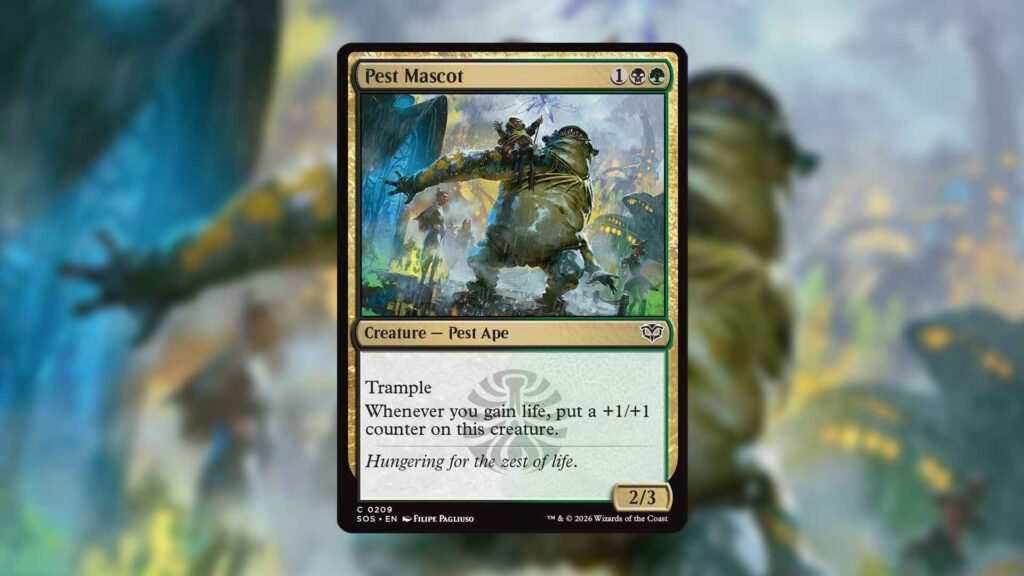
While not exciting at first glance, Pest Mascot has some crazy infinite combo potential. Easily creating infinites with Agatha’s Soul Cauldron, Walking Ballista, and a lifegain enabler, this adds to the long list of +1/+1 counter lifegain infinites using cards like Ajani’s Pridemate. Since the Mascot is a common, there is a slim chance it impacts Pauper, considering that Ajani’s Pridemate has never been printed as a common.
Slow Lands Return
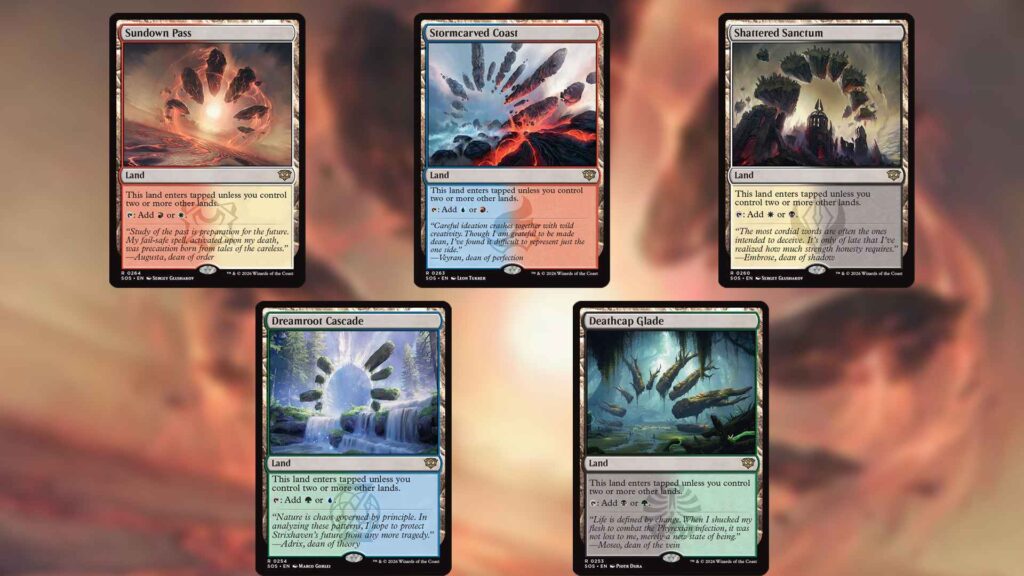
Last, but certainly not least, is the return of the Slow Land cycle in Secrets of Strixhaven. Five of the ten dual lands will be available for players to grab, which are surprisingly meaningful reprints for Commander. Deathcap Glade, in particular, is surprisingly a $10 card, making this a very welcome reprint.
Sadly, since many of these slow lands have been reprinted in Commander precons, their overall pricetag varies quite a bit. Dreamroot Cascade, recently reprinted in Tarkir: Dragonstorm Commander, for example, is less than a dollar, while Stormcarved Coast is still $4. Considering the current speed of Standard, the cost on these lands is a dire one, too, since failing to interact in the opening turns can snowball into a loss.
While the Land cycle reprint is a bit of a miss, Secrets of Strixhaven, overall, looks like a very exciting set. With tons of splashy, powerful cards for Commander, and some interesting Standard tools too, there should be something for everyone in Magic’s newest in-universe set.
Stick with us at mtgrocks.com: the best place for Magic: The Gathering coverage!