



Over the years, many MTG cards have been printed that are capable of running away with games almost singlehandedly. As power creep has been on the rise, these cards that feel like “I win” buttons have only become more popular and more efficient.
Unsurprisingly, these designs don’t always lend themselves to the most fun of gameplay experiences. In fact, players have begun voicing their frustrations with some of the newer tools, many of which see ample play in Standard and beyond. Things are starting to look bleak, and the direction we’re headed is concerning.
The Problem
Last week, an interesting yet simple Reddit post garnered a lot of attention. Reddit user The_Gav_who_asked shared the cards they hate playing against the most in MTG Arena, and the post was met with a boatload of MTG community members sharing their own opinions. While a variety of frustrating cards were mentioned, many share a common issue: they leave the opponent with a very narrow window to interact before the game is taken over.
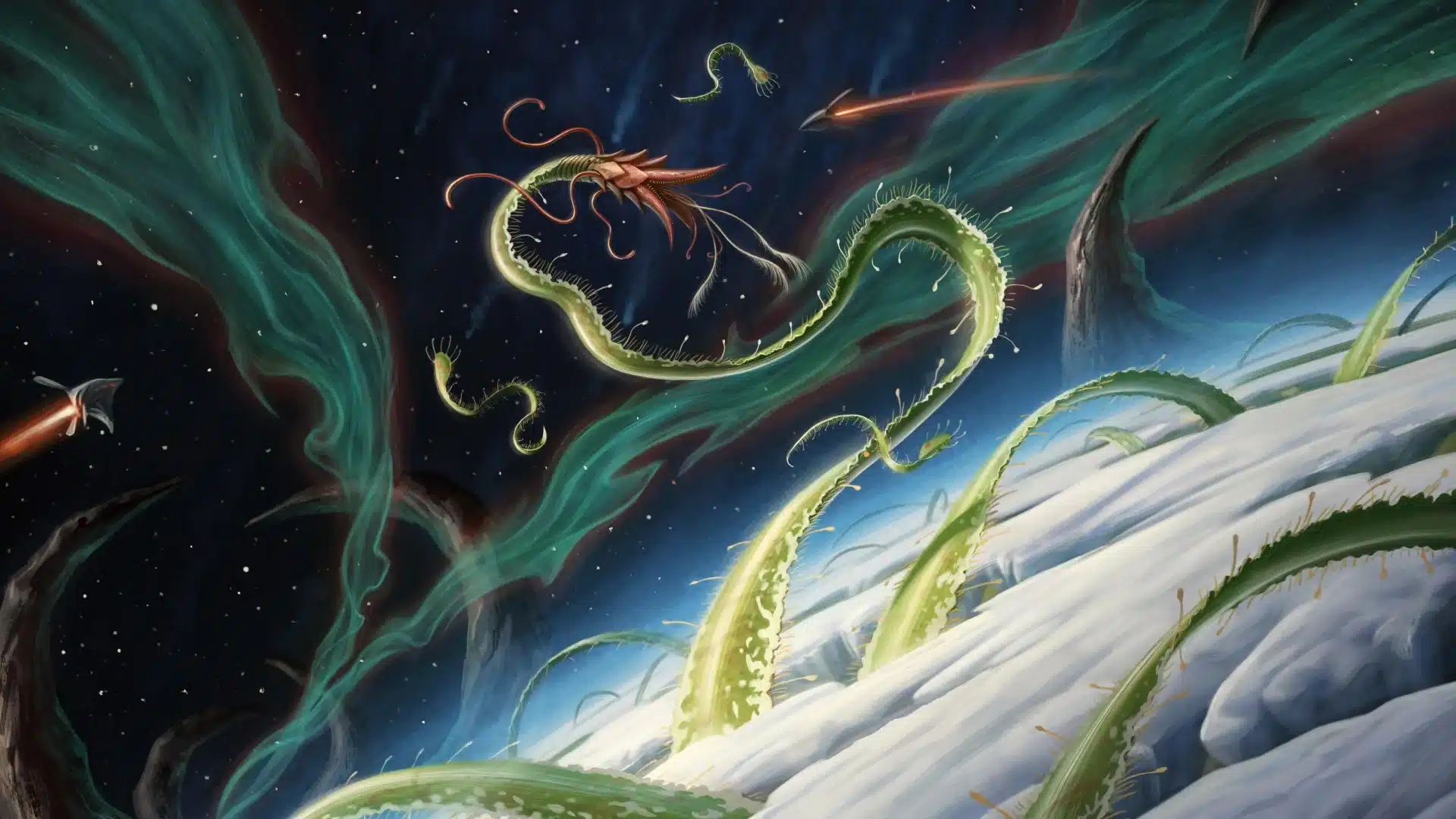
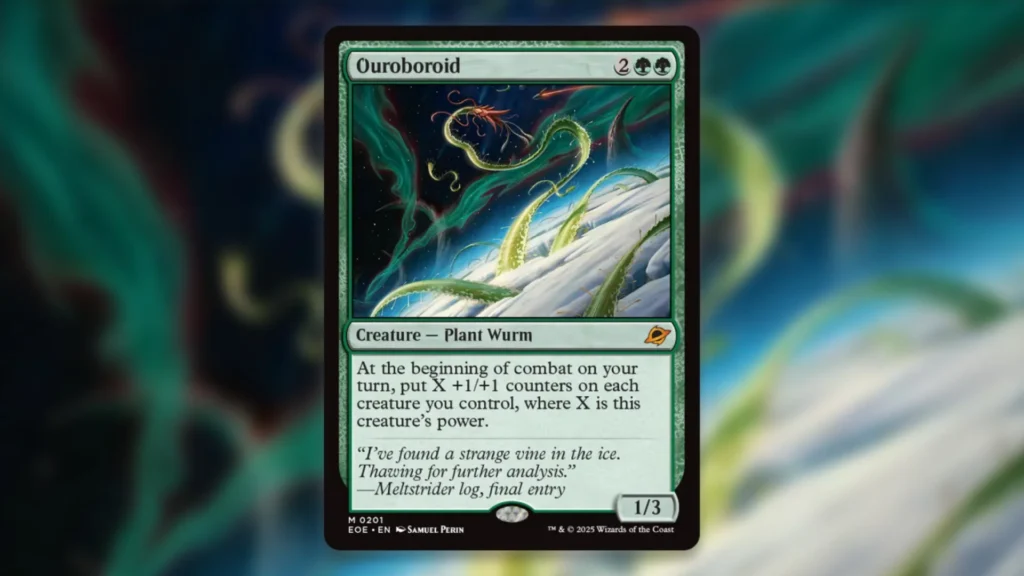
Interestingly, a large percentage of these game-wrecking cards aren’t actually big combo haymakers, but instead easy to play threats. Ouroboroid, for instance, requires very little setup cost to be great. In the context of the go-wide Simic Aggro shell in Standard, sometimes, all it takes is just making it to combat to cement your advantage. Things only get worse when you factor in the presence of four copies of Badgermole Cub, which makes it trivial to pull super far ahead if left unchecked. Of course, Cub has applications in combo decks like Bant Airbending, where the extra mana it generates can lead to absurd sequences.
Some of the other creatures that were brought up, much like Cub, have combo applications but are surprisingly easy to set up. The opportunity cost to playing a two-mana creature like Tifa Lockhart is quite low, and if you don’t answer it, you risk dying on the next turn. Obviously, Superior Spider-Man requires major deckbuilding restrictions, but because it only costs four mana, all you have to do is cast it once your graveyard is stocked and reap the rewards. Even Omniscience, which in theory costs ten mana, can be cheated into play by Kona, Rescue Beastie on the cheap. Outside of Standard, the general hate for cards like Thassa’s Oracle and archetypes like Legacy Oops! All Spells drive the point home further.
This isn’t the first time players have complained about incredible creatures that demand the right answer immediately. After all, Sheoldred, the Apocalypse was no stranger to discussions during its reign in Standard, and some players felt like the decision not to ban it was a mistake. At least in Sheoldred’s case, though, upping your removal count to beefy threats was a reasonable way to combat the menace. In today’s Standard, things are a bit more complicated.
Fighting All the Variables
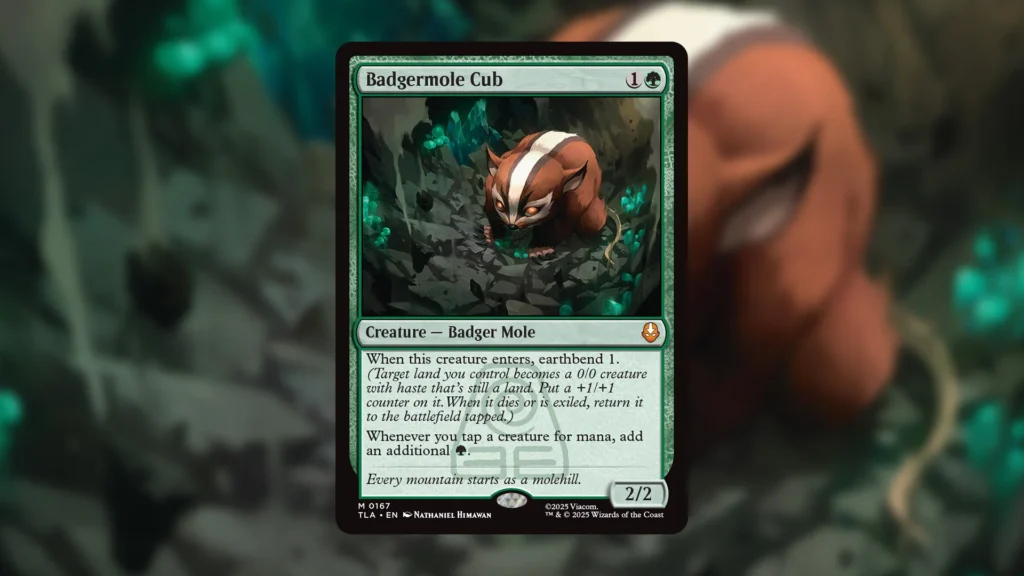
A large part of what makes the current Standard environment worrisome is that the majority of game-breaking plays being discussed require different answers, and presenting a game plan against a multitude of variables is difficult. Cub and Tifa, for instance, are so efficient that if you want to maintain pace, you really want to utilize super cheap removal spells like Burst Lightning and Stab. The problem is that these cards don’t have the range to kill Ouroboroid on the cheap. Similarly, they fail to kill Kona, Rescue Beastie out of Simic Omniscience.
This doesn’t even take into account the fact that in certain matchups, if you give your opponent enough time, some more versatile removal spells, such as Shoot the Sheriff, become ineffective. Eventually, your Simic Omniscience opponent will be able to find Kona, a Station land, and Lost in the Maze, allowing them to go off in one turn without exposing Kona at all. Plus, the existence of Cavern of Souls means counter magic often won’t do the trick against multiple different threats, either.
Because every answer has tradeoffs, your best path to victory is to strike a healthy balance between pressure and the specific disruption needed to stop your opponent. Unfortunately, you won’t always have a perfect curve rolled up, and if you’re playing best-of-one on MTG Arena, you’re faced with additional quandaries.
Best-of-One Exacerbates these Issues
One of the biggest appeals of MTG Arena is its convenience, especially if you have a time crunch. In this sense, it’s no surprise that best-of-one is the preferred method of ladder-climbing for many players, but playing matches without an opportunity to sideboard only exacerbates Standard’s threat problem.
Hyper-focused hate cards like Rest in Peace that actually line up well against Sultai Reanimator but have no use in most matchups are simply not worth playing, which makes Superior Spider-Man an even more toxic card to face. On the flip side, cards like Pinnacle Starcage that are useful against a mix of aggressive decks, including those with Cub, run the risk of being completely dead versus Sultai Reanimator and Simic Omniscience. Even Day of Judgment, which has more utility against Reanimator, can suffer from being too slow in the face of Landfall or Mono-Red.
Playing reactively is typically harder to do in best-of-one since you won’t know what interactive elements you’ll need during your mulligan decisions. At the same time, given how insanely efficient the must-answer threats are nowadays, you risk losing in swift fashion if you don’t mess with the opponent. Power creep is a dangerous trend, and we’re still seeing its repercussions.
Stick with us here at mtgrocks.com: the best site for Magic: The Gathering coverage. Be sure to check out our deckbuilder for your next big brew!