


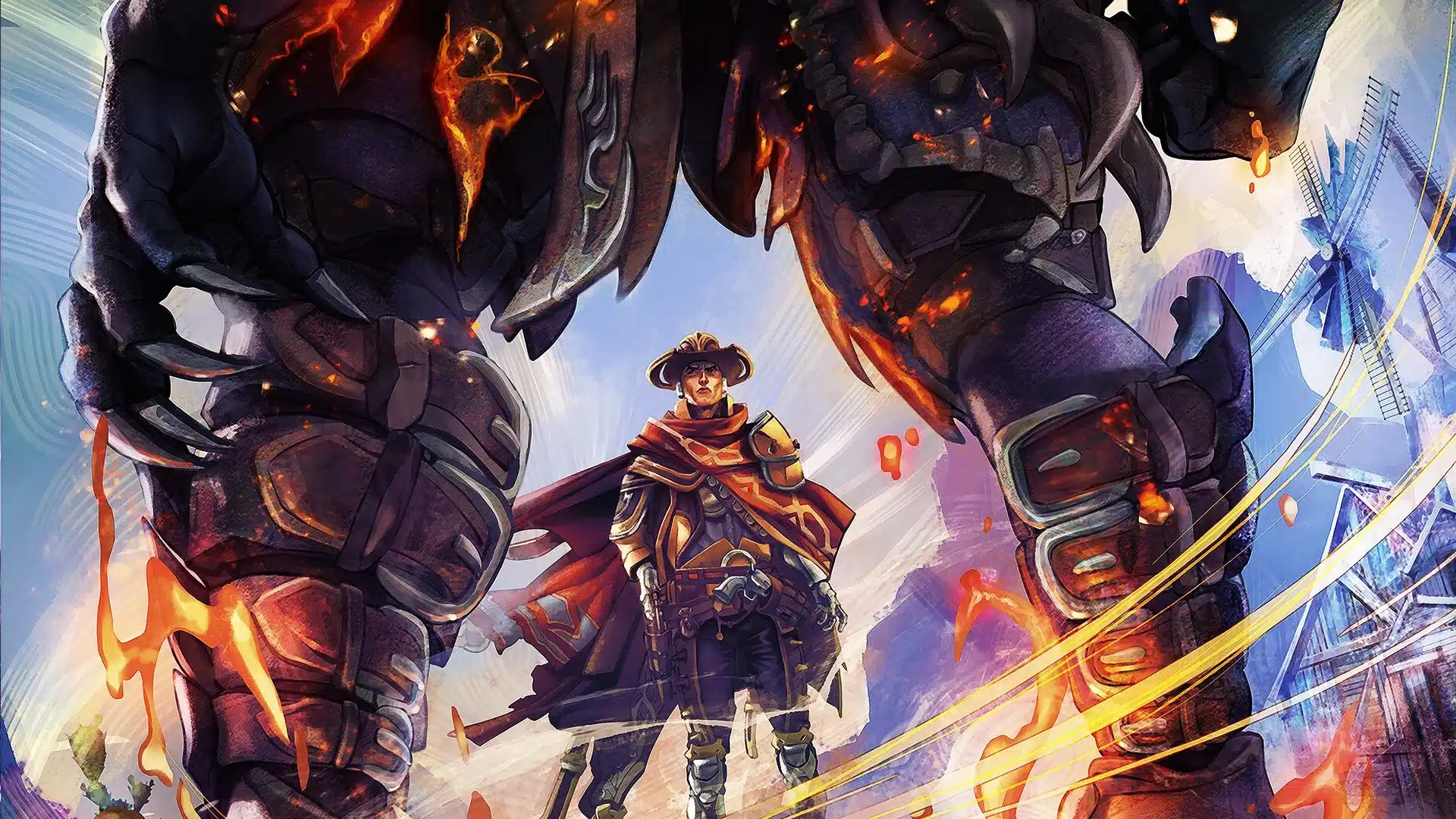

The sudden appearance of fast mana in Historic had many MTG players worried. With decks like Ruby Storm capable of turn-one wins, it felt like a surprisingly lax preban list would lead to a horrid format. While these new cards certainly impacted Historic, the format was, surprisingly, more than ready to handle it. As showcased by Arena Championship 12, the battle between combo and anti-combo has been won by a new yet already iconic MTG Stax piece.
MTG High Noon
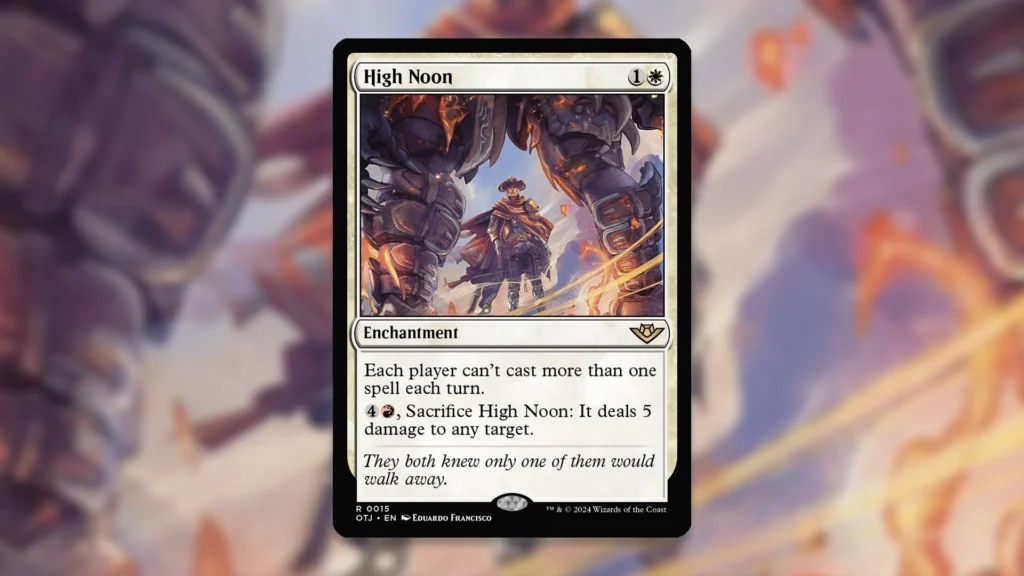
Placing a Rule of Law effect on the table for just two mana, High Noon is the bane of all combo players’ existence. Thanks to this, the card’s namesake archetype was the most successful Historic deck in Arena Championship 12 this past weekend. On top of having the largest metagame representation, this deck made up half of the top four for the event.
Despite its breakout success, Azorius High Noon has been a part of Historic for quite some time. Using its namesake enchantment and Archon of Emeria, this deck aims to stop players from casting more than one spell per turn. Once established, Azorius High Noon leverages Flash creatures like Aang, Swift Savior, Aven Interruptor, and Spell Queller that essentially function as counterspells. This synergy prevents opponents from playing the game while presenting a growing clock with each passing turn.
In addition to shutting your opponents down with instant speed creatures, this High Noon synergy also supercharges temporary counterspells like Reprieve and Remand. While opponents can normally recast the cards that these bounce with their remaining mana, High Noon stops them cold. This turns the archetype into the ultimate tempo nightmare, punishing any opponent who falls behind even one step.
Thanks to this game plan, Azorius High Noon decks have some extremely advantageous matchups among Historic’s best decks. Between all the countermagic and the hate pieces, Ruby Storm, Jund Breach, and Black Storm are almost unlosable matchups. While Izzet Phoenix can fight back against High Noon, shutting down their multicasting also makes it a strong matchup.
Sadly, despite being extremely well-positioned, Azorius High Noon does have its weaknesses. Interactive decks that can get on board quickly, like Orzhov Blink and Dimir Frog, can get an early tempo advantage over High Noon, which can be hard to reverse. Successful High Noon variants run a fair few cheap removal spells, like Dismember and Fragment Reality to aid this, but the archetype was ultimately taken down in the top four of the Arena Championship.
Other Formats
In addition to High Noon’s Arena Championship 12 success, a similar archetype has seen some Standard success, too, top-eighting at Pro Tour Secrets of Strixhaven. Similar to Historic, Standard’s Azorius High Noon also has some incredible matchups, making life extremely difficult for Izzet Prowess. Despite this, thanks to recent developments like Mardu Discard, Azorius High Noon remains a fringe, but playable archetype in Standard.
While High Noon as an archetype doesn’t exist outside of Standard and Historic, the card still sees lots of play across formats. The Stax piece is an extremely common sideboard card in white Modern decks, for example, shutting down the likes of Ruby Storm, Modern Prowess, and slower 8-Mox Builds. Pioneer Control decks have also adapted the enchantment, using it to shut down the same flavor of combo and Prowess-style decks.
Despite its color identity holding it back a bit, High Noon even sees a fair amount of Commander success, appearing in over 17,000 decks according to EDHREC. The card is most popular with high-bracket Commanders that don’t need to cast lots of spells to take over the game, like Winota, Joiner of Forces.
A Necessary Balance Piece
While Stax cards might not be the most fun to play against, High Noon has interestingly become the perfect balancing tool for MTG Historic. Decks that beat High Noon lose to the decks that the archetype preys on, making it an important lever for balance. This introduces a similar dynamic to Badgermole Cub in Standard, encouraging metagame churn week after week.
Sadly, unlike Standard, MTG Historic doesn’t have much of a tournament scene because it’s a digital format. We may not be able to see the format develop in real time, but it should keep ladder play fresh for Historic enjoyers. With no deck being truly unbeatable, any MTG player can find a deck that they vibe with.
Stick with us here at mtgrocks.com: the best site for Magic: The Gathering coverage. Be sure to check out our deckbuilder for your next big brew, and our brand new MTG Rocks Podcast!