


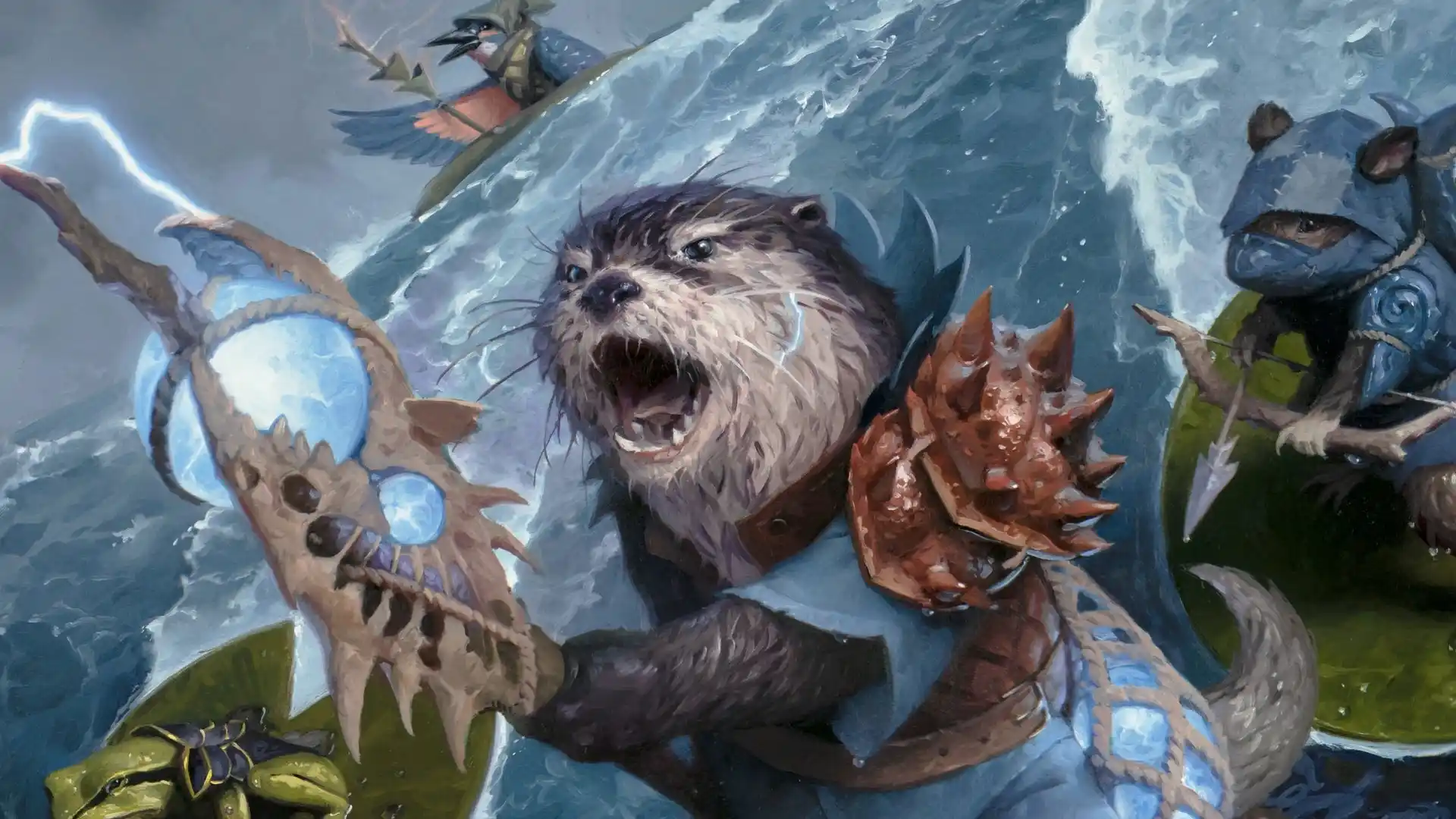

This past weekend, nearly 1,200 players gathered to compete for Pro Tour invites at the Regional Championship in Milwaukee. Unsurprisingly, many well-established archetypes like Izzet Lessons and Mono-Green Landfall showcased strong performances.
Interestingly, though, some rogue strategies also put up high win rates. One deck in particular, centered around a common mana rock from Lorwyn Eclipsed, boasted a 60% win rate, with one player finishing with an 11-4 record. Utilizing Otter synergies to its advantage, this shell could prove to be the new hotness moving forward.
Valley Floodcaller and Firdoch Core
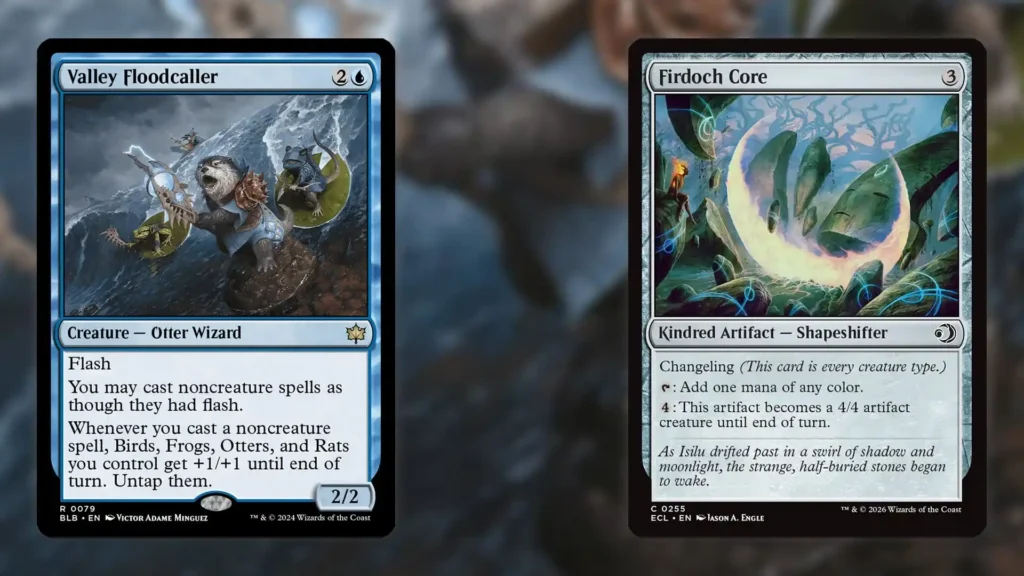
Following the release of Bloomburrow, it didn’t take long for players to discover how powerful Valley Floodcaller was. The Otter’s ability to both grow and untap your squad with every noncreature spell cast made the card easily abusable. Its synergy with Enduring Vitality helped give rise to the Temur Otters archetype in Standard, which unfortunately fell out of favor in recent months.
Now, with the release of Lorwyn Eclipsed, Valley Floodcaller decks are starting to experience a resurgence in a new form thanks to a Lorwyn Eclipsed mana rock. As a three-drop mana rock, Firdoch Core may not look super special on the surface. Yet, because of its Changeling ability, you have the luxury of untapping it each time you cast a noncreature spell with Valley Floodcaller in play. Because of this, these two cards alone let you chain one-mana spells together, including Stormchaser’s Talent, Boomerang Basics and Sleight of Hand.
Once you get two copies of Firdoch Core in play, closing games becomes significantly easier, since you’ll be able to actually net mana each time you cast a one-mana spell. All your two-mana spells like Get Out and Consult the Star Charts become mana neutral as well, giving you a great chance to cast a flurry of spells in one turn.
Part of what makes Firdoch Core such a powerful addition is that it isn’t vulnerable to creature removal until it’s animated. At the same time, each noncreature spell you cast prior to its animation still grows it, so there’s no pressure to turn it into a creature until you can set up a lethal attack. Of course, in some games, simply buffing your Stormchaser’s Talent tokens and Valley Floodcallers will be enough to win the game by themselves.
To further increase the consistency of being able to one-shot your opponent, this deck even gets to utilize a playset of Restless Anchorage. Because the manland is a Bird once animated, it will also get to untap and grow with each noncreature spell cast.
Finding Your Combo Pieces
As powerful as this archetype is, it is quite reliant on finding Valley Floodcaller and Firdoch Core to even function. You will occasionally be able to apply early pressure with multiple copies of Stormchaser’s Talent and Boomerang Basics, but in general, this deck’s big combo turns give it its identity.
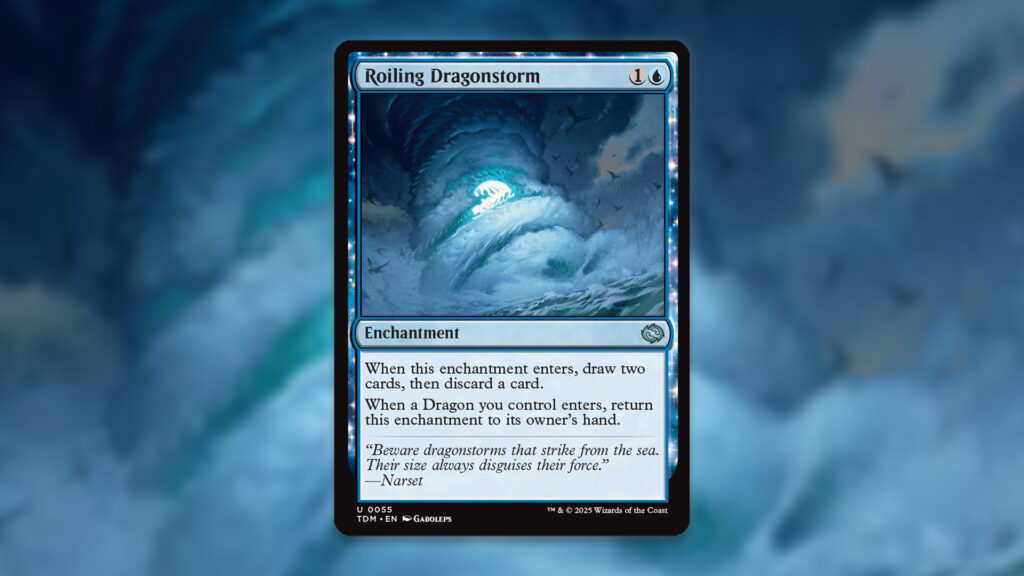
Luckily, this is where Roiling Dragonstorm becomes a key part of the equation. Early in the game, you can cast it to dig for your missing combo pieces. Once you find and resolve Firdoch Core, you get to bounce Roiling Dragonstorm back to your hand since Firdoch Core counts as a Dragon. This keeps the card advantage flowing so you can find more copies of Firdoch Core and eventually set up a combo kill.
If Firdoch Core’s Otter and Dragon synergies weren’t enough, this deck even incorporates two copies of Sygg’s Command to copy the common artifact. This will, in turn, trigger Roiling Dragonstorm again. With all of these unique tools at your disposal, this shell is well set up to win grindy games.
Strengths and Weaknesses
Ultimately, while Azorius Otters is just starting to make a name for itself, the deck has a lot going in its favor in the current metagame. Many of the top decks in Standard, including Izzet Lessons, Izzet Elementals, and Dimir Excruciator are slower strategies that give Otters time to develop.
Plus, this deck’s gameplan of generating lots of value with Roiling Dragonstorm and Stormchaser’s Talent is hardly vulnerable to the wealth of removal spells these decks typically feature. In fact, Christopher Henderson, the top performing pilot at Regional Championship Milwaukee, boasted a perfect 8-0 record when facing these strategies!
On the flip side, though, Azorius Otters can run into trouble versus decks that put you on the backfoot right out of the gates. Even with Seam Rip and Split Up to help, matchups like Mono-Green Landfall are far from easy. Mightform Harmonizer is especially powerful since it can set up one-hit kills that your sorcery-speed removal and bounce spells fail to disrupt.
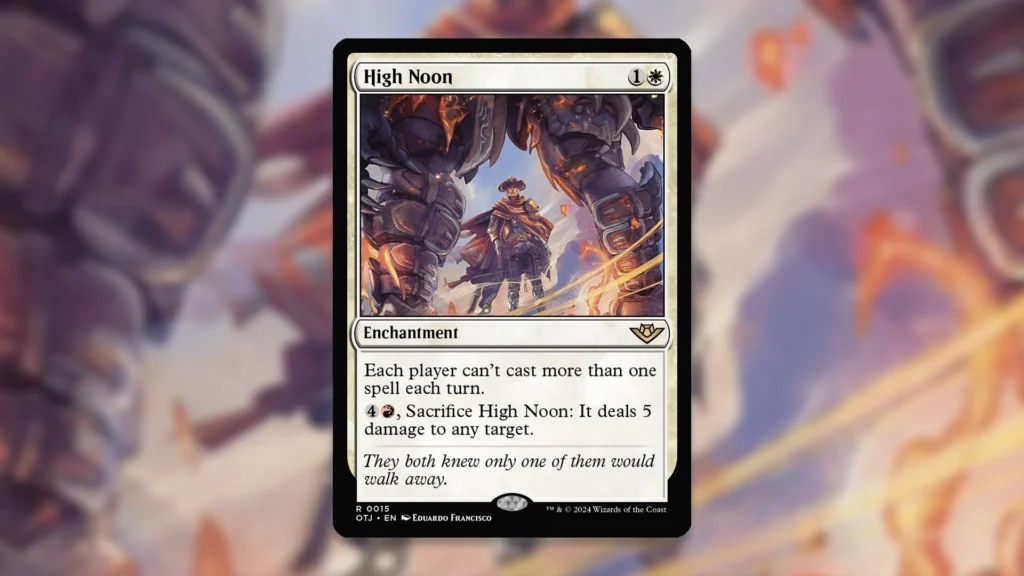
Meanwhile, Azorius Tempo gets to bring High Noon to the table, which completely messes up your big turn potential. Seam Rip and Get Out can help keep it off the board, but once it sticks, fighting through the deck’s array of tempo plays like Aven Interrupter and Aang, Swift Savior becomes much more difficult.
In this sense, Azorius Otters is far from a foolproof deck. Nonetheless, there’s no denying its powerful lines of play. With plenty of room for exploration still available, it’ll be cool to see how the deck performs in the coming weeks. Don’t be surprised if it starts to pop up more and more.
Stick with us here at mtgrocks.com: the best site for Magic: The Gathering coverage. Be sure to check out our deckbuilder for your next big brew!