


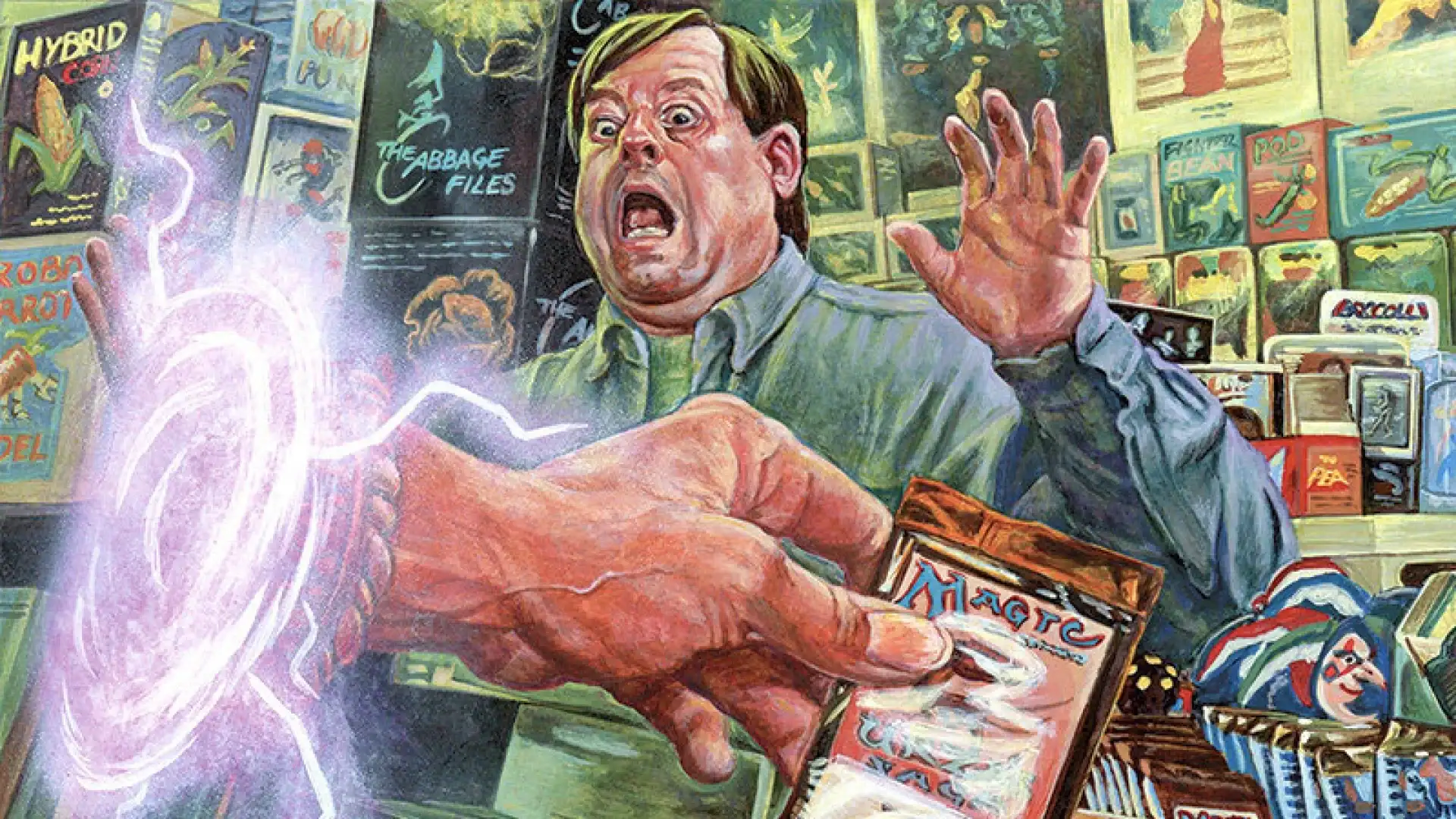

“Magic: The Gathering Arena,” or “MTG Arena” for short, as it’s known, is a free-to-download digital, collectible card game that relies heavily on microtransactions to drive revenue. The game features the full card sets in the Standard format, and the developers add tons of new cards each year. The game’s monetization model places it in a unique space between trading card games (TCGs) and digital live-service games.
Whereas “MTG Arena” features boosters, cosmetics, wildcard systems, and more to bring in revenue, other games such as “Hearthstone” and “Fortnite” employ different models. Below is a look at the monetization of “MTG Arena,” how it compares to the models in these other games, as well as in online casinos, and at players’ and industry perception of “MTG Arena” monetization.
The microtransaction structure of MTG Arena
Clearly, the Wizards of the Coast (WOTC) studio family invests real energy and resources in developing the best possible platform. As part of this, they’ve made a host of products available to players in the Arena store. The game has two currencies: gold, which can be acquired daily through events, and gems, which players can earn either by paying real money or by playing events, similar to winning at an online casino.
Wildcards
Similar to bonuses at an online casino, players can earn gold to buy packs that may contain wildcards, but rare or mythic ones can also be purchased in a bundle. Wildcards can be traded in to create cards of the same rarity.
Cosmetics
Cosmetics are pricey items in the game and enhance the gaming experience. However, they’re non-functional within the game itself, merely enabling players to customize their profiles, cards, and deck(s).
Events
Events are competitive formats in the game that require an entry fee in gold and offer exclusive opportunities to earn gems. Much like an online sweepstakes or lottery, instead of the usual gambling options, they place hundreds of gems up for grabs and end after a certain number of wins or losses. The number of gems awarded depends on the results.
MTG Arena microtransactions vs other games
“MTG Arena” is free to play, and it’s possible to play a full game without all the extra features. Players can also conduct microtransactions to customize their experience in the game, through the purchase of cosmetics, and can influence game progress with items such as boosters. Microtransactions consist of one-off purchases, but the makers offer discounts.
This is similar to Fortnite, which is also free to play and uses a seasonal “Battle Pass” system. By purchasing the Battle Pass, players unlock additional cosmetic rewards and progression tiers, but core gameplay and map updates remain available to all players. In the same way, players can spend on extras like “V-Bucks,” the in-game currency used for customization. The overall takeaway is that while Fortnite is enjoyable without spending, many players eventually choose to invest in optional content, much like in Magic: The Gathering Arena, which also offers paid progression systems tied to set releases.
Hearthstone, like Magic: The Gathering Arena, is free to play but allows players to accelerate their progress through in-game purchases. Players can buy card packs, craft specific cards, or even purchase ready-made decks, giving them faster access to competitive strategies. However, this model is broadly comparable to Magic: The Gathering Arena, where players can also spend currency to build decks more quickly. In both games, spending can speed up progression, but neither strictly prevents free-to-play users from competing with enough time and effort.
Summary
“MTG Arena”’s economy blends collectible-card randomness with digital convenience. Depending on a player’s goals, the game can be rewarding and/or expensive. As a digital TCG player, one of the best things to do is compare “MTG Arena” to other games so you can decide how much to invest. Developers should also study their competition the same way so they can refine their monetization models.
Stick with us at mtgrocks.com: the best place for Magic: The Gathering coverage!