


One of the newer mechanics in Magic: the Gathering is Treasure Tokens. These little tokens are pretty powerful and can help enable tons of different strategies. That being said, the mechanic has recently gotten a ton of support, so much that we can build a whole deck around it! Today, we’ll take a look at how you’d want to go about building a deck based around Treasure Tokens.
Picking your Colors
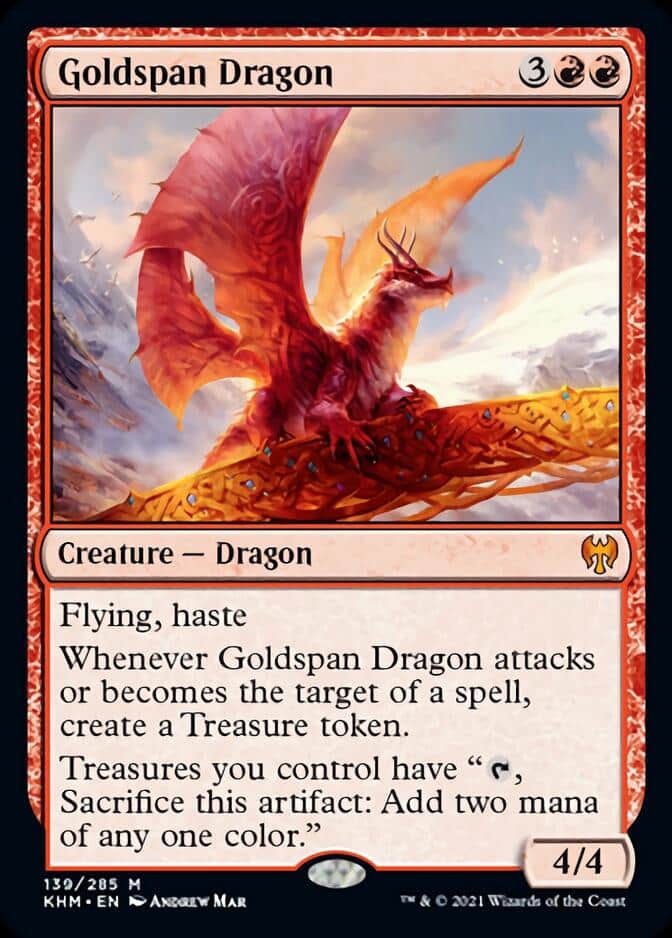
There’s a few different ways that you can go about building a Treasure Deck, but it all starts with what colors you’re working with. Red is going to be the primary base color, as that’s the color that has the most support for Treasures. Depending on the format that you’re looking to build in, here are a few cards that you’ll want to look for.




Adding Blue
Once we have some core red cards, we can then start looking at second colors. In this case, Blue seems to be the next logical choice, due to the amount of cards that support it, but Black is a close second place here as well. If you’re going with Blue, then you’re looking to play a more spell based deck, or potentially an artifact based strategy. Here’s a few cards that you could look at to play into this.


Black and Green Make Jund
Now looking at black as the secondary option, black is definitely more creature focused, and has some a good deal of removal as well. Here’s some cards in black that you’ll want to consider.


There’s a couple of commanders noted here, namely
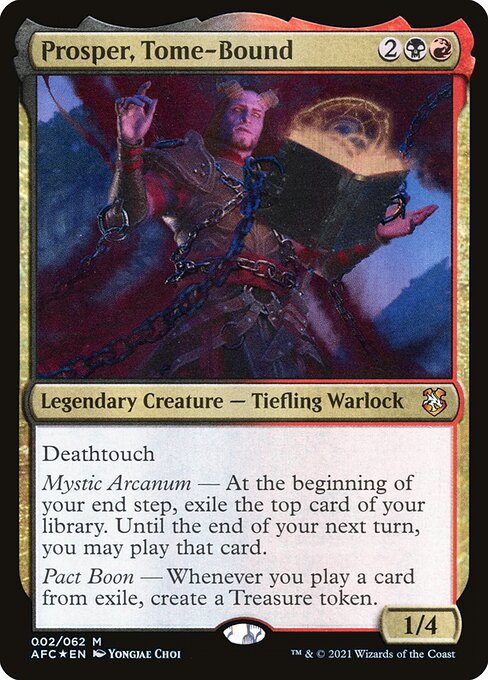
Prosper, Tome-Bound
 Prosper, Tome-Bound
Deathtouch
Prosper, Tome-Bound
Deathtouch
Mystic Arcanum — At the beginning of your end step, exile the top card of your library. Until the end of your next turn, you may play that card.
Pact Boon — Whenever you play a card from exile, create a Treasure token.
, or
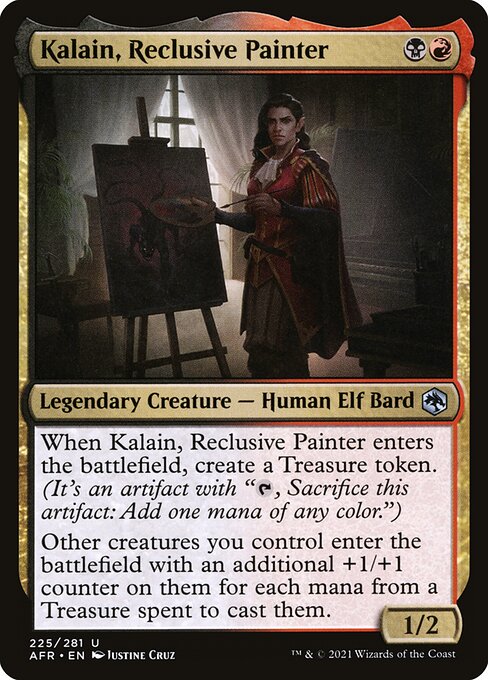
Kalain, Reclusive Painter
 Kalain, Reclusive Painter
When Kalain enters, create a Treasure token. (It's an artifact with "{T}, Sacrifice this token: Add one mana of any color.")
Kalain, Reclusive Painter
When Kalain enters, create a Treasure token. (It's an artifact with "{T}, Sacrifice this token: Add one mana of any color.")
Other creatures you control enter with an additional +1/+1 counter on them for each mana from a Treasure spent to cast them.
. While there aren’t nearly as many cards for black, this deck has a pretty natural pairing with some green cards and can lend itself to a full Jund deck.


We don’t have a Jund treasure commander, but we’d most likely look for something like
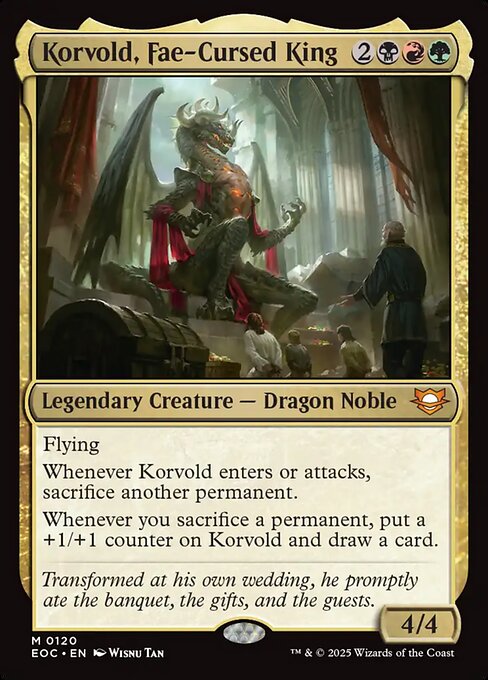
Korvold, Fae-Cursed King
 Korvold, Fae-Cursed King
Flying
Korvold, Fae-Cursed King
Flying
Whenever Korvold enters or attacks, sacrifice another permanent.
Whenever you sacrifice a permanent, put a +1/+1 counter on Korvold and draw a card.
or
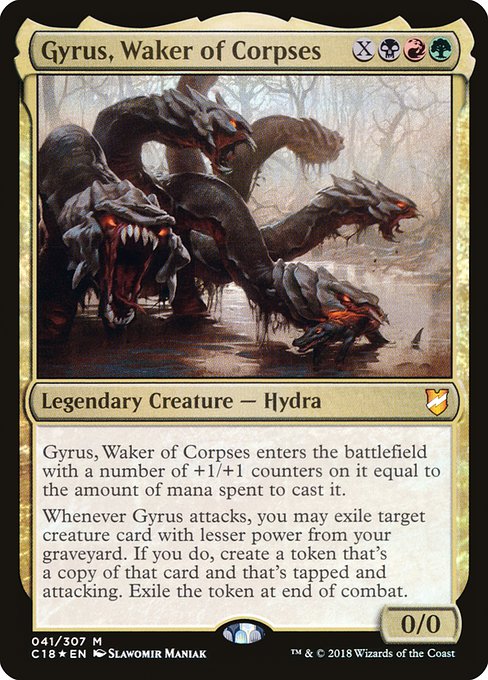
Gyrus, Waker of Corpses
 Gyrus, Waker of Corpses
Gyrus enters with a number of +1/+1 counters on it equal to the amount of mana spent to cast it.
Gyrus, Waker of Corpses
Gyrus enters with a number of +1/+1 counters on it equal to the amount of mana spent to cast it.
Whenever Gyrus attacks, you may exile target creature card with lesser power from your graveyard. If you do, create a token that's a copy of that card and that's tapped and attacking. Exile the token at end of combat.
.
What about White?
White doesn’t have lot in the way of supporting Treasure tokens, but what it does have is pretty powerful.

Smothering Tithe
 Smothering Tithe
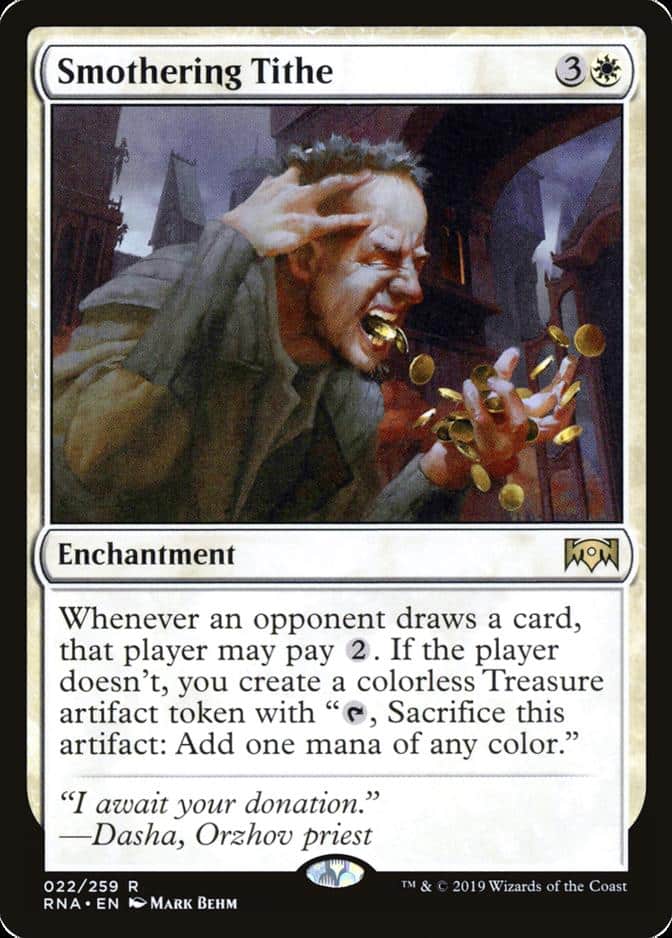
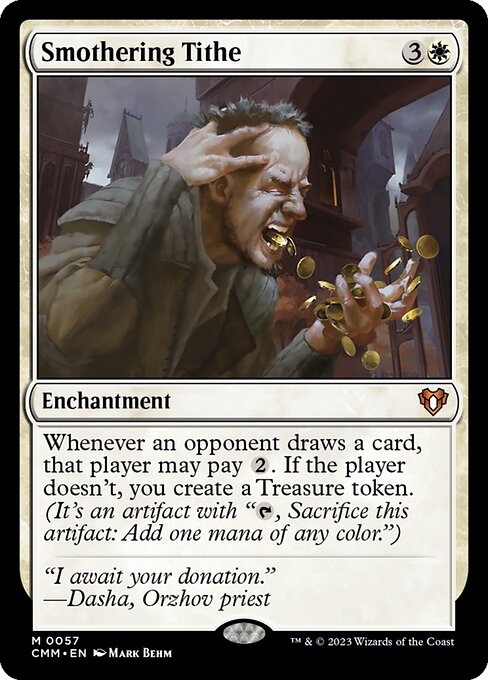
Whenever an opponent draws a card, that player may pay {2}. If the player doesn't, you create a Treasure token. (It's an artifact with "{T}, Sacrifice this token: Add one mana of any color.")
and
Monologue Tax
Smothering Tithe
Whenever an opponent draws a card, that player may pay {2}. If the player doesn't, you create a Treasure token. (It's an artifact with "{T}, Sacrifice this token: Add one mana of any color.")
and
Monologue Tax
 Monologue Tax
Whenever an opponent casts their second spell each turn, you create a Treasure token.
are both pretty strong cards in their own right, and most likely will fit well with the into the Izzet version of the deck, making it Jeskai. There isn’t a Jeskai Treasure commander, but you could definitely play more of a control focused commander and leverage a lot of treasure synergies.
Monologue Tax
Whenever an opponent casts their second spell each turn, you create a Treasure token.
are both pretty strong cards in their own right, and most likely will fit well with the into the Izzet version of the deck, making it Jeskai. There isn’t a Jeskai Treasure commander, but you could definitely play more of a control focused commander and leverage a lot of treasure synergies.
READ MORE: MTG Partners with Riot Games, Announcing Arcane Themed Secret Lair
Colorless
Since Treasures are artifacts, there are a bunch of great artifact support for the archetype as well! These can fit into all variations of this deck well.


There’s a great deal of cards and choices to be made here, but one crucial thing to think about is your win condition.
READ MORE: This Commander Combo Piece TANKED In Price – Get It While It’s Low
Picking a Win Condition
Having a deck that can generate a lot of treasures is great, but if we don’t have anything to do with those treasures, then it does us no good. Let’s look at some different win conditions for the different versions of this deck.


Wizards of the Coast 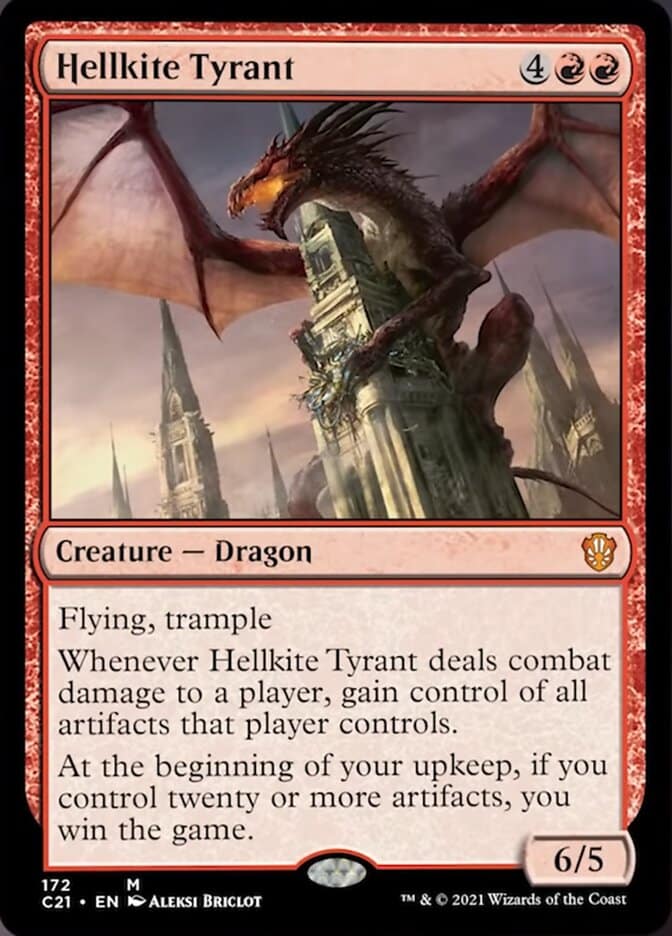


For our Izzet deck, a pretty common win condition is
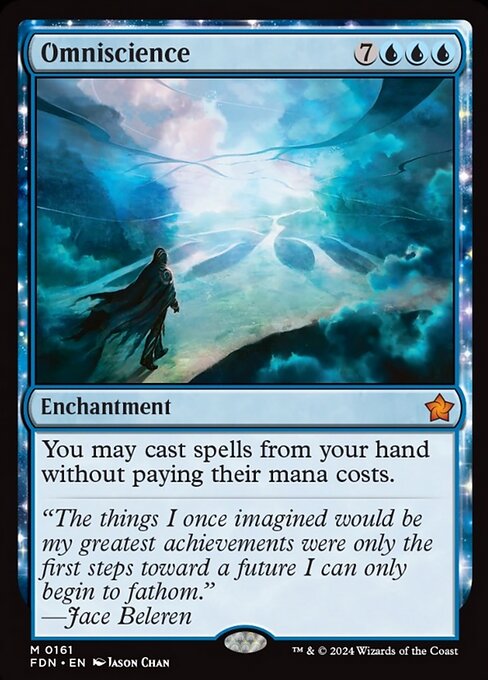
Omniscience
 Omniscience
You may cast spells from your hand without paying their mana costs.
,
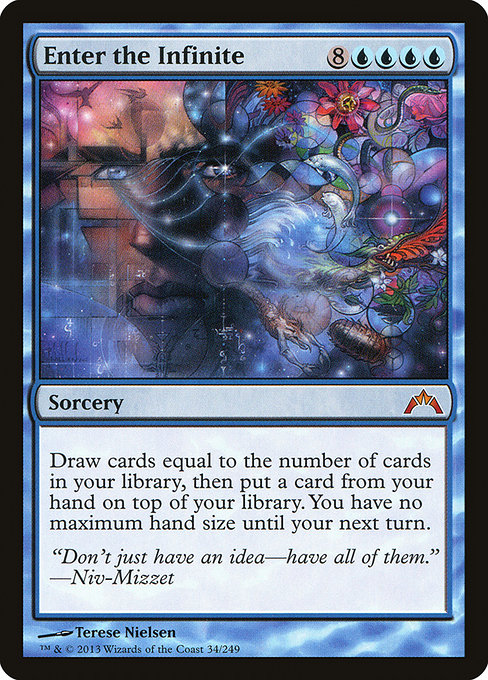
Enter the Infinite
Omniscience
You may cast spells from your hand without paying their mana costs.
,
Enter the Infinite
 Enter the Infinite
Draw cards equal to the number of cards in your library, then put a card from your hand on top of your library. You have no maximum hand size until your next turn.
, and
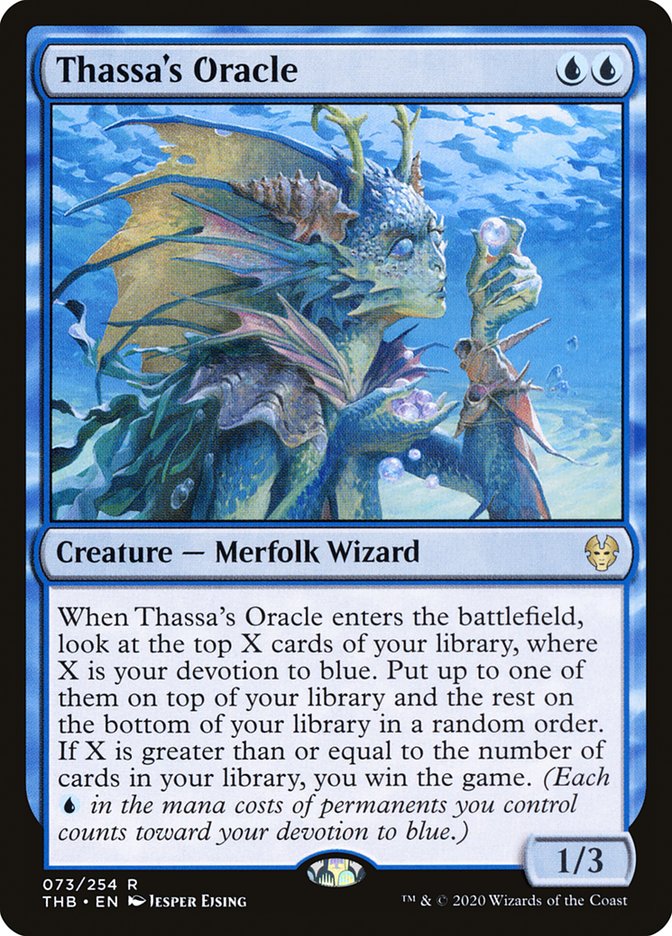
Thassa’s Oracle
Enter the Infinite
Draw cards equal to the number of cards in your library, then put a card from your hand on top of your library. You have no maximum hand size until your next turn.
, and
Thassa’s Oracle
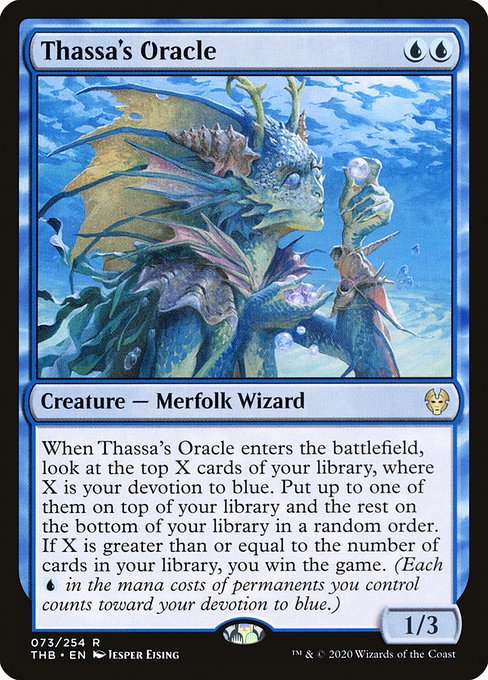 Thassa’s Oracle
When this creature enters, look at the top X cards of your library, where X is your devotion to blue. Put up to one of them on top of your library and the rest on the bottom of your library in a random order. If X is greater than or equal to the number of cards in your library, you win the game. (Each {U} in the mana costs of permanents you control counts toward your devotion to blue.)
. That’s probably the quickest way to win. You could also play something like
Crackle with Power
Thassa’s Oracle
When this creature enters, look at the top X cards of your library, where X is your devotion to blue. Put up to one of them on top of your library and the rest on the bottom of your library in a random order. If X is greater than or equal to the number of cards in your library, you win the game. (Each {U} in the mana costs of permanents you control counts toward your devotion to blue.)
. That’s probably the quickest way to win. You could also play something like
Crackle with Power
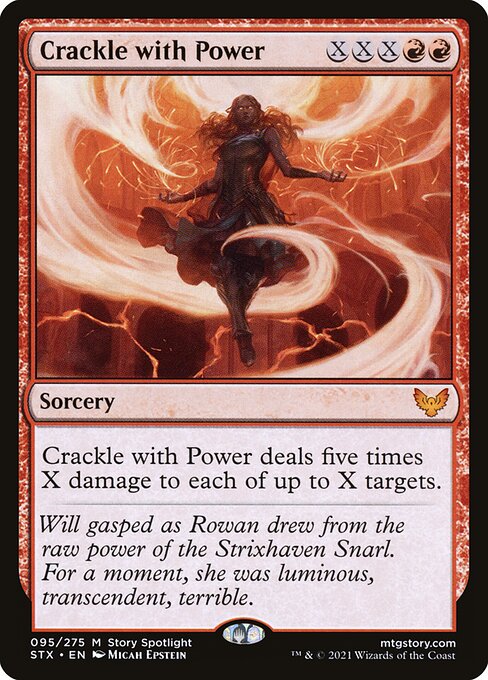 Crackle with Power
 deals five times X damage to each of up to X targets.
and multiple cheap copy effects to kill the table in one shot.
Crackle with Power
Crackle with Power deals five times X damage to each of up to X targets.
and multiple cheap copy effects to kill the table in one shot.
Hellkite Tyrant
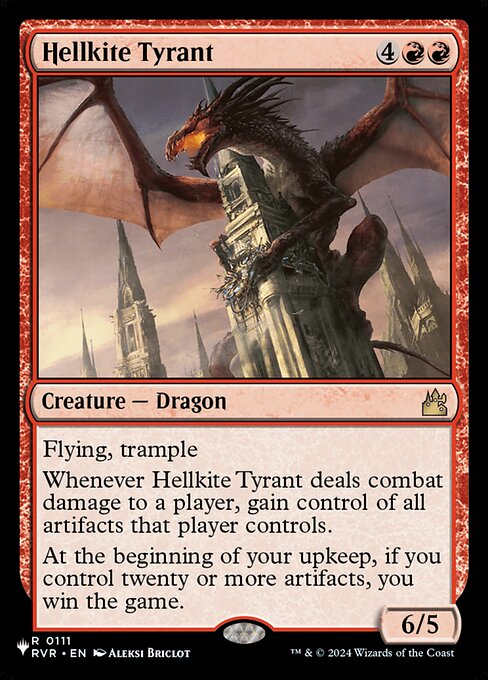 Hellkite Tyrant
Flying, trample
Hellkite Tyrant
Flying, trample
Whenever this creature deals combat damage to a player, gain control of all artifacts that player controls.
At the beginning of your upkeep, if you control twenty or more artifacts, you win the game.
has an artifact focused alternate win condition built in to it, and it plays well with various Extra Turn spells that we could play. Finally,
Mechanized Production
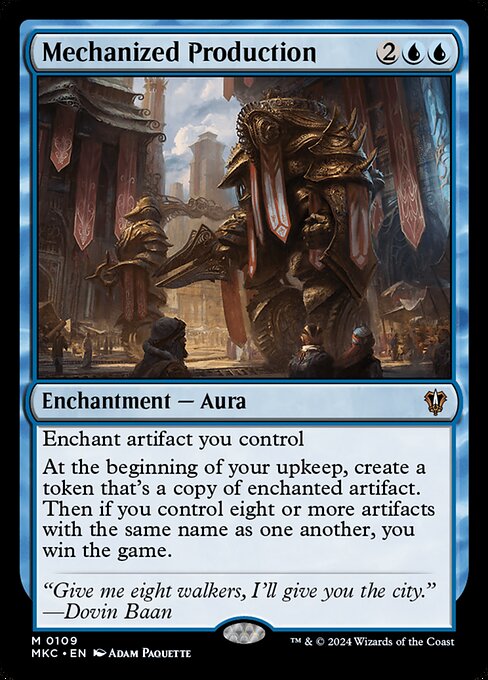 Mechanized Production
Enchant artifact you control
Mechanized Production
Enchant artifact you control
At the beginning of your upkeep, create a token that's a copy of enchanted artifact. Then if you control eight or more artifacts with the same name as one another, you win the game.
is basically the same thing, but it can happen a lot quicker.


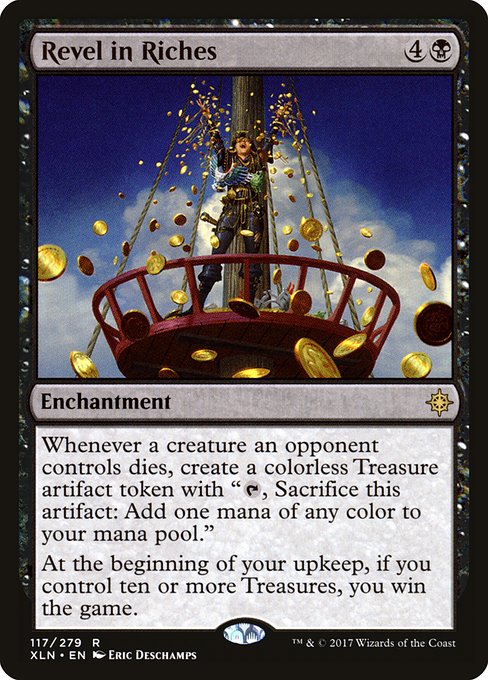
Black really only has 1 “I Win the Game” condition for this deck in
Revel in Riches
 Revel in Riches
Whenever a creature an opponent controls dies, create a Treasure token. (It's an artifact with "{T}, Sacrifice this token: Add one mana of any color.")
Revel in Riches
Whenever a creature an opponent controls dies, create a Treasure token. (It's an artifact with "{T}, Sacrifice this token: Add one mana of any color.")
At the beginning of your upkeep, if you control ten or more Treasures, you win the game.
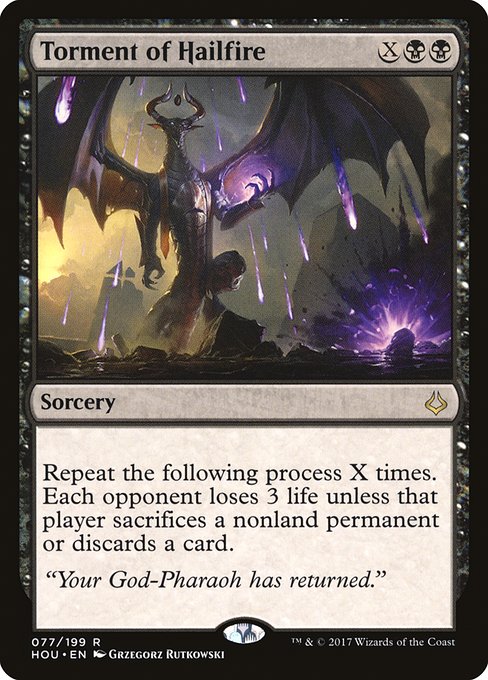
. You can also look at generating a bunch of mana with your treasures by sacrificing and reanimating Dockside Extortionist over and over again, and cast a MASSIVE
Torment of Hailfire
 Torment of Hailfire
Repeat the following process X times. Each opponent loses 3 life unless that player sacrifices a nonland permanent of their choice or discards a card.
to put the game away as well. Most likely if you’re playing the Rakdos or Jund versions of this deck, you’re probably winning through creature beats, or your playing Hellkite Tyrant.
Torment of Hailfire
Repeat the following process X times. Each opponent loses 3 life unless that player sacrifices a nonland permanent of their choice or discards a card.
to put the game away as well. Most likely if you’re playing the Rakdos or Jund versions of this deck, you’re probably winning through creature beats, or your playing Hellkite Tyrant.
READ MORE: New Secret Lair x MSCHF Drop Reveals a First for MTG
Whichever way you fancy, Treasures are a really fun deck to build. There’s a lot of different ways that you could take the deck and tons of great supporting cards out there. I’d definitely recommend EDHREC as a great resource for more card recommendations for when you go to build your Treasure deck.