



While Commander is by far the most popular multiplayer Magic format, it’s not the only option out there. In constructed, for example, you can dabble in the delights of Two-Headed Giant. There are also plenty of casual variants on the concept, too, Archenemy being perhaps the most prominent among them.
These formats are all excellent in their own right, but over the years one of the best has sadly been lost to time. That format is called Horde, and it leverages the MTG game engine to create a wholly unique experience. This week, thanks to an Instagram video from Rippullrepeat, players are starting to rediscover this hidden gem. If you’re looking for a more collaborative take on Magic for the festive season, this could be one to try out.
The MTG Horde Format
Horde as an MTG format dates all the way back to 2011, as the brainchild of then-R&D member Peter Knudson. In an article on Quiet Speculation that year, Knudson outlined the rules and philosophy behind Horde, calling it “a new way to play Magic.”
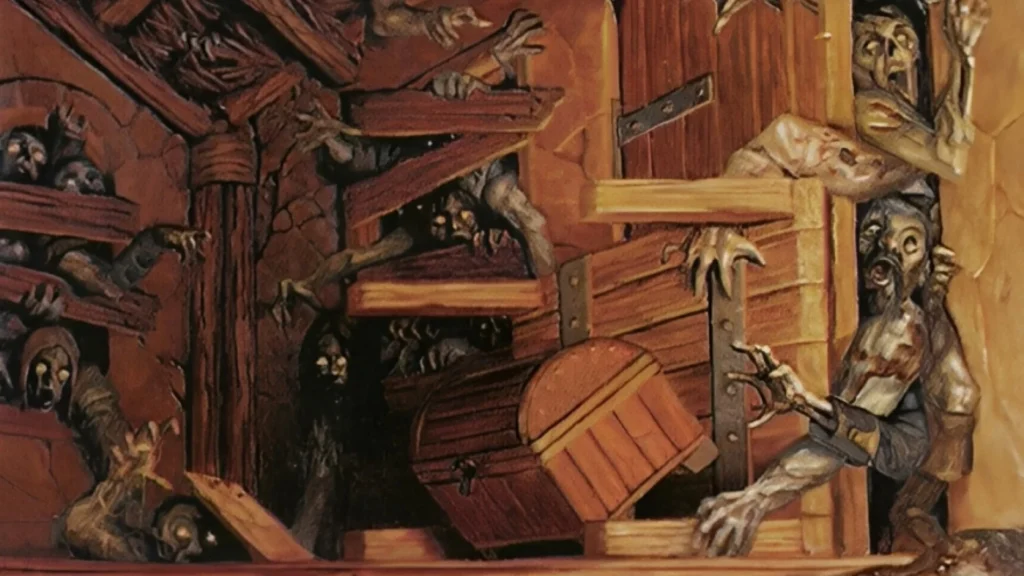
Horde is an Archenemy-style, 3v1 Magic experience. In it, three players, each using their own Commander deck, come together to take on a single Horde deck. The most interesting facet of the format is that this Horde deck isn’t piloted by an actual player. Instead, it runs automatically, revealing cards from the top of the deck each turn until it hits a nontoken card.
In Knudson’s original Horde deck, 60 of the 100 cards are Zombie tokens, which are put into play immediately when revealed. These tokens also gain Haste and must attack each turn if able. Nontoken cards are cast as if the Horde has infinite mana.
The Horde wins the game if it manages to reduce the players’ collective life total of 60 down to zero. The players win if they manage to outlast the Horde, getting the game to a state where the Horde deck is empty, and there are no tokens in play. Dealing damage to the Horde causes it to mill that many cards, which can speed up this process. It’s still a tall order, mind you, so the players get three turns of setup before the Horde gets a turn.
These rules come together to create a convincing zombie apocalypse scenario for Magic players to enjoy. It’s also a fun alternative way to use Commander decks, which Knudson notes as an aim of the format in his article.
Building A Boss
While it’s very much a niche casual format, Horde has a lot of fans out there in the MTG community. The Horde Magic website, for example, features a bunch of decklists and information on the format. Someone at Wizards is clearly a fan of it, too, since the Battle the Horde event run during Born of the Gods Game Day in 2014 drew inspiration from the format.
If you want to give Horde a go, you’ll need to start by building a Horde deck. This is an intriguing puzzle in itself, since you need to find 40 cards that function fine without a player to control them. You also need to find a thematic through-line with your tokens. Knudson’s original list nails the zombie apocalypse theme, but there are plenty of other options available. You can swap out the Zombie tokens for Goblins and lean hard into typal synergies, for example. Alternatively, you can go for a farmyard theme with a range of different Animal tokens.
If you’re strapped for time, you can even play Horde without a deck. Thanks to the Against the Horde app, you can run games of Horde with just three Commander decks. This makes it easy to test the format out, and is another great example of the small yet strong community that exists around it.
Horde makes a great addition to your shelf as a “Magic-based board game” kind of experience. If you’re tired of traditional Commander, this could be what you need to spice things up.
Stick with us here at mtgrocks.com: the best site for Magic: The Gathering coverage. Be sure to check out our deckbuilder for your next big brew!