



Day one of the Magic World Championship 31 has now concluded, and it’s safe to say that MTG Avatar has had a major impact on the Standard metagame. Badgermole Cub decks are super popular, and Izzet Lessons has broken out in a big way.
While the dominance of these decks is a bit concerning, there’s still room for players to innovate and find success with other strategies. In fact, MTG pro player Ben Stark managed to make day two, winning three of his four Standard matches with a unique Golgari Dragons shell! This deck has a lot going in its favor in the current metagame, even though it isn’t a heavily adopted archetype.
Dragon Package
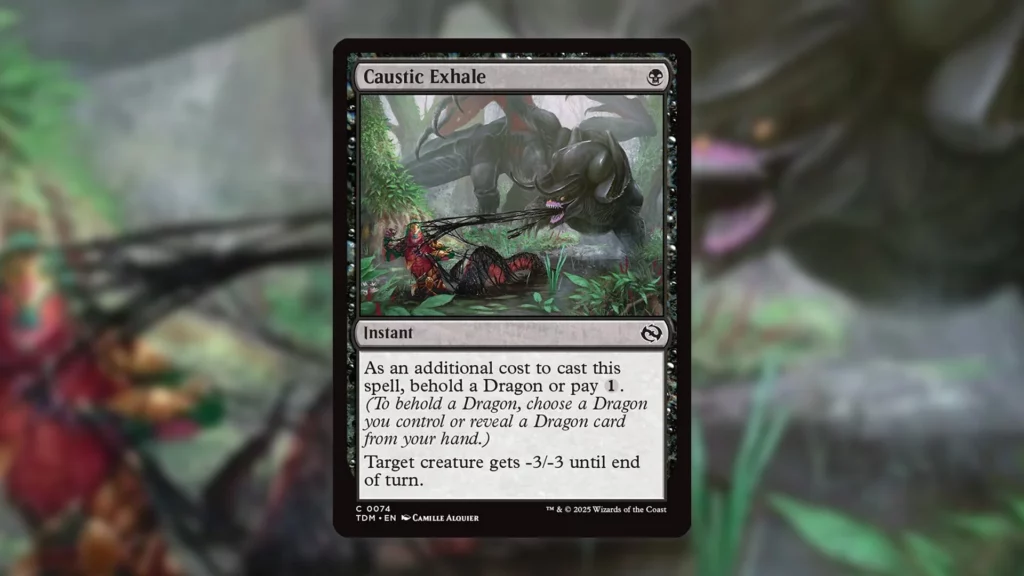
At its core, this Golgari Dragons deck is built to win grindy games. The goal is to utilize a wealth of interactive elements to buy you time, then use your Dragon creatures and other threats to turn the corner. While it may seem a bit strange to incorporate a Dragon package given the wealth of non-Dragon midrange powerhouses available in Standard, the reward of enabling Caustic Exhale is absolutely massive.
With Badgermole Cub being as prevalent as it is, players are highly incentivized to play efficient removal options. As versatile as the two-mana black options like Shoot the Sheriff are, they are a bit slow on the draw. Sadly, the one mana options aren’t amazing either, since they can fall off pretty quickly.
Stab, for instance, fails to kill many threats like Ouroboroid, Enduring Vitality, and Duelist of the Mind. Tragic Trajectory, meanwhile, is only a sorcery, so it can’t effectively deal with Valley Floodcaller. Caustic Exhale, however, gives you the best of both worlds, allowing this deck to actually compete and remove threats effectively.
With a total of nine main deck Dragons, you should have no problem Beholding a Dragon most of the time. Because all nine of your Dragons double as decent Omen spells, they also provide a ton of flexibility themselves depending on the matchup.
When playing against go-wide decks like Simic Aggro, for instance, casting the Exude Toxin half of Scavenger Regent has a lot of appeal. Alternatively, the 4/4 flyer lines up well against the Izzet decks and helps you turn the corner. Getting to pivot between playing reactively or proactively, depending on the matchup, is a huge luxury in the current Standard environment.
Ramping to Glory
Still, even with the dual casting options in mind, these Dragons are a bit on the clunky side as threats. To get the most out of them, this deck makes use of a handful of ramp spells. The more mana you have to work with, the easier it is to play creatures to the board while still having mana left over to hold up Caustic Exhale or Bitter Triumph.
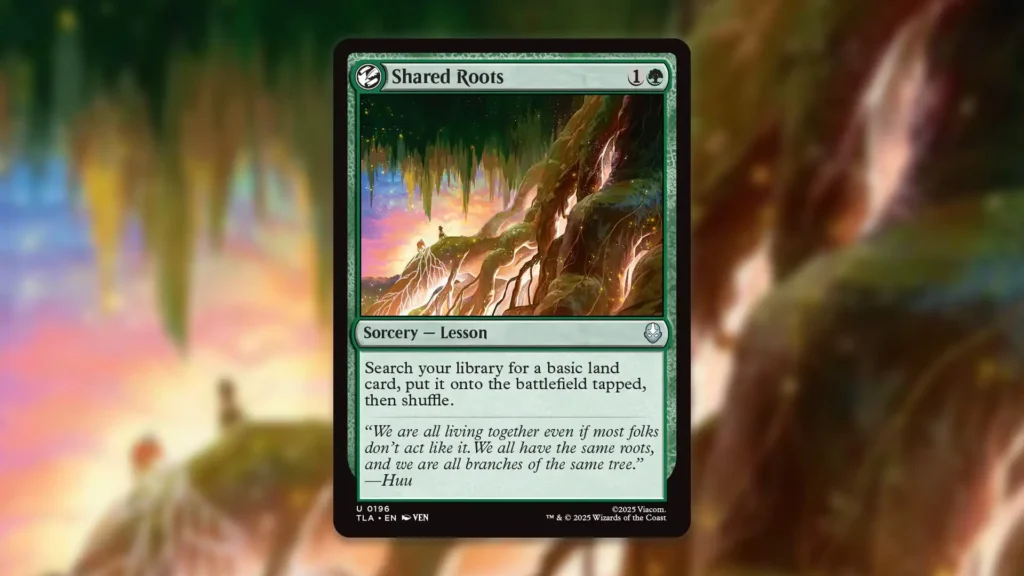
By far your strongest ramp option is Shared Roots. Even with no Lesson synergies present, the simple addition of a Rampant Growth effect to this style of archetype is a big deal. Some of your elite proactive plays cost four mana, and Shared Roots sets them up a turn ahead of schedule.
Interestingly, your best four-drop option isn’t even a Dragon. That honor goes to Icetill Explorer, which, in conjunction with Fabled Passage, gives you a surplus of mana to work with in short order. The self-Mill aspect of the powerful Insect then helps fuel Urgent Necropsy. On top of this, a full playset of Esper Origins helps to Mill over and Flashback, so you have plenty of ways spend your excess mana.
Between Esper Origins and Bloomvine Regent, you have enough solid tools to help stabilize versus Mono-Red Aggro. Of course, Bloomvine Regent’s Omen half has value as a ramp spell itself, especially if you have a powerful five-drop like Overlord of the Balemurk to set up. With so many angles of attack, Golgari Dragons is quite difficult to hate out.
An Intriguing Position

Given this deck’s slew of interaction, including three sideboard copies of Day of Black Sun and a playset of Scavenger Regent in the main deck, it’s clear that beating Simic Aggro was a priority. As it turns out, Izzet Lessons ended up being the most-played deck at the World Championship. Fortunately, this deck’s range of beefy, value-generating threats lines up reasonably well in the matchup.
Given how wildly different the game plans of these archetypes are, the fact that Golgari Dragons has game in both matchups makes it worth watching moving forward. Ben Stark bested both decks as well as Orzhov Demons during his day one run, putting the versatility of Golgari Dragons on full display.
This isn’t to say that Golgari Dragons doesn’t have some major weaknesses. The deck’s inability to apply early pressure, for instance, can come back to bite you versus Jeskai Control. As good as Golgari Dragons is in attrition battles, fighting through a bunch of copies of Stock Up and Consult the Star Charts is tough. Once your Jeskai opponent finds Jeskai Revalation, you’re in a world of trouble. Nonetheless, seeing a deck as unique as Golgari Dragons succeed in a sea of blue decks is encouraging, and we look forward to watching the Standard format continue to evolve over time.
Stick with us here at mtgrocks.com: the best site for Magic: The Gathering coverage. Be sure to check out our deckbuilder for your next big brew!