



Up until recently, many players considered Pioneer a dead Magic: the Gathering format. But Wizards of the Coast announced the return of Pro Tours and the first one will feature Pioneer. This reinvigorated players’ interest in the format.
If you haven’t been keeping up with Pioneer, you may need a brief breakdown of the metagame. I’ll cover several of the format’s most prevalent decks in this article, plus showcase a few extra fun options.
The Pioneer Metagame
Looking at Pioneer’s metagame, there is a diverse range of decks with every type of strategy being well-represented. There are strong options for control, midrange, aggro, and combo players.

Let’s break down a few of the most popular decks in Pioneer!
Azorius Control


This is your traditional control strategy that uses counterspells and board wipes to keep the battlefield clear before landing a tricky threat such as
Teferi, Hero of Dominaria
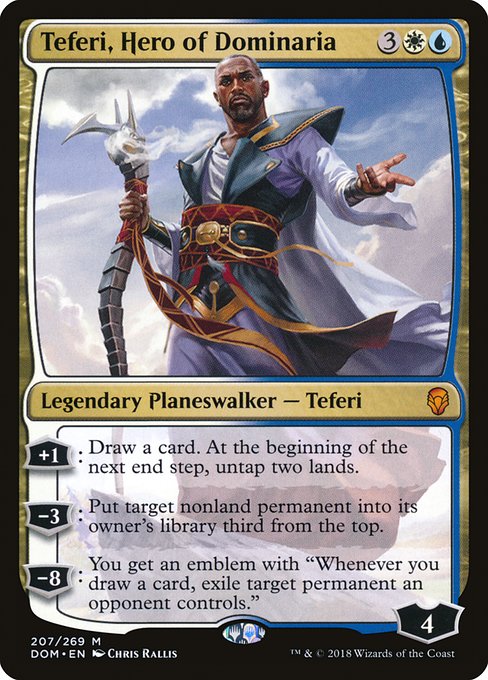 Teferi, Hero of Dominaria
+1: Draw a card. At the beginning of the next end step, untap up to two lands.
Teferi, Hero of Dominaria
+1: Draw a card. At the beginning of the next end step, untap up to two lands.
−3: Put target nonland permanent into its owner's library third from the top.
−8: You get an emblem with "Whenever you draw a card, exile target permanent an opponent controls."
, or Shark Typhoon.
You can pass your turn with mana open and leave your opponent guessing as to whether you have
Absorb
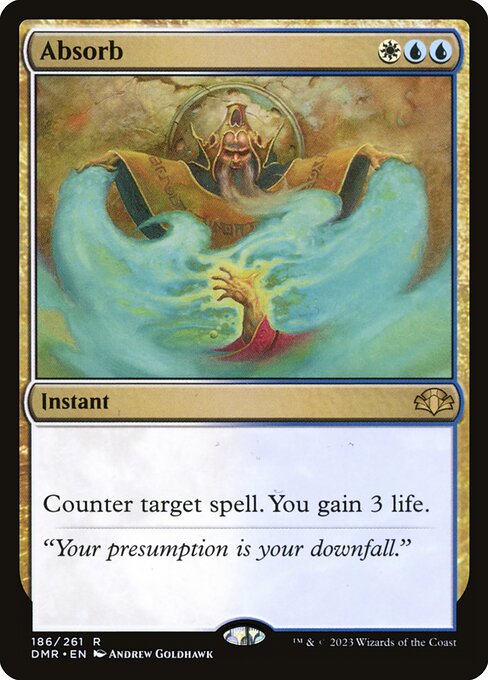 Absorb
Counter target spell. You gain 3 life.
,
Memory Deluge
Absorb
Counter target spell. You gain 3 life.
,
Memory Deluge
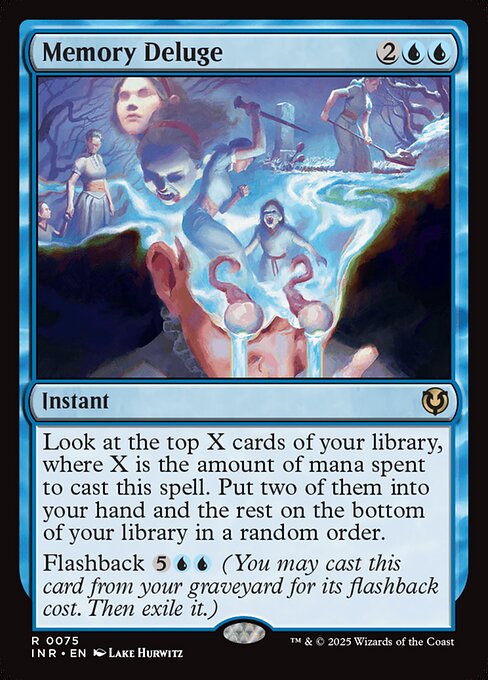 Memory Deluge
Look at the top X cards of your library, where X is the amount of mana spent to cast this spell. Put two of them into your hand and the rest on the bottom of your library in a random order.
Memory Deluge
Look at the top X cards of your library, where X is the amount of mana spent to cast this spell. Put two of them into your hand and the rest on the bottom of your library in a random order.
Flashback {5}{U}{U} (You may cast this card from your graveyard for its flashback cost. Then exile it.)
, or the new addition, The Wandering Emperor.
Read More: Jeez! This MTG Standard Card is Getting Ridiculously Expensive
Winota Midrange


This deck puts explosive amounts of power on the battlefield. It does this by ramping into Winota with
Elvish Mystic
 Elvish Mystic
{T}: Add {G}.
and Prosperous Innkeeper, attacking with a field full of non-Human creatures, and using Winota to “cheat” big threats into play such as Tovolar’s Huntmaster.
Elvish Mystic
{T}: Add {G}.
and Prosperous Innkeeper, attacking with a field full of non-Human creatures, and using Winota to “cheat” big threats into play such as Tovolar’s Huntmaster.
Read More: What’s the Best Birthing Pod Commander in MTG?
Hidden Strings Combo


This all-in combo deck uses its namesake card, Hidden Strings, and
Vizier of Tumbling Sands
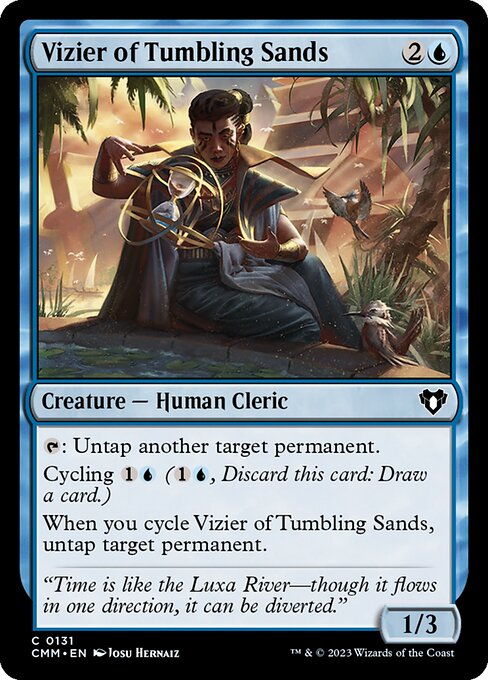 Vizier of Tumbling Sands
{T}: Untap another target permanent.
Vizier of Tumbling Sands
{T}: Untap another target permanent.
Cycling {1}{U} ({1}{U}, Discard this card: Draw a card.)
When you cycle this card, untap target permanent.
to untap Lotus Field multiple times in a turn, making a ton of mana to cast Emergent Ultimatum.
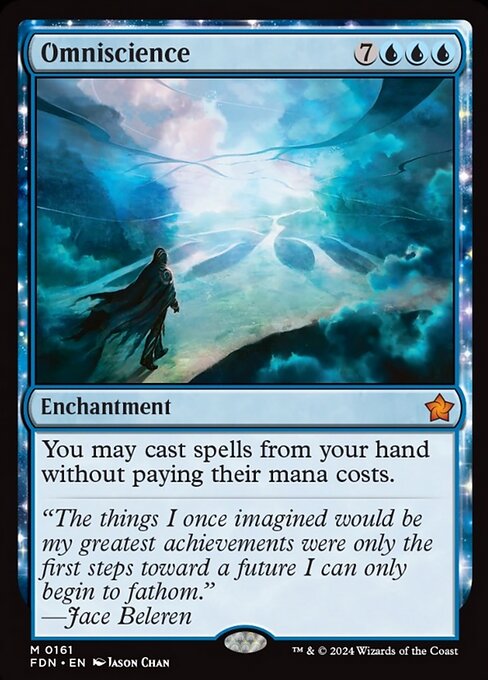
The goal of casting Emergent Ultimatum is to put an
Omniscience
 Omniscience
You may cast spells from your hand without paying their mana costs.
into play, allowing you to cast all your spells for free. From here, you can win by casting
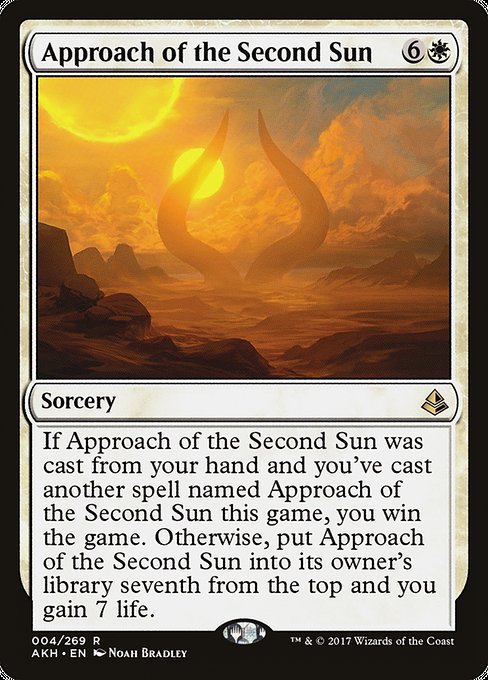
Approach of the Second Sun
Omniscience
You may cast spells from your hand without paying their mana costs.
into play, allowing you to cast all your spells for free. From here, you can win by casting
Approach of the Second Sun
 Approach of the Second Sun
If this spell was cast from your hand and you've cast another spell named Approach of the Second Sun this game, you win the game. Otherwise, put Approach of the Second Sun into its owner's library seventh from the top and you gain 7 life.
twice in one turn.
Approach of the Second Sun
If this spell was cast from your hand and you've cast another spell named Approach of the Second Sun this game, you win the game. Otherwise, put Approach of the Second Sun into its owner's library seventh from the top and you gain 7 life.
twice in one turn.
Read More: Is This the Most Fun or Most HATED Commander in MTG?
Mono-Red Aggro


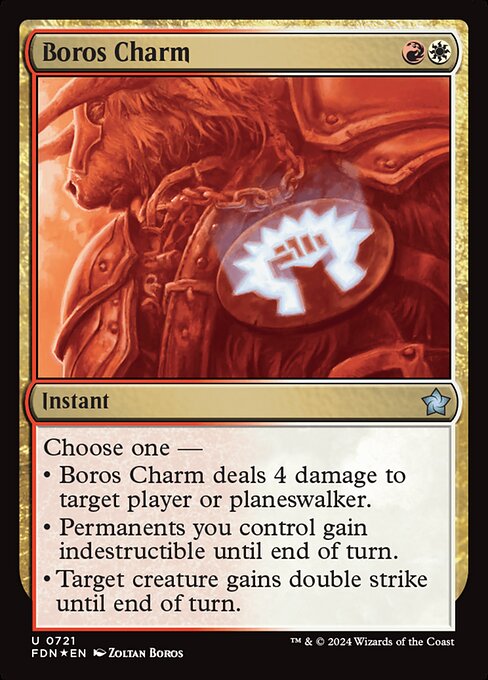
This is Pioneer’s version of the typical Modern Burn deck. It will occasionally splash white for
Boros Charm
 Boros Charm
Choose one —
Boros Charm
Choose one —
• Boros Charm deals 4 damage to target player or planeswalker.
• Permanents you control gain indestructible until end of turn.
• Target creature gains double strike until end of turn.
and white sideboard options.
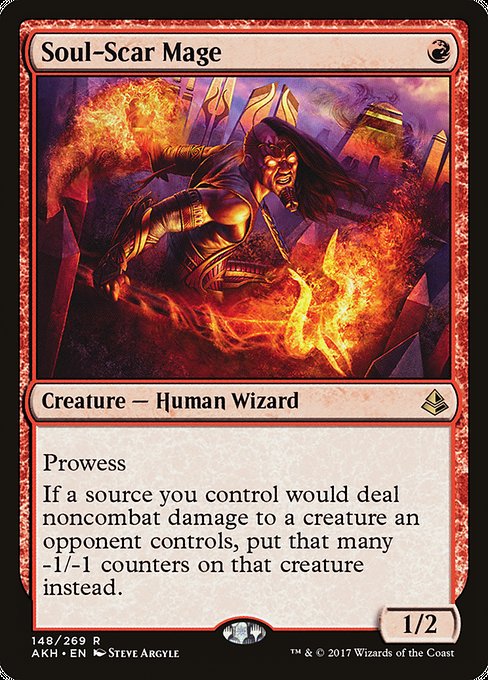
But for the most part, Red-based aggressive decks aim to play efficient prowess creatures like Monastery Swiftspear and
Soul-Scar Mage
 Soul-Scar Mage
Prowess
Soul-Scar Mage
Prowess
If a source you control would deal noncombat damage to a creature an opponent controls, put that many -1/-1 counters on that creature instead.
and boost their stats with burn spells such as
Play with Fire
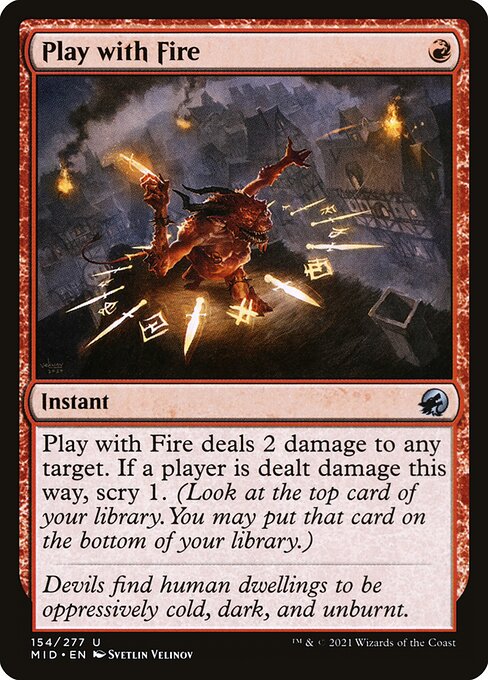 Play with Fire
 deals 2 damage to any target. If a player is dealt damage this way, scry 1. (Look at the top card of your library. You may put that card on the bottom.)
and Skkewer the Critics.
Play with Fire
Play with Fire deals 2 damage to any target. If a player is dealt damage this way, scry 1. (Look at the top card of your library. You may put that card on the bottom.)
and Skkewer the Critics.
Chandra is a difficult-to-answer threat that provides card advantage, ramp, and direct damage to your opponent. And Eidolon is a classic Burn card that taxes your opponent’s life total whenever they play cards that cost three or fewer mana.
Read More: WOTC Spoils Insane New Mechanic on New Capenna Commander
Other Pioneer Strategies


Niv-Mizzet Reborn is a midrange deck that plays spells of every color pairing. The legendary dragon can dig through the top of your deck and draw
Dreadbore
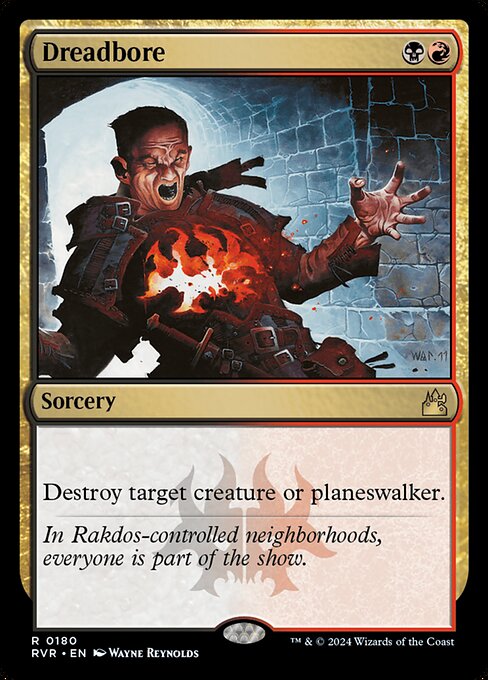 Dreadbore
Destroy target creature or planeswalker.
,
The Scarab God
Dreadbore
Destroy target creature or planeswalker.
,
The Scarab God
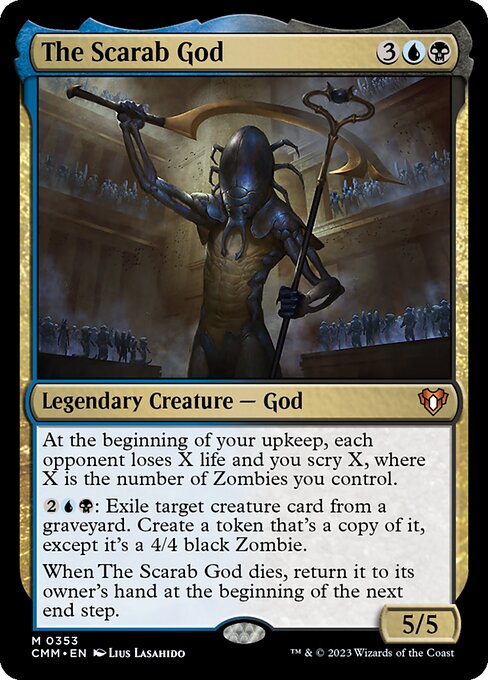 The Scarab God
At the beginning of your upkeep, each opponent loses X life and you scry X, where X is the number of Zombies you control.
The Scarab God
At the beginning of your upkeep, each opponent loses X life and you scry X, where X is the number of Zombies you control.
{2}{U}{B}: Exile target creature card from a graveyard. Create a token that's a copy of it, except it's a 4/4 black Zombie.
When The Scarab God dies, return it to its owner's hand at the beginning of the next end step.
, and
Bring to Light
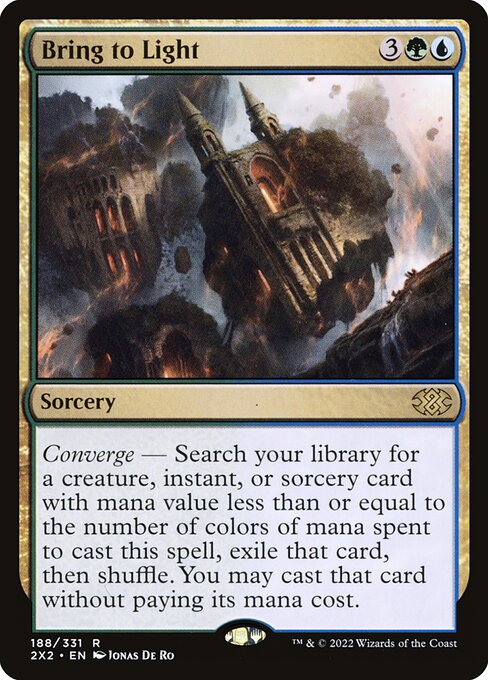 Bring to Light
Converge — Search your library for a creature, instant, or sorcery card with mana value less than or equal to the number of colors of mana spent to cast this spell, exile that card, then shuffle. You may cast that card without paying its mana cost.
.
Bring to Light
Converge — Search your library for a creature, instant, or sorcery card with mana value less than or equal to the number of colors of mana spent to cast this spell, exile that card, then shuffle. You may cast that card without paying its mana cost.
.
Fires of Invention was banned in Standard but it is still legal in Pioneer. This is another five-color deck that aims to
Transmogrify
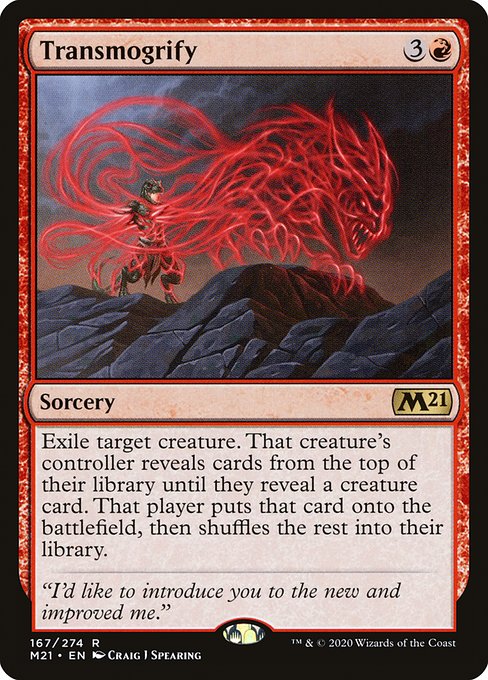 Transmogrify
Exile target creature. That creature's controller reveals cards from the top of their library until they reveal a creature card. That player puts that card onto the battlefield, then shuffles the rest into their library.
creature tokens into Angent of Treachery.
Transmogrify
Exile target creature. That creature's controller reveals cards from the top of their library until they reveal a creature card. That player puts that card onto the battlefield, then shuffles the rest into their library.
creature tokens into Angent of Treachery.
Izzet Phoenix decks play a high density of instants and sorceries to reanimate Arclight Phoenix from the graveyard or transform
Thing in the Ice
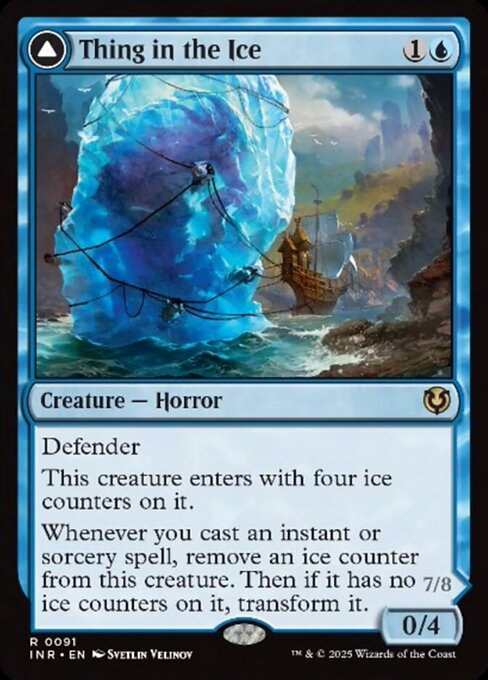 Thing in the Ice
Defender
Thing in the Ice
Defender
This creature enters with four ice counters on it.
Whenever you cast an instant or sorcery spell, remove an ice counter from this creature. Then if it has no ice counters on it, transform it.
.